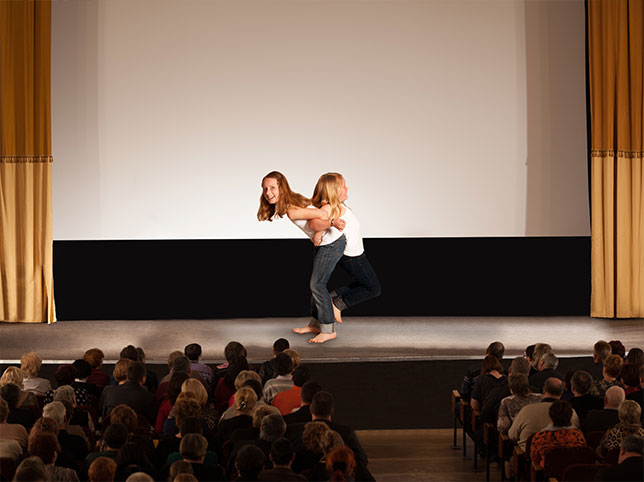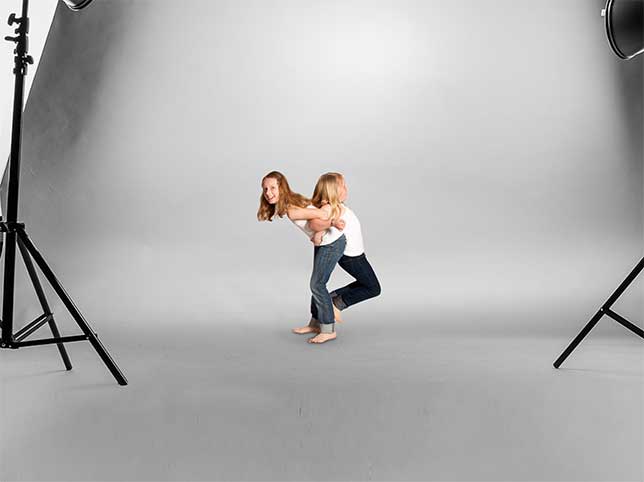
Professional Image Masking Services
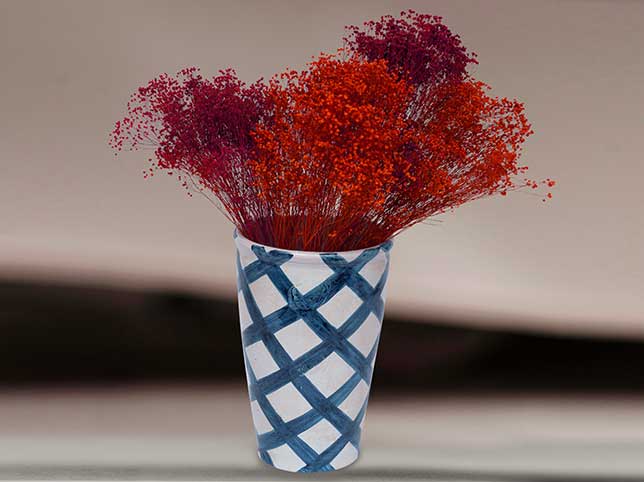
Professional image masking and photo retouching for edges a path cannot cut, from $0.60 an image. A clipping path stops working the moment an edge stops being solid. Hair, fur, lace, smoke and glass need masking, where transparency is preserved pixel by pixel instead of cut away — hand-built from $0.60 an image, within 24 hours. Pixel Retouching has built masks by hand since 2014, from ISO-certified studios in Singapore and Dhaka.
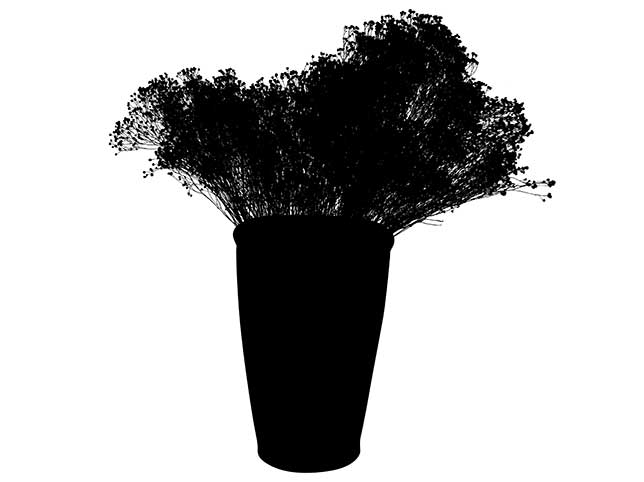
Hover to see before
3 images masked free. No credit card, no sign-up.
Trusted by Fashion Brands, Studios & Retailers
Apparel labels, product photographers and retailers send us the images a clipping path cannot handle and get clean, transparent cut-outs back the next working day.
What Is Image Masking?
Separating a subject from its background by transparency rather than by outline, so semi-transparent and fine-detailed edges survive the cut instead of being clipped off.
Where paths run out
A pen path is a hard edge. It works on a box and fails on hair, fur, mesh, lace, smoke and glass, all of which are partly transparent at the boundary.
Per-pixel transparency
A mask stores how transparent every pixel is, not just whether it is in or out. That is what lets a strand of hair keep a soft edge over a new background.
Channel and alpha work
Difficult subjects are extracted from the colour channel with the strongest separation, then refined by hand rather than left to an automatic tool.
Any background afterwards
Once a proper mask exists the subject can sit on white, a brand colour, a gradient or a lifestyle scene, without redoing the cut-out each time.
How Our Image Masking Service Works
Four steps from raw frames to listing-ready files, with no account setup in between.
Send your files
JPEG, PNG, TIFF, PSD or RAW by upload link, Dropbox, Google Drive, WeTransfer or FTP.
Manual masking
A named retoucher builds the mask by hand, choosing the technique the subject actually needs.
Quality control
A second editor checks the mask over a contrasting background, where fringing shows up.
Delivery
Transparent PNG plus the layered PSD within 24 hours. Revisions are unlimited.
Types of Image Masking We Provide
The technique is chosen per subject, not per category. Drag any slider to see the real file, before and after.
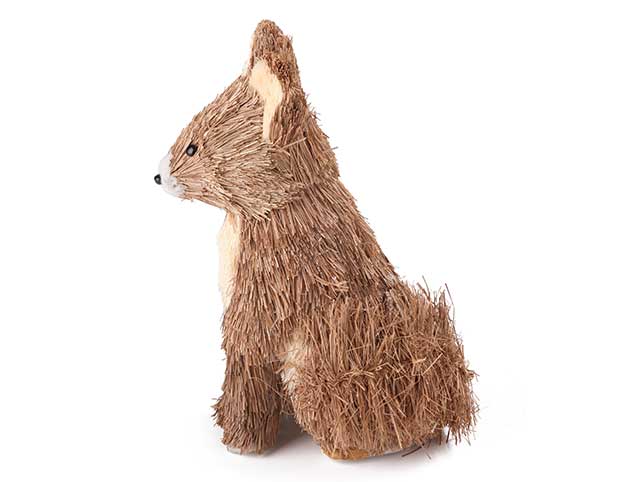
Hair & Fur Masking
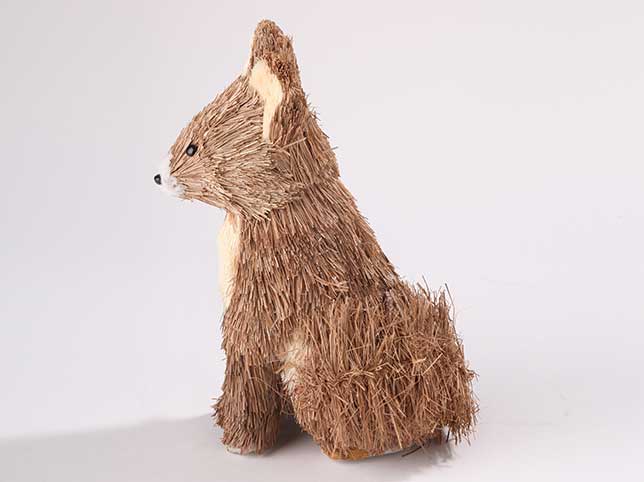
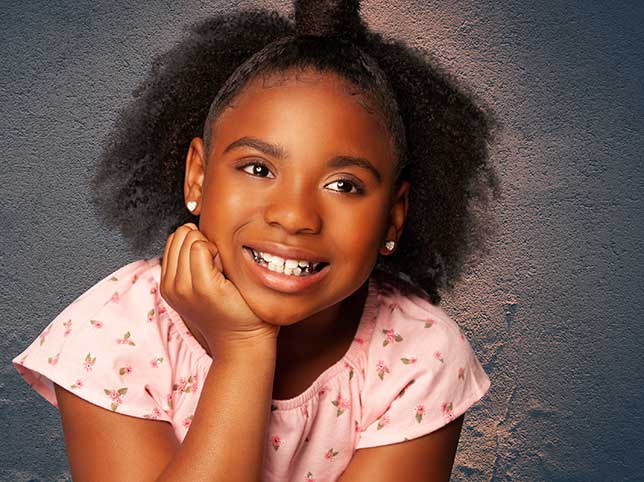
The case masking exists for. Individual strands are retained with soft, believable edges, and colour contamination from the old background is cleaned out of the fringe so hair does not carry a halo onto the new one.
- Individual strands retained
- Old background colour decontaminated
- No halo on any backdrop
- Model, pet and fur product shots
Transparent Object Masking
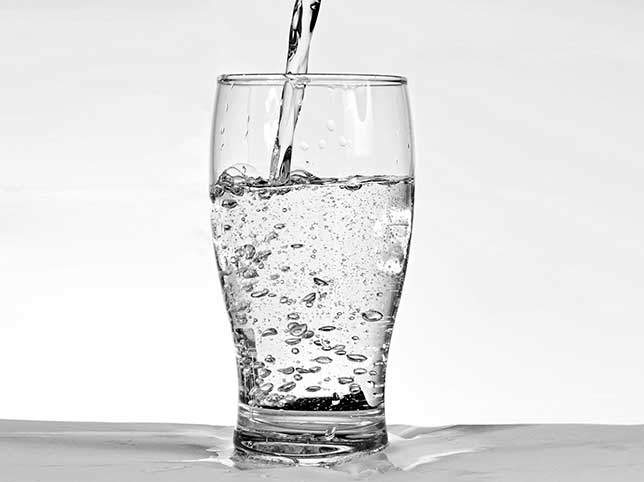
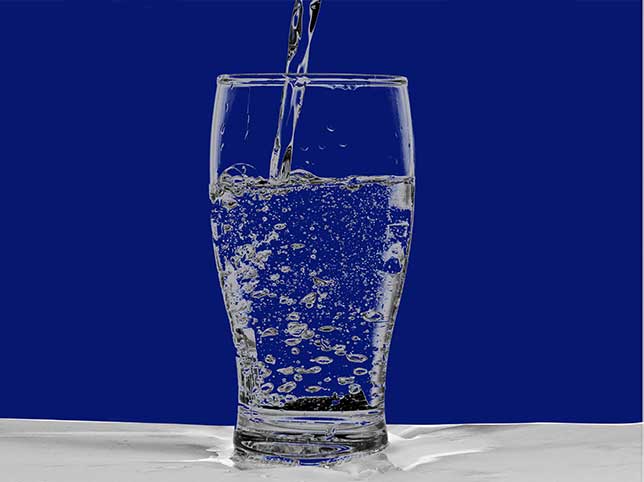
Glass, acrylic, bottles, jewellery stones and anything you can see through, kept genuinely transparent so a new background shows correctly through the object rather than stopping at its outline.
- Background visible through glass
- Reflections and refraction kept
- Bottles, glassware, acrylic
- Gemstones and crystal
Layer Masking
Non-destructive masks built on their own layers so your team can adjust the edge, feather it further or reuse the extraction later without coming back to us.
- Non-destructive and editable
- Named layers in the PSD
- Adjustable after delivery
- Reusable across campaigns
Alpha Channel Masking
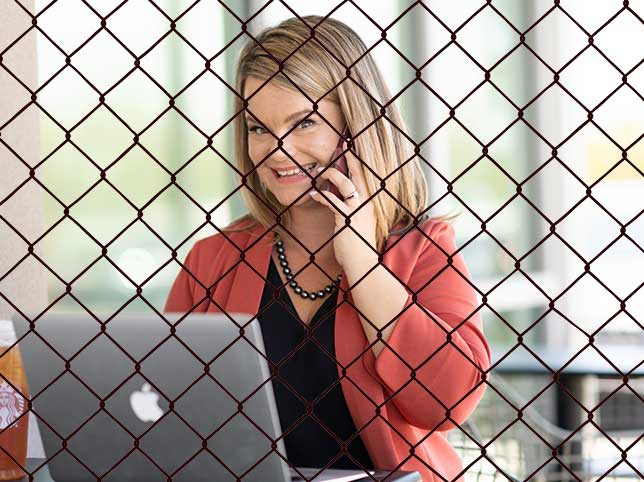
Extraction driven from the colour channel with the strongest subject separation, then refined by hand. The most reliable route for fine detail against a busy or low-contrast background.
- Channel with best separation used
- Refined by hand afterwards
- Works on low-contrast edges
- Fine mesh, netting and grilles
Collage & Composite Masking
Multiple masked subjects combined into one image, with edges, lighting direction and colour temperature matched so the composite does not read as pasted together.
- Several subjects combined
- Edge and lighting matched
- Shadows built to suit the scene
- Banners and campaign artwork
Soft & Translucent Fabric Masking
Lace, chiffon, tulle, mesh and sheer panels kept semi-transparent, which matters most on lingerie, swimwear and bridal where the fabric is the product.
- Lace, chiffon, tulle and mesh
- Sheer panels stay see-through
- Lingerie, swimwear, bridal
- Weave visible at listing zoom
Subjects That Need Masking, Not a Path
If the edge of your subject is soft, fine or see-through, a clipping path will visibly fail on it. There are six reasons that happens, and which one you have decides the technique and the price.
Hair and fur: thousands of edges, none of them a line
Loose strands, flyaway hair and animal fur have no single outline to follow — the edge is hundreds of individual fibres, each partly covered by whatever is behind them. Channel masking separates them on the contrast that already exists in the file rather than by drawing round them. The tell of a bad job is a halo of the old background left in the hair, or a fringe cut flat like a helmet.
Glass and liquid: the background belongs inside the subject
A clear bottle breaks the assumption every cut-out rests on, which is that what is behind the subject can be deleted. Here it is visible through the subject and has to be replaced behind the glass while the glass stays transparent, so the new background shows through at the right density. Splashes, ice and steam are the same problem with a moving edge.
Stones and crystal: refraction is not transparency
Faceted stones do not simply let light through, they bend it, so what is visible inside a gem is a distorted version of its surroundings. Masked as though it were glass, a diamond goes dead. The internal reflections and the fire have to be kept as they were captured while the outer edge is separated, which is why gemstone work is quoted above the standard masking rate.
Open weave and sheer fabric: half-transparent at the edge
Knitwear, lace, mesh and chiffon are solid in the middle and progressively transparent towards the boundary, so any hard outline either eats the fringe or leaves a rim of old background in it. Alpha masking treats that transition as a gradient rather than a line, which is what keeps a lace panel sheer instead of turning it into a grey shape.
Smoke, steam and soft volumes: no edge at all
Smoke, steam, spray and shadow-heavy natural forms have no boundary to find, only a fade. These are the cases where the honest answer is sometimes that the element should be rebuilt rather than extracted, and we say which one we are proposing before starting rather than quietly compositing something that will not match your background.
Grilles, mesh and foliage: the gaps are the subject
Wire racks, netting, perforated metal and dense planting are technically hard-edged, which makes them look like a path job right up until you count the holes. Every gap has to come out separately or the new background does not appear through them, and doing that by hand at path level is slower than masking it, so these go through masking on cost grounds as much as quality.
Who Uses Our Image Masking Services
Anyone whose catalogue contains subjects a pen path cannot cut out cleanly. What differs is what they need the extraction to do next.
Catalogues with a difficult minority
Most retailers do not need masking on most of their range. They need it on the twenty per cent that a path visibly fails on — the knitwear, the glassware, the one product photographed against a busy set — and they need those to come back matching the eighty per cent that went through as ordinary cut-outs. Mixed batches are normal; tell us which is which or let us sort them.
Photographers: extraction you cannot bill for
Masking is the part of a commercial job that takes hours and cannot be charged as creative time. Handing it over returns the hours without the client seeing a change in who did the work: files come back unbranded in your naming convention, and we are not credited in your delivery.
Agencies building composites
Composite artwork needs elements that will sit on any background the designer later chooses, which is a higher bar than a cut-out that only has to work on white. Delivered as layered files with the mask intact rather than flattened, so the extraction can be adjusted in your own workflow instead of being sent back to us.
Print and publishing: the mask has to survive the press
Print exposes a soft extraction in a way a screen forgives — a fringe that is invisible at web size shows on a printed page, and transparency has to be resolved before separation rather than left to the RIP. Layered files and print-resolution masters are supplied alongside the web set, from the same extraction.
Anyone re-backgrounding an existing library
Replacing the background across imagery that already exists is the most common reason masking gets ordered at volume, and the hardest constraint is that the originals were shot by different people under different lights. The extraction is the easy half; matching what goes behind them so the set reads as one catalogue is the work.
Why a Bad Cut-Out Is Obvious
Extraction quality is the most visible sign of whether imagery was done properly, and buyers notice it without knowing why.
Halos give it away instantly
A pale fringe around dark hair is the classic signature of a cut-out done with the wrong tool. It appears the moment the subject is placed on a different background.
Hard edges on soft subjects look fake
A knitted jumper with a razor-sharp outline reads as a sticker. The eye expects softness where the material is soft, even at thumbnail size.
Transparency has to survive
A glass bottle cut out as a solid shape looks like a plastic prop. Keeping the background visible through it is what makes the product read as glass.
One good mask is reusable forever
A proper layered mask can be dropped onto any background for any campaign. A flattened cut-out has to be redone every time the backdrop changes.
Our Masking Workflow
The same four stages run on a three-image trial and a four-thousand-image catalogue.
-
01
Assessment
The edge is examined and the right masking technique chosen for it.
-
02
Masking
Built by hand, with the fringe decontaminated of old background colour.
-
03
Quality control
Checked over a contrasting background, where fringing shows.
-
04
Delivery
Transparent PNG plus layered PSD by link or FTP within 24 hours.
Before & After Gallery
Real client files, grouped by masking type. Drag any slider to compare.
Image Masking Pricing, per Image
Starting rates for standard complexity. Send a sample and we confirm the exact price before any work begins.
Glass and acrylic with genuine see-through transparency.
Ten images or more. Send a sample and we quote the whole batch upfront.
Bulk orders of 10+ images qualify for discounted pricing, and 100+ for up to 50% off.
Frequently Asked Questions
Prices and turnaround on this page were last reviewed in August 2026.
What is the difference between masking and a clipping path?
A clipping path is a hard vector outline — a pixel is either in or out. A mask stores partial transparency per pixel, so soft and see-through edges survive. Use a path for a box, a mask for hair, fur, glass, lace or smoke.
Can you mask hair without leaving a halo?
Yes, and avoiding the halo is the real work. Strands are extracted at the boundary and the fringe is decontaminated of colour picked up from the old background, so hair sits cleanly on white, black or a photographic scene.
Can you keep glass and bottles transparent?
Yes. Transparent subjects are masked so a new background shows through the object rather than stopping at its outline, with reflections and refraction preserved so it still reads as glass.
Will I get a layered PSD?
Yes, on request, and we recommend it. A layered mask can be adjusted, feathered further or reused on any future background by your own team, without ordering the extraction again.
What formats do you deliver?
Transparent PNG as standard, plus the layered PSD, and flattened JPEG or TIFF on any background colour you specify. Print work is supplied CMYK-ready alongside the web set.
Can you mask semi-transparent fabrics?
Yes. Lace, chiffon, tulle, mesh and sheer panels stay semi-transparent, which matters most for lingerie, swimwear and bridal where the fabric itself is what is being sold.
Do you use automatic or AI selection tools?
No. Automatic selection is exactly what produces the halos and hard edges this service exists to avoid. Every mask is built and refined by hand by a named retoucher.
How do you price masking work?
By edge difficulty rather than product category. A simple soft edge with good contrast is basic; hair, fur, glass and low-contrast fine detail are priced higher. Send a sample and we will tell you the tier before you order.
Can you handle bulk masking orders?
Yes. Capacity runs to 8,000 images a day, and the same edge standard is held across the whole batch, so a catalogue does not vary halfway through.
What is your turnaround time?
Standard turnaround is 24 hours for most orders, and 24–48 hours for hair, fur and transparency work at volume. For large projects we agree a delivery timeline upfront and meet it.
Is there a minimum order?
No. You can send a single image, or start with the free trial of three. There is no minimum quantity and no sign-up required.
What if the edge is not clean enough?
Unlimited free revisions are included. Tell us where the mask is failing — usually a specific area of the fringe — and we rebuild it until it holds up on your background.
Related Photo Editing Services
Masking is ordered alongside clipping path work for mixed catalogues, and with apparel and jewellery editing where soft and transparent edges are the norm.
Start Your Free Image Masking Trial
Send three of your hardest edges — hair, glass or lace — and judge the extraction before you commit. No credit card, no sign-up, no obligation.