High-End Photo Retouching Services
Professional photo enhancement and retouching services, from $0.50 an image. Underexposed, soft, noisy, badly white-balanced or simply old — most photographs have more in them than they show. We recover what the file already holds rather than inventing it, by hand in Photoshop, from $0.50 an image within 24 hours.
Hover to see before
3 images enhanced free. No credit card, no sign-up.
Trusted by Brands, Studios & Publishers
Retailers, photographers, property marketers and publishers send us the frames that did not quite work and get usable images back the next working day.
What Is Photo Enhancement?
The corrective layer beneath every other edit: exposure, contrast, colour, sharpness and noise brought to where they should have been in camera, before any retouching happens on top.
Exposure & dynamic range
Shadows opened and highlights pulled back from the original data, so detail returns instead of grey mush where the file was clipped.
Colour & white balance
Casts from mixed or artificial lighting neutralised and colour brought back to what the eye saw at the time.
Sharpness & noise
Detail recovered and grain reduced separately, because sharpening a noisy file just makes the noise sharp.
Recovered, not invented
We work the data the file already holds. Upscalers that hallucinate detail produce images that fall apart the moment anyone zooms in.
How Our Photo Enhancement Service Works
Four steps from raw frames to listing-ready files, with no account setup in between.
Send your files
RAW, JPEG, PNG or TIFF by upload link, Dropbox, Google Drive, WeTransfer or straight to your FTP.
Manual enhancement
A named editor corrects exposure, colour, sharpness and noise by hand, working from RAW where you have it.
Quality control
A second editor checks the result at full size and against the rest of the batch for consistency.
Delivery
Files return within 24 hours in the formats and sizes you need. Revisions are unlimited.
Photo Enhancement Services We Offer
From a straight technical correction to full restoration of a damaged print. Drag any slider to see the real file, before and after.
Digital Image Enhancement
The core correction: exposure, contrast, white balance, saturation, sharpness and noise brought to a clean, consistent baseline. Everything else on this page is built on top of it.
- Exposure and contrast corrected
- White balance and casts fixed
- Sharpness recovered, noise reduced
- Consistent baseline across a batch
Product & eCommerce Enhancement
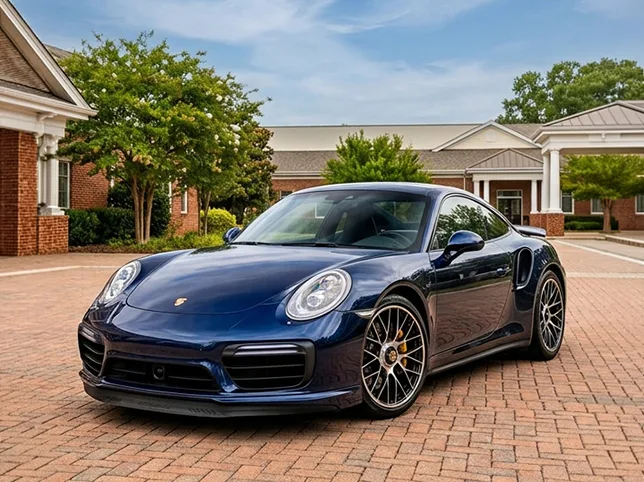
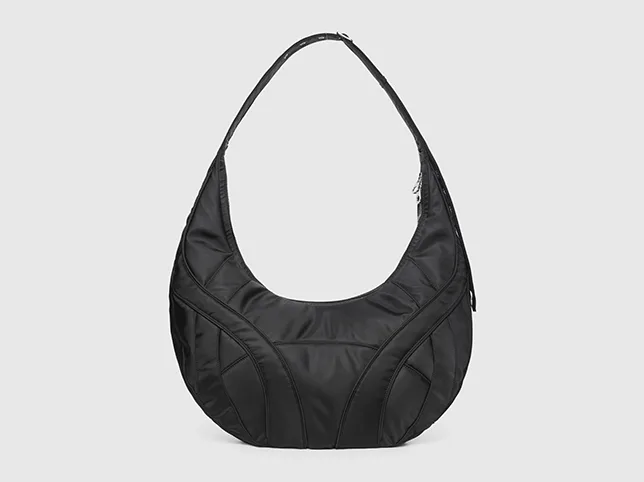
Listing images brought to marketplace standard: clean whites, true product colour, crisp detail at zoom and consistent brightness across a whole category page.
- True product colour
- Clean, even whites
- Detail crisp at listing zoom
- Consistent across the catalogue
Real Estate & Interior Enhancement
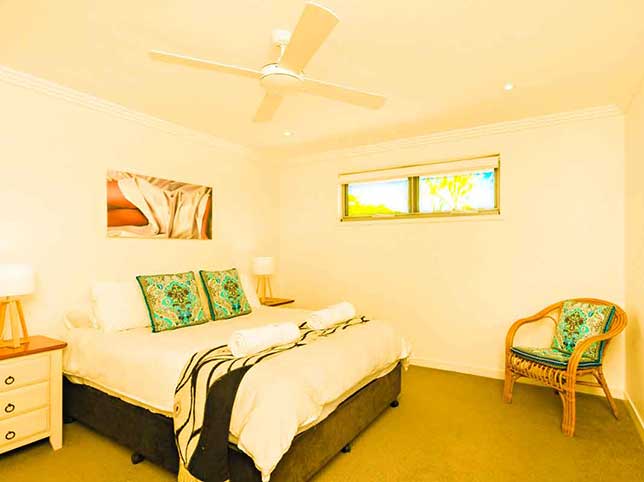
Bracketed exposures merged, interiors brightened without going flat, windows recovered and verticals straightened so a room reads the way it does in person.
- HDR bracket merging
- Window pulls and flash blends
- Verticals and perspective corrected
- Rooms bright, never flat
Portrait & Wedding Enhancement
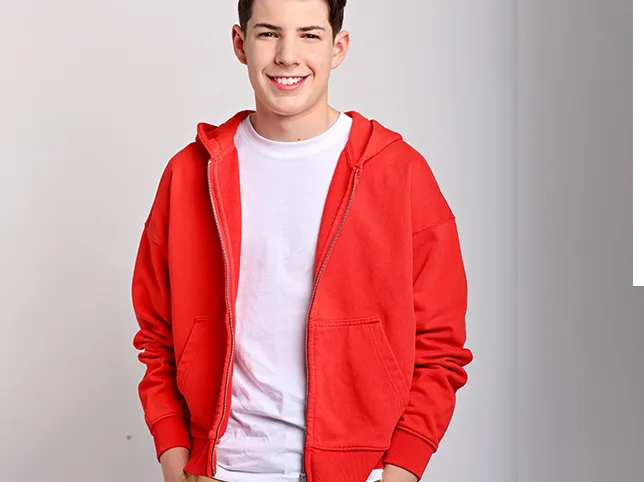
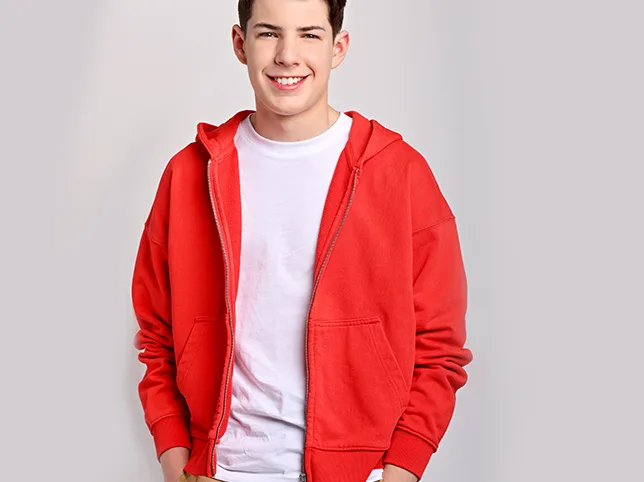
Skin tone corrected, mixed venue lighting reconciled and a consistent look applied across a whole gallery, with retouching kept as light or as full as you ask for.
- Skin tones corrected naturally
- Mixed venue lighting reconciled
- Whole galleries matched
- Retouching to your brief
Old & Damaged Photo Restoration
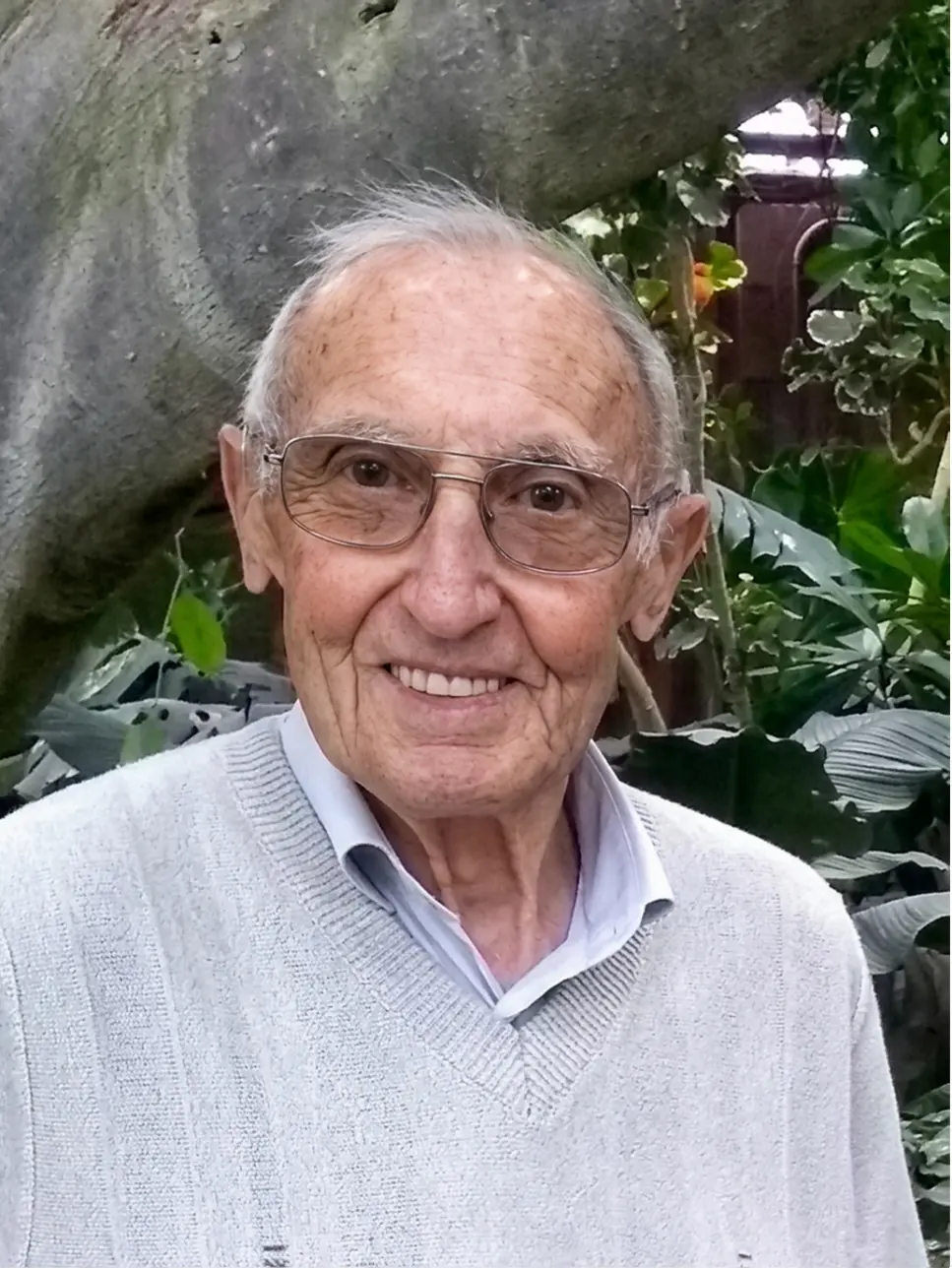
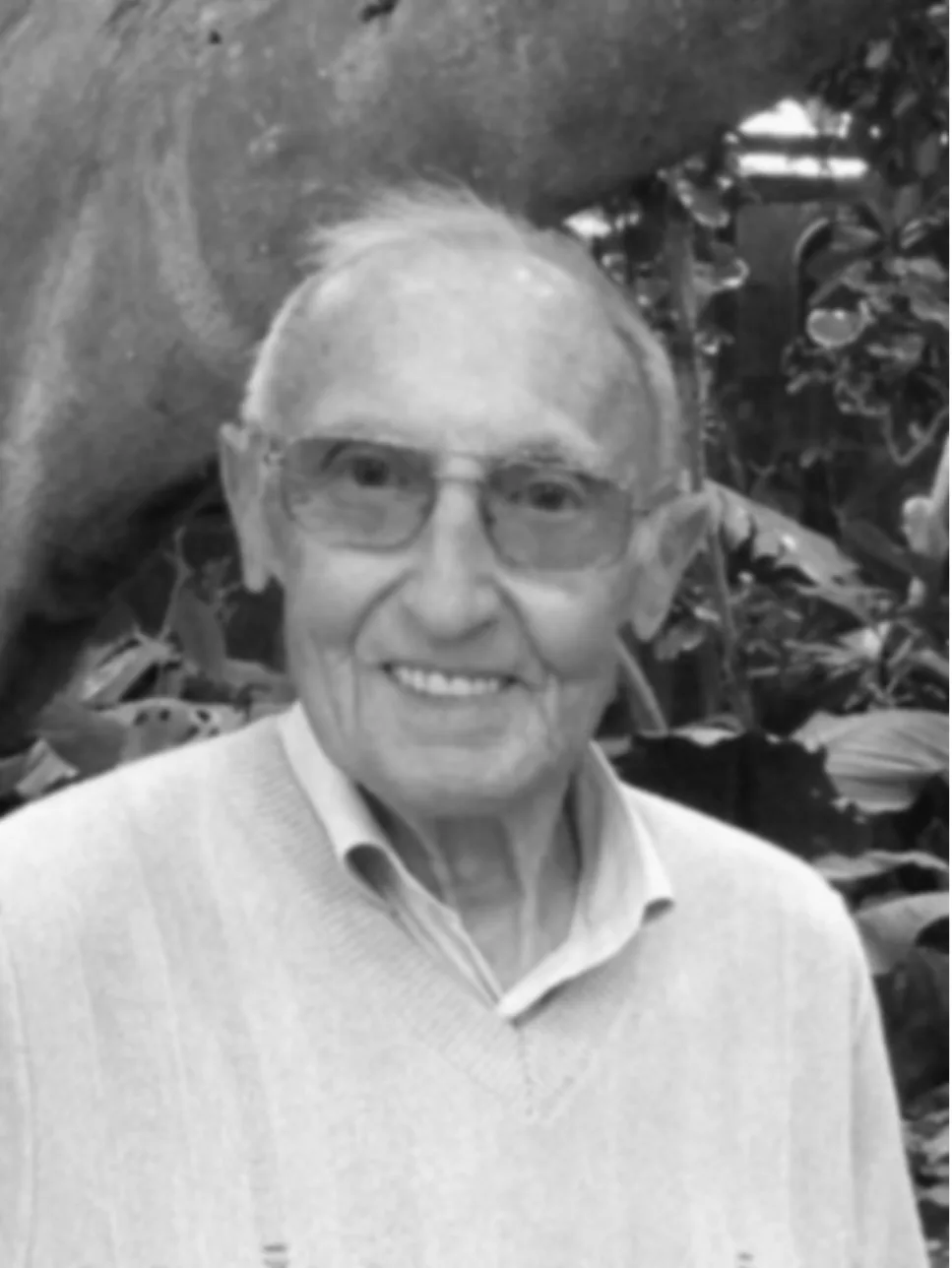
Cracks, tears, creases, stains, fading and water damage repaired on scanned prints, with black and white colourisation available where you want it.
- Cracks, tears and creases repaired
- Fading and discolouration reversed
- Water and mould damage removed
- Black and white to colour
Advanced Retouching & Manipulation
Where correction is not enough: object and person removal, background reconstruction, composites and campaign-grade finishing.
- Object and person removal
- Background reconstruction
- Composites built to brief
- Print and web masters
Image Problems We Correct
Most images arrive with one or two of these. They are grouped by how far the recovery actually goes, because that is the question worth answering before you send a batch — and for two of the six the honest answer is sometimes that it does not. Harsh direct flash, digital noise and a badly composed frame all come in too; they are handled inside these groups rather than needing their own.
Underexposure: recoverable, up to the noise floor
Shadows can be opened as far as there is signal underneath them, and no further. What limits it is not the software but how much noise came up with the detail: a raw file two stops under recovers cleanly, a JPEG four stops under recovers into mush. We lift, denoise the shadows separately from the rest of the frame, and tell you when the ceiling has been reached rather than pushing past it.
Blown highlights: recoverable only where data survives
A highlight that is merely bright comes back. A highlight where all three channels have clipped contains nothing to come back — there is no detail stored there to recover, and anything that appears has been painted in. Partial clipping, where one or two channels survive, is the common case and does reconstruct. We tell you which of the three you have.
Colour casts and mixed lighting: almost always fixable
A single cast from tungsten, fluorescent or shade is straightforward. Mixed lighting is the harder version and the more common one: daylight through a window on one side of the room and warm bulbs on the other cannot be neutralised with one adjustment, so the frame is corrected in areas. This is the most reliable recovery on the list and usually the one that changes an image most.
Flat, foggy and over-compressed files
Low contrast, haze and the blocking and banding that come from a heavily compressed file are all cases of a frame carrying less information than it should. Contrast is rebuilt without crushing the shadows to black, and compression artefacts are cleaned rather than sharpened, which is what makes an over-compressed file worse the moment it is treated like a soft one.
Softness and motion blur: partly, and often not
Apparent sharpness can be improved; focus that was missed cannot be added, and motion blur can only be reduced where the movement is small and in one direction. This is the honest limit on the page: sharpening a genuinely soft frame produces halos and crunch, which looks worse than the original at any size above a thumbnail. We say which of yours are recoverable before doing the batch.
Age, fading and low resolution
Scanned prints and old files lose density and colour in predictable ways, and that much is reversible. Resolution is not: enlargement for print is done carefully, but nothing invents detail the scan did not capture, and we would rather print smaller than upscale into something that looks like a painting of the photograph.
Industries and Professionals We Serve
Anyone whose images have to work harder than the conditions they were shot in allowed. What differs is what the corrected image has to do next.
Photographers: the frames you cannot reshoot
Every shoot produces a few frames that matter and are technically wrong — the one moment that happened while the settings were still from the last setup. Enhancement is what makes those deliverable, and the second job is matching them to the rest of the gallery so the rescued frame does not announce itself.
Property and interiors: brackets and windows
Interior photography is an exposure problem before it is anything else: the room and the view through the window are several stops apart, and one exposure cannot hold both. Brackets are merged, verticals straightened and the window recovered, at listing volume and to an overnight turnaround.
Retail catalogues: one standard, many photographers
Catalogue imagery arrives shot at different times, in different rooms, sometimes by suppliers rather than by you. Correcting each to look good individually is not the job; correcting them to agree with each other is, and the reference is your own site rather than the original file.
Technical and industrial photography
Factory floors, machinery and site photography are shot in whatever light exists, usually mixed fluorescent and daylight, often handheld. The requirement is legibility rather than beauty: the part has to be identifiable and the colour has to be honest, because these images end up in manuals and tenders.
Family and archival collections
Prints, slides and albums that exist in one copy. The work is stabilising what has faded and repairing what is damaged, and the discipline is knowing when to stop — a restored photograph should still look like a photograph of that day, not a modern image of the same people.
Why Enhancement Comes First
Every other edit inherits whatever the base image is doing. Correct it last and you correct it twice.
Retouching a bad base wastes the work
Retouching skin in an image with a green cast means redoing it once the cast is fixed. Correction has to come first or it is paid for twice.
Consistency is set at this stage
A catalogue looks uniform because every file was brought to the same exposure and colour baseline, not because each was retouched to taste.
Recovery beats replacement
A frame with a real problem can usually be corrected for a fraction of a reshoot — and for archival or one-off images there is no reshoot to compare against.
Detail is what survives the zoom
Sharpness and noise handled properly are what let an image hold up when a buyer enlarges it, which is exactly when the purchase decision is made.
Our Enhancement Workflow
The same four stages run on a three-image trial and a four-thousand-image catalogue.
-
01
Assessment
The file is checked for what is genuinely recoverable before work starts.
-
02
Correction
Exposure, colour, sharpness and noise corrected by hand, from RAW where available.
-
03
Quality control
Second editor checks at full size and against the rest of the batch.
-
04
Delivery
Exported to your formats and sizes, by link or FTP, within 24 hours.
Photo Enhancement Pricing, per Image
Starting rates for standard complexity. Send a sample and we confirm the exact price before any work begins.
Listing images brought to marketplace colour and clarity standards.
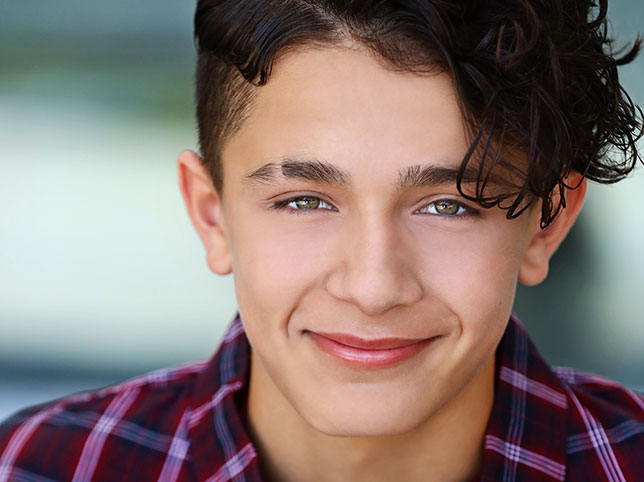
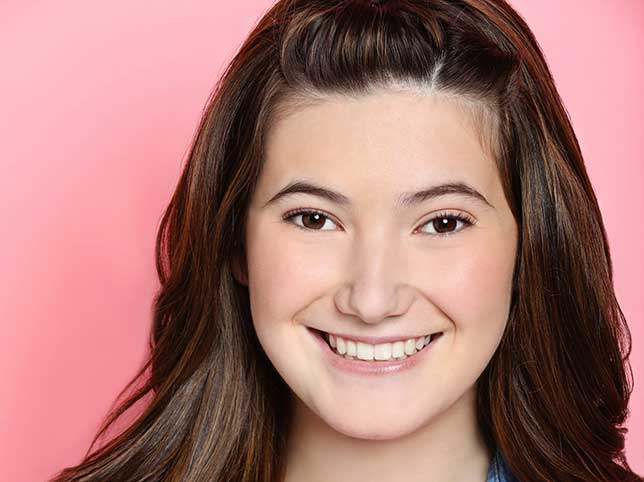
Skin tone, colour and light retouching finished naturally.
Bracket merging, window pulls and interior balancing.
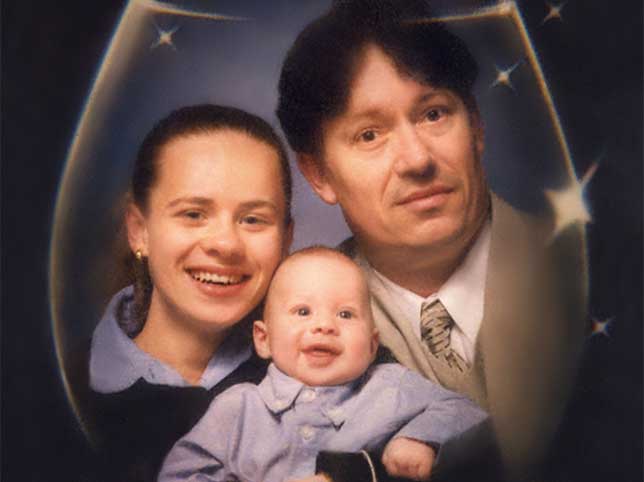
Cracks, tears, stains and fading repaired on scanned prints.
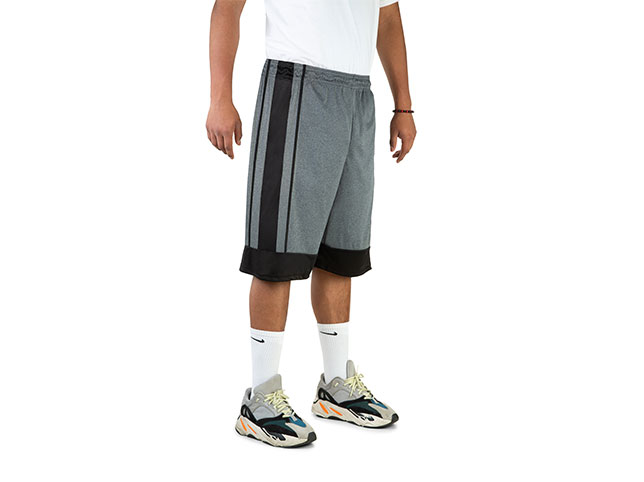
Bulk orders of 10+ images qualify for discounted pricing, and 100+ for up to 50% off.
Frequently Asked Questions
Prices and turnaround on this page were last reviewed in August 2026.
What file formats do you accept?
RAW from any camera, plus JPEG, PNG, TIFF and PSD. Scanned prints are accepted as JPEG or TIFF — scan at the highest resolution you can, because restoration quality is limited by what the scan captured.
Do you edit RAW files?
Yes, from any camera, and it produces a noticeably better result. A RAW file holds far more recoverable highlight and shadow data than an exported JPEG, so send RAW whenever you have it.
What is your typical turnaround time?
Standard turnaround is 24 hours for most orders. Real estate bracket merging and heavy restoration typically take 24–48 hours. For large batches we agree a delivery timeline upfront and meet it.
Can I request a specific style?
Yes. Send reference images, brand guidelines or a set of your own finished work, and your look is recorded as a style guide and applied to every batch that follows.
Can you handle bulk orders?
Yes. Capacity runs to 8,000 images a day, and the correction baseline is recorded per account so a batch delivered months later still matches the first one.
What if I am not satisfied with the result?
Unlimited free revisions are included with every order. Tell us what is not right and we keep working until it is. If revisions still do not resolve the issue, a money-back guarantee applies.
Can you fix a blurry or out-of-focus photo?
Partly, and we will tell you honestly which it is. Apparent sharpness can be improved considerably on a slightly soft image. Detail that the sensor never recorded cannot be recovered, and we will not fabricate it.
Can you enlarge a low-resolution image for print?
Yes, within reason. Careful enlargement holds up well for moderate size increases. We do not use generative upscalers that invent detail, because the result falls apart on close inspection and is unusable for print.
Can you restore torn or water-damaged photographs?
Yes. Cracks, tears, creases, stains, mould marks, fading and water damage are all repairable on a decent scan. Send the scan and we will tell you what is achievable before you order.
Can you colourise black and white photographs?
Yes. Colourisation is done by hand with historically plausible tones, and if you can tell us the real colours of clothing or surroundings the result is far more convincing.
Is there a minimum order?
No. You can send a single image, or start with the free trial of three. There is no minimum quantity and no sign-up required.
Are my images kept confidential?
Yes. Files are treated as confidential by default, stored securely, and never used in our portfolio or marketing without written permission. We will sign your NDA on request.
Related Photo Editing Services
Enhancement is the correction layer under everything else, so it is most often ordered alongside product editing, real estate work and portrait retouching.
Start Your Free Photo Enhancement Trial
Send three images — ideally the difficult ones — and see what is recoverable before you commit to anything. No credit card, no sign-up, no obligation.