Photo Editing & Retouching for Vintage Resellers
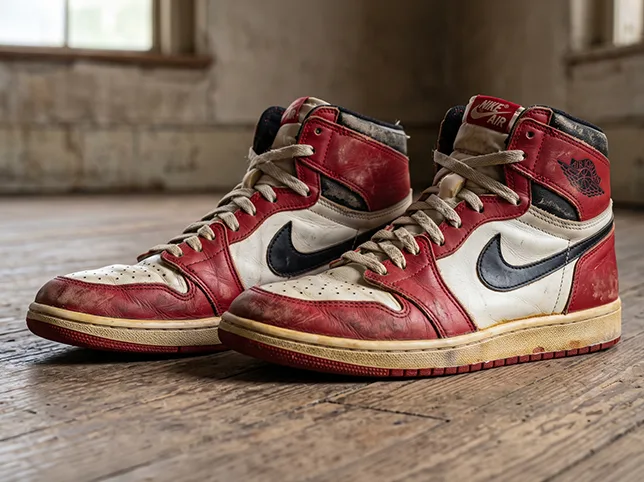
Professional photo editing for vintage resellers, colour-matched to daylight and never over-corrected, from $0.39 an image. A forty-year-old garment has faded unevenly, and editing that fade away produces a listing the item cannot live up to. Pixel Retouching has run vintage listing editing since 2014, from ISO-certified studios in Singapore and Dhaka.
Hover to see before
Send three pieces. We will show you how little needs changing.
A full production floor, for stock that never repeats
No minimum order and no presets run blind. Every one-of-one piece is looked at by a person, then checked by a second editor.
Why Vintage Needs a Lighter Hand, Not a Heavier One
Every other category rewards making the product look its best. This one punishes it.
Correcting the fade is a return
Uneven fade is the item, not a fault in the photograph. Even it out and the buyer receives something that does not match what they bought — the most expensive kind of good edit.
The photo is the condition report
Nobody can handle the garment before buying. Your photograph carries the entire promise about wear, pilling, repairs and colour, so anything the edit hides becomes a dispute later.
Nothing can be batch-actioned
One-of-one stock means no preset can be run across the set without looking at each piece. That is precisely where automated tools break, and where a person is genuinely worth paying for.
Old dye reads wrong under bulbs
Aged fabric shifts colour badly under domestic light — faded black photographs as brown, indigo as grey. Getting it back to what the eye sees in daylight is the single most useful thing an edit does here.
What We Will and Will Not Touch
Unusually for this site, the useful spec is a list of limits rather than a list of outputs.
- We correct
- Colour cast, white balance, exposure and the crop
- We leave
- Fade, patina, pilling, repairs and honest wear
- We remove
- The room, the hanger, the hand and the phone shadow
- We never
- Smooth fabric texture or invent detail that was not there
- Aspect ratio
- Square for grid platforms, plus any ratio your channels need
- Turnaround
- Same working day for pieces sent before the cut-off
If you want something on the right-hand list changed anyway, say so and we will — it is your listing. We just will not do it by default.
What We Edit for a Vintage Shop
Five jobs, each with a deliberate stopping point. Every one links to the service page that performs the technique.
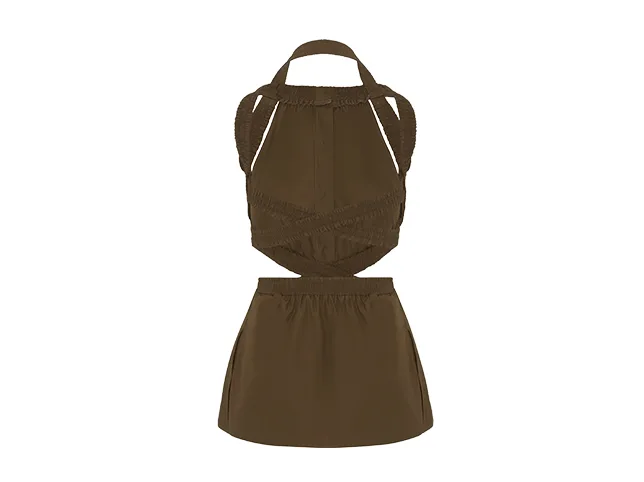
Mannequin Out, Shape and Age Kept
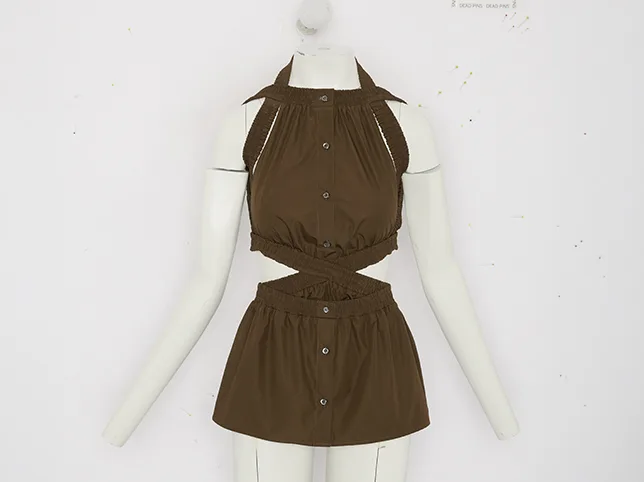
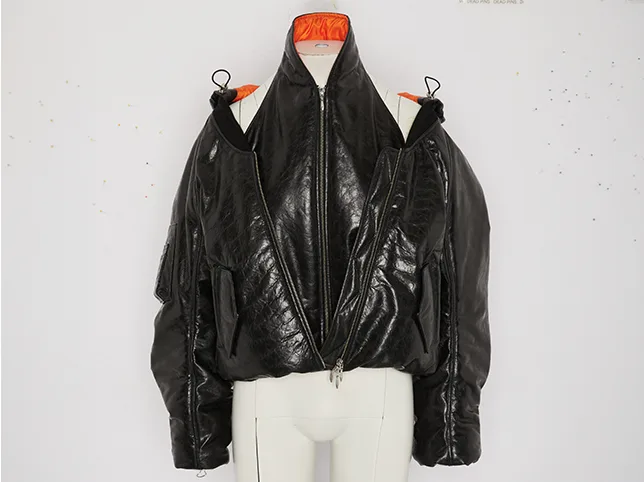
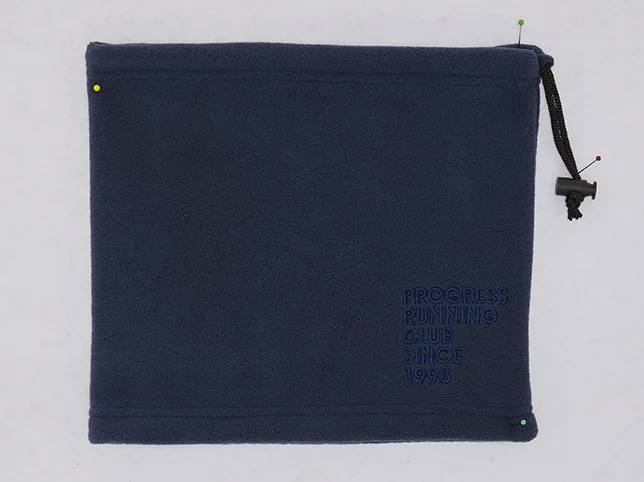
A dress form gives an old garment a body it has not had for forty years, which is useful for showing the cut and misleading if it irons out how the piece actually hangs now. The form is removed and the shape kept as the garment holds it — including where the fabric has stretched or dropped, because that is what the buyer will receive.
- Form removed, current hang preserved
- Stretch and drop left as they are
- Neck and armholes rebuilt
- Aged dye matched to daylight in the same pass
How this is done: Colour Change
Try it on 3 imagesWear Shown Clearly, Not Hidden
The opposite of what most editing services do. Close-up crops are pulled from your existing shots so pilling, a repair, a worn hem or a mark is visible and unambiguous. An honest flaw shot sells better than a hidden one, because it is what lets a cautious buyer commit.
- Detail crops from the shots you already have
- Flaws sharpened rather than softened
- Scale made obvious
- Description and photograph kept in agreement
How this is done: Cropping & Resizing
Try it on 3 imagesBackground Only, Garment Untouched
The floor, the radiator, the door frame and the shadow of your phone come out. The garment does not change at all. Where a plain background suits your shop we can place it on clean white, though a consistent real backdrop works just as well for vintage.
- Room and clutter removed
- Hanger, hand and phone shadow taken out
- Optional clean white placement
- Nothing on the garment itself altered
How this is done: eCommerce Photo Editing
Try it on 3 imagesShot in the Shop, Listed on White
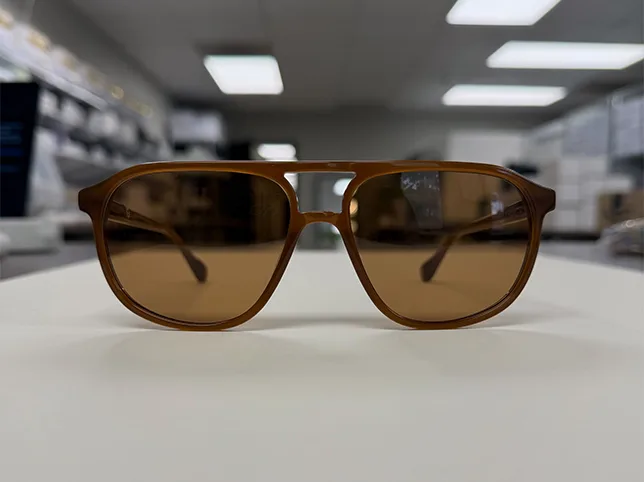
Vintage stock is photographed where it lives, which usually means a shelf, a strip light and half the rest of the inventory behind it. Lifting the piece out means rebuilding what the clutter was covering and keeping the tint that overhead shop lighting puts on tinted lenses, so the colour on the listing is the colour in the hand.
- Shop shelving and strip light removed
- Lens tint kept true, not neutralised away
- Piece squared and cropped for the grid
- Every ratio your channels need, from one master
How this is done: Cropping & Resizing
Try it on 3 imagesJewellery and Other Small Pieces
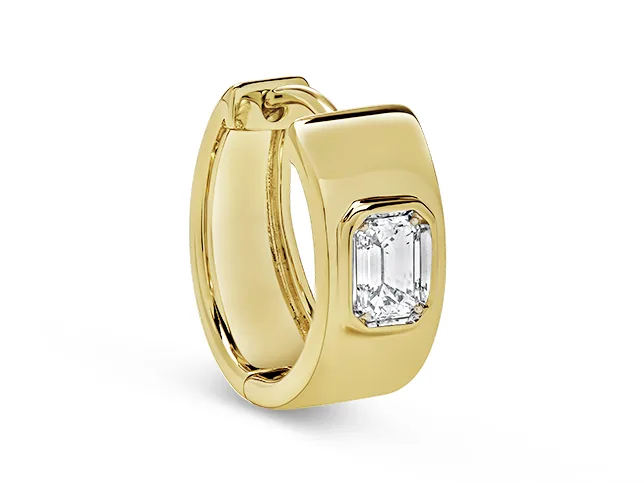
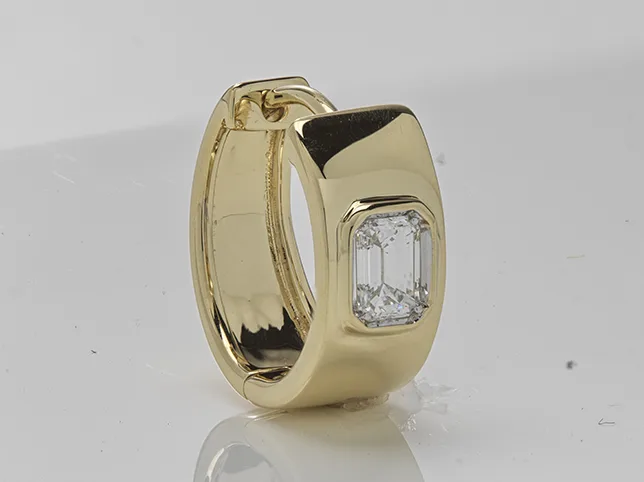
Vintage stock is rarely only clothing. Jewellery, buckles and hardware are photographed at a size where every scratch shows, and they are edited at listing zoom rather than treated as garment detail. The same care goes to old lace, chiffon and loose weave, where transparency is preserved per pixel instead of being flattened into a solid shape.
- Metal and stones finished at full zoom
- Patina kept where it is part of the piece
- Translucency preserved on sheer fabric
- Layered file supplied alongside
How this is done: Photo Enhancement
Try it on 3 imagesThe Services a Vintage Shop Bundles
Colour work, the listing edit and crops cover almost everything. Each page carries its own rate.
How a Vintage Order Runs
The agreement about where to stop happens before any file is opened.
-
01
Send the pieces and describe the colour
One line per item — "this is faded black, it should look faded". Your description is more reliable than the photograph, because the photograph is exactly what got the colour wrong.
-
02
We agree what counts as a flaw
The only question that really matters here. You tell us what is damage worth showing and what is dirt worth removing, and we work to that rather than guessing.
-
03
Edited by hand, piece by piece
No preset is run across one-of-one stock. A person edits each item and a second editor checks the batch before it ships.
-
04
Back the same day, named per item
Square and in any other ratio your channels need, named so they map to your listings. Revisions are unlimited.
Frequently Asked Questions
Will you make my vintage pieces look newer than they are?
No, and we would push back if you asked. Uneven fade, patina and pilling are the item, and evening them out produces a listing the garment cannot live up to. On a platform where your rating is your business, a return caused by a flattering photograph costs far more than the sale it won.
Why does faded black photograph as brown?
Because aged dye shifts badly under domestic light. A warm bulb pushes a faded black towards brown and a washed indigo towards grey, and your eye compensates in the room while the camera does not. Correcting to daylight is the single most valuable edit on vintage stock, and it is mostly what people are paying us for.
Can you photograph the flaws more clearly?
Yes, and we recommend it. Close-up crops pulled from your existing shots make a repair, a worn hem or pilling unambiguous. Counterintuitively this sells better than hiding them: a cautious buyer commits when they believe they have seen everything, and disputes drop at the same time.
How is this different from your Poshmark and Depop pages?
Poshmark work is about speed and colour on phone shots; Depop work is about a grid that reads as one curated shop. This page is about restraint — knowing what not to touch on a garment whose age is the product. Same rates and the same studio, genuinely different instructions to the retoucher.
Do you sell photo restoration too? My stock includes old photographs.
Yes, but that is a different service with its own page and rate — repairing cracks, tears and fading in damaged photographic prints. Nothing on this page touches that. If you sell both vintage clothing and old photographs, the restoration service covers the second.
Can you handle lace, chiffon and loose weave?
Yes, and that work is masking rather than cutting. The transparency is preserved per pixel so sheer fabric still reads as sheer instead of being flattened into a solid silhouette. It is the same technique used on hair and fur, and it is priced as image masking.
Is there a minimum order?
No. A single piece is a valid job and is priced the same per image as a batch of fifty. Discounts run upward from ten images, so batching helps, but nothing forces you to wait until you have a pile before listing something that is ready now.
How do I try it?
Send three pieces through the free trial, ideally the ones photographed in the worst light, and tell us their true colours. No card, no account, no follow-up call, and you keep the files either way.
Industries We Also Edit For
Different way of selling, different brief. Same price list and the same production floor.
Send Three Pieces and See What We Leave Alone
Pick something faded and something delicate. Those two will tell you more about whether this works for your stock than anything on this page.