ISO-certified studio · 80+ retouchers · 3M+ images +65 9050 7285 [email protected] Open 24 hours
Start a Free Trial
Built for catalogue scale Photo retouching for jewelry stores

Photo Retouching & Product Editing for Jewelry Stores

Professional jewelry photo retouching for stores and retail catalogues, finished to survive listing zoom, from $2.00 an image. The same gold has to read as the same gold across four hundred SKUs, and land before the collection goes on sale. Pixel Retouching has run jewellery retouching for retailers since 2014, from ISO-certified studios in Singapore and Dhaka.
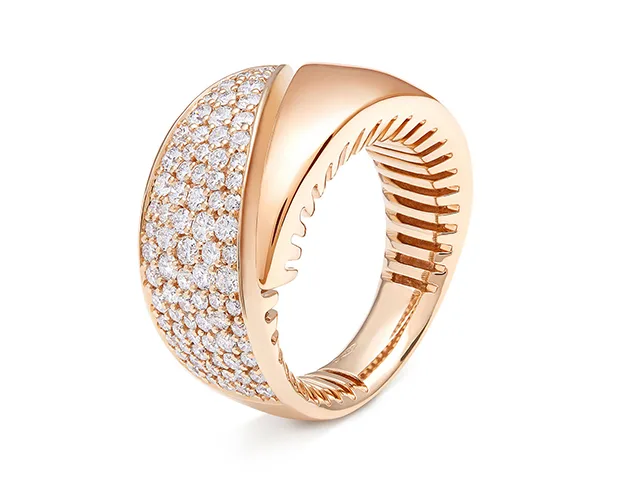
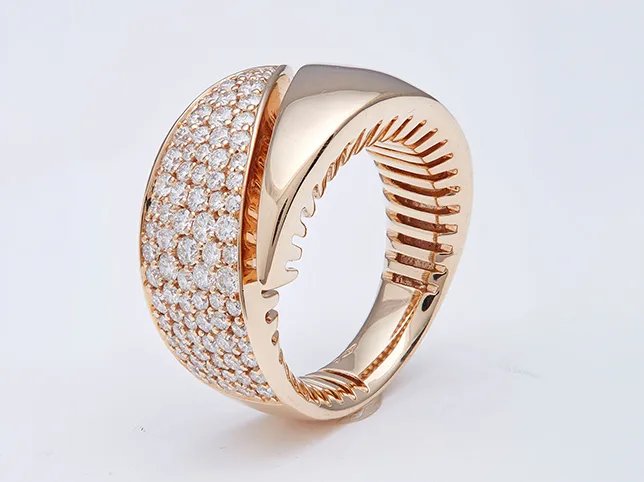
Rose gold band after retouching Rose gold band before retouching After editBefore

Hover to see before

Send three pieces — a stone, a plain metal and something reflective. That covers the range.

$2.00 per image
24h standard turnaround
3M+ images edited

Ten years on the hardest product category there is

Jewellery shows a shortcut at listing zoom faster than anything else we edit, which is why it is done by hand and checked twice.


ZEELUM
SQUARESHOT
soona
Pro Product Photo
OMS Photo
Prop Photo Studio
Northlane
VANTRA
Lumeo
Kindred & Co.
Atelier Nine
HALCYON
ZEELUM
SQUARESHOT
soona
Pro Product Photo
OMS Photo
Prop Photo Studio
Northlane
VANTRA
Lumeo
Kindred & Co.
Atelier Nine
HALCYON
3M+Images processed
80+In-house retouchers
8,000+Images a day
200+Brands worldwide
The real constraint

What Changes When It Is a Catalogue, Not a Campaign

The technique is identical. The constraints around it are not, and they are what actually cost retailers money.

The same gold, four hundred times

A single ring can be perfected in isolation. Ninety rings that must all read as the same yellow gold, shot across several days, is a consistency problem — and inconsistency between two pieces on one collection page is instantly visible.

The season has a launch date

Retail runs on collection drops. A hundred pieces arriving from the photographer three weeks before launch is a scheduling problem that no amount of retouching skill solves on its own.

Zoom is where the sale is decided

Nobody buys a two-thousand-pound ring from a thumbnail. Buyers zoom all the way in, which is exactly where a soft stone edge, a rebuilt reflection that does not match or a clumsy dust removal becomes obvious.

Multiple channels, one look

The store, the marketplace listing and the wholesale line sheet all need the same pieces at different specs. Editing them as three jobs is how a retailer ends up paying three times for one catalogue.

Delivery spec

What We Deliver for a Jewellery Retailer

Built around a collection going live on a date, rather than around one hero image.

Consistency
One metal tone and reflection logic across the collection
Zoom standard
Finished to survive full listing zoom, not thumbnail only
Scheduling
Batched against your launch date with a confirmed delivery
Channels
Store, marketplace and line-sheet outputs from one master
Backgrounds
Pure white plus your own styled background from the same edit
Turnaround
24 to 48 hours for high-end work, scheduled on a full collection

For the technique itself — stones, metal lustre, reflections and what each costs — the jewelry retouching service page covers it in full. This page is about running it at catalogue scale.

What we edit

What a Jewellery Catalogue Order Involves

Five jobs at collection scale. Each links to the service page that explains the technique itself — nothing here re-explains it.
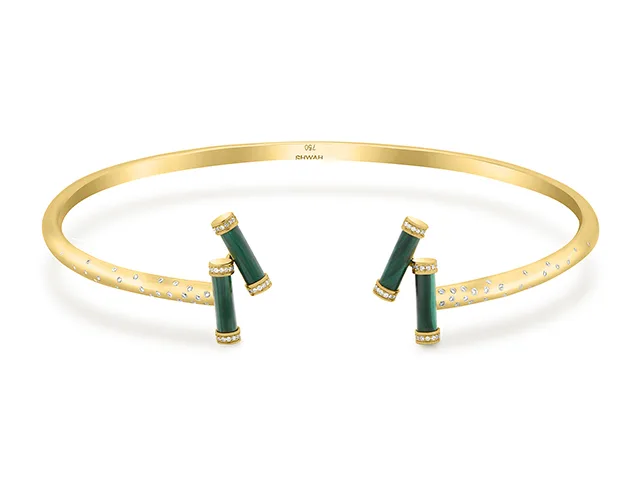
Emerald baguette bangle after the metal tone was matched across the collection
Emerald baguette bangle before the metal tone was matched across the collection
Before After

One Metal Tone Across the Collection

Yellow gold shot on Tuesday and yellow gold shot on Thursday are rarely the same yellow. Matching every piece to one defined metal tone is the difference between a collection page that looks like a range and one that looks like a series of separate purchases.

  • One defined tone per metal across the range
  • Yellow, white and rose gold kept distinct
  • Shot-day variation reconciled
  • Checked as a set, not piece by piece

How this is done: Jewelry Retouching

Try it on 3 images
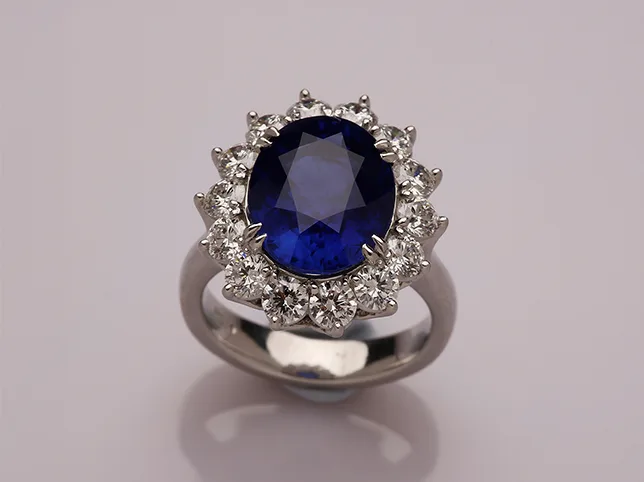
Stones That Hold Up at Full Zoom

Buyers zoom all the way in before spending, so facets, table and brilliance have to survive it. This is the most technically demanding work in the category and the reason jewellery is priced above other product editing.

  • Facet definition and brilliance restored
  • Colour of the stone kept truthful
  • Inclusions handled to your policy
  • Finished for full-zoom inspection

How this is done: Jewelry Retouching

Try it on 3 images
Sapphire halo engagement ring after stone and facet retouching at full zoom
Sapphire halo engagement ring before stone and facet retouching at full zoom
Before After
Polished silver drop earrings after reflections and contact shadow were rebuilt
Polished silver drop earrings before reflections and contact shadow were rebuilt
Before After

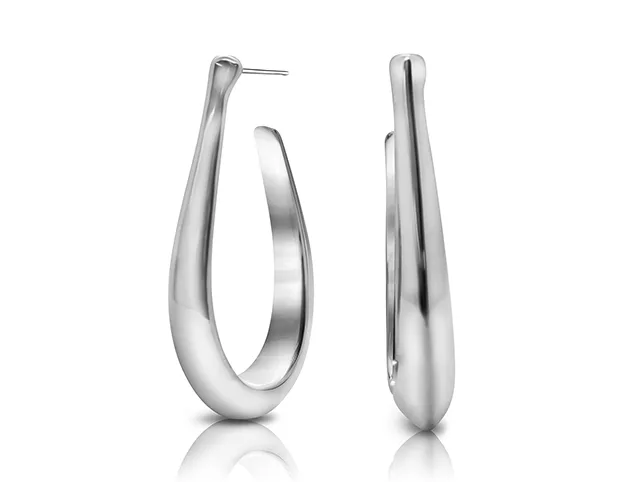
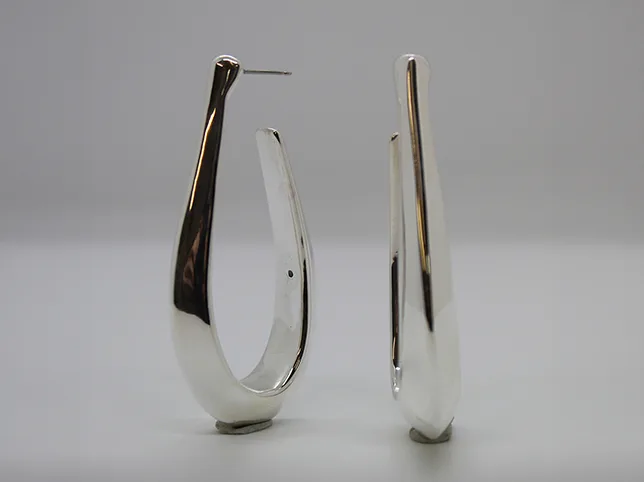
Reflections Rebuilt Consistently

Polished metal reflects its surroundings, including the studio. Reflections and contact shadows are rebuilt so a ring sits on the page with weight — using one logic across the collection so no two pieces look photographed in different rooms.

  • Studio reflections cleaned and rebuilt
  • Contact and drop shadows constructed
  • One light direction across the range
  • Metal still reading as metal, not as grey

How this is done: Jewelry Retouching

Try it on 3 images
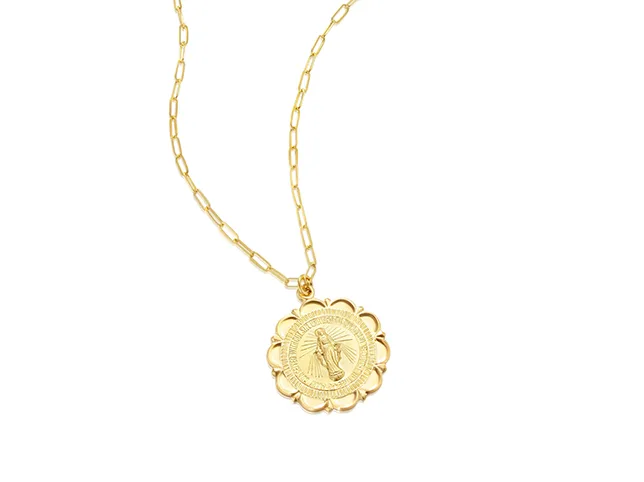
Clean Cut-Outs at Volume

Every piece needs a hand-drawn path, including through a chain, a claw setting and any gap a shortcut would fill in. At four hundred SKUs the cost per path matters, which is why it is priced separately from the retouching.

  • Hand-drawn paths through chains and settings
  • Negative space cut properly, not filled
  • Pure white plus your styled background
  • Layered file kept for later changes

How this is done: Image Masking

Try it on 3 images
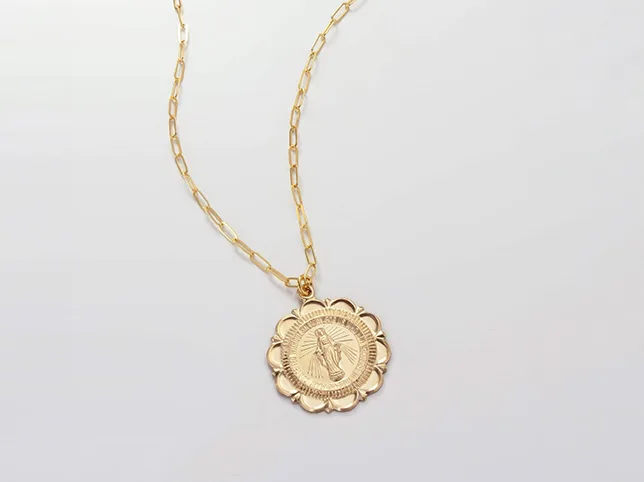
Gold coin pendant on a fine chain after a hand-drawn clipping path through the links
Gold coin pendant on a fine chain before a hand-drawn clipping path through the links
Before After
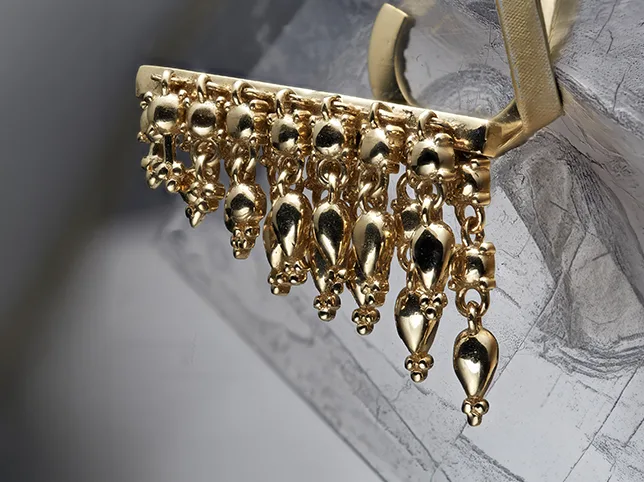
Gold fringe brooch after catalogue retouching and background cleanup
Gold fringe brooch before catalogue retouching and background cleanup
Before After

Clips, Stands and Whatever Held It Up

Something has to hold a piece at the angle it photographs best, and that something is in the frame: a clip, a stand, a wedge of putty, a length of fishing line. Removing it means rebuilding the part of the piece it was gripping, and on a fringe or a drop that means reconstructing the section that was hidden rather than cloning a neighbouring one.

  • Clips, stands and rigging removed
  • The gripped section rebuilt, not cloned
  • Piece left hanging as it actually would
  • Batched against your launch date

How this is done: eCommerce Photo Editing

Try it on 3 images
The services behind it

The Services a Jewellery Catalogue Bundles

Jewelry retouching leads, with masking, the listing edit and colour work alongside it. Each page carries its own rate.

How it runs

How a Collection Runs

Scheduled backwards from the launch date, with the metal standard agreed before volume begins.

  1. 01

    Send the collection and the launch date

    Both together. The date decides how the batch is staffed, and a hundred pieces three weeks out is comfortable where the same hundred at one week is not.

  2. 02

    We set the metal and reflection standard

    Agreed on two or three representative pieces first — a stone, a plain metal, something highly reflective. Everything else is then measured against that rather than judged individually.

  3. 03

    Hand-retouched, checked at zoom

    Every piece edited in Photoshop by a jewellery retoucher and reviewed at full zoom by a second editor, because that is where buyers will look.

  4. 04

    Delivered as a set, across every channel

    Store, marketplace and line-sheet outputs together, named to your SKU convention. Revisions are unlimited.

Common questions

Frequently Asked Questions

How is this different from your jewelry retouching service page?

The service page owns the technique — how stones, metal lustre, reflections and dust removal are actually done, and what each costs. This page owns the retail problem: running that same technique across four hundred SKUs so they all match, before a season goes live. If you want the craft detail, follow any of the links above; if your problem is a collection and a launch date, you are on the right page.

How do you keep gold consistent across a whole collection?

By defining the metal tone on two or three representative pieces first, then measuring everything else against it rather than judging each piece on its own. Gold photographed on different days under slightly different setups drifts, and it is only visible when two pieces sit side by side on a collection page — which is exactly where a customer sees it.

Can you deliver a full collection against a launch date?

Yes, and it is the normal shape of retail work here. Send the collection and the date together and we confirm a delivery schedule against the real piece count before starting. Standard turnaround is 24 to 48 hours for high-end work, with the whole set shipped together rather than trickled.

Do you remove inclusions from stones?

To whatever policy you set, and we will ask before assuming. Some retailers want visible inclusions kept because the listing describes clarity and the photograph should support it; others want dust and surface artefacts removed but nothing internal touched. Getting that decision explicit up front avoids a batch of unusable images.

Is the rate higher because we are a retailer?

No. Jewelry retouching starts at the same rate here as on the service page, and it is the same figure a single seller pays. Jewellery costs more than other product editing because the work genuinely is harder, not because of who is ordering. Volume discounts start at ten images and reach up to fifty percent above one hundred.

Can we get white-background and styled versions of the same piece?

Yes, and from one edit rather than two. The retouching is charged once and the different backgrounds are outputs from the same master, which is normally the biggest saving for a retailer running a store, a marketplace listing and a wholesale line sheet from the same photographs.

Do you use AI or automated tools on jewellery?

No. Jewellery is where automated tools fail most visibly — a generated reflection does not match the piece, an automatic path fills in the gap inside a claw setting, and a smoothing pass kills the facets. Every piece is edited by hand and checked at full zoom by a second editor.

How should we trial you?

Send three pieces through the free trial: one with a stone, one plain metal and one highly reflective. Those three cover most of what a jewellery catalogue will throw at us, so if they come back right the collection will too. No card, no account.

Get started

Send Three Pieces From the Next Collection

A stone, a plain metal and something reflective. Then zoom all the way in, because that is what your customers do before they spend.

Scroll to Top