ISO-certified studio · 80+ retouchers · 3M+ images +65 9050 7285 info@pixelretouching.com Open 24 hours
Start a Free Trial
Apparel · Fashion · eCommerce

Fashion and Apparel Photo Retouching Services

Professional apparel photo editing and garment retouching, from $0.39 an image. We correct fabric, colour, shape and background by hand so a season’s catalogue reads as one shoot — within 24 hours. Pixel Retouching has edited apparel since 2014, from ISO-certified studios in Singapore and Dhaka.
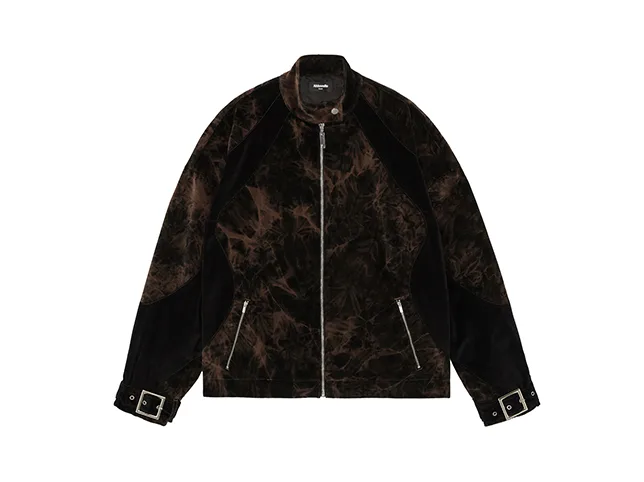
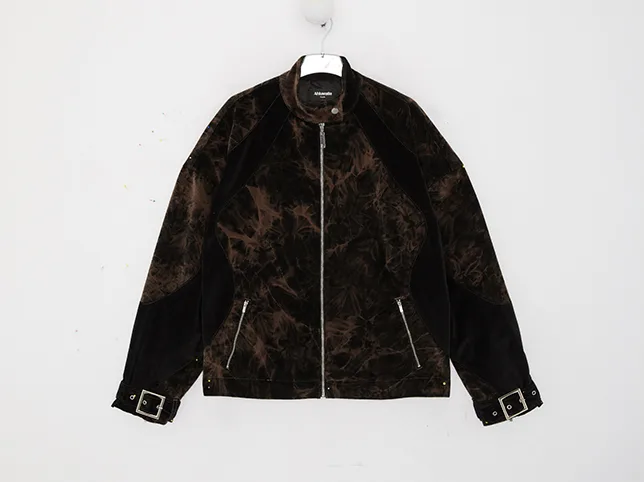
Bomber jacket after retouching Bomber jacket before retouching After editBefore

Hover to see before

3 garments edited free. No credit card, no sign-up.

24h Turnaround
80+ Retouchers
100% Hand-edited

Trusted by Fashion Labels, Retailers & Studios

Clothing brands, marketplace sellers and fashion photographers send us their raw frames and get listing-ready garments back the next working day.


ZEELUM
SQUARESHOT
soona
Pro Product Photo
OMS Photo
Prop Photo Studio
Northlane
VANTRA
Lumeo
Kindred & Co.
Atelier Nine
HALCYON
ZEELUM
SQUARESHOT
soona
Pro Product Photo
OMS Photo
Prop Photo Studio
Northlane
VANTRA
Lumeo
Kindred & Co.
Atelier Nine
HALCYON
3M+Images processed
80+In-house retouchers
8,000+Images a day
200+Brands worldwide
The service

What Is Apparel Photo Editing?

Apparel photo editing is the post-production that turns a studio frame of a garment into a listing image: fabric cleaned, colour matched to the real cloth, shape corrected, background removed and the file sized for wherever it is going. Every file is finished by hand in Adobe Photoshop, with a named retoucher responsible for the batch and a second editor checking it before it ships.

Fabric is unforgiving

Creases from packaging, loose threads and lint are recorded by the camera whether or not they are part of the product. Removing them without flattening the weave is the craft.

Colour is the return rate

Textiles shift colour under studio light more than almost any other material. Matching the photograph to the cloth is the most direct lever on apparel returns.

Shape has to read as worn

Shoulders, hems and sleeves are squared and balanced so the garment looks like it has a body in it, not like it is lying on a table.

Consistency across a season

A collection grid only looks like a brand if every tile shares a background, a shadow and a crop. Your style guide is recorded once and applied to every drop.

How it works

How Our Apparel Photo Editing Service Works

Four steps from raw frames to listing-ready files, with no account setup in between.

Step 01

Send your files

JPEG, PNG, TIFF or RAW by upload link, Dropbox, Google Drive, WeTransfer or straight to your FTP.

Step 02

Manual editing

A named retoucher cleans the fabric, corrects colour and shape, and cuts the garment out by hand.

Step 03

Quality control

A second editor checks edges, symmetry, colour and shadow against your style guide.

Step 04

Delivery

Files return within 24 hours, sized for your marketplace. Revisions are unlimited.

What we edit

Our Apparel Photo Editing Services

Every operation that goes into a finished garment image, from the fabric clean-up to the final crop. Drag any slider to see the real file, before and after.
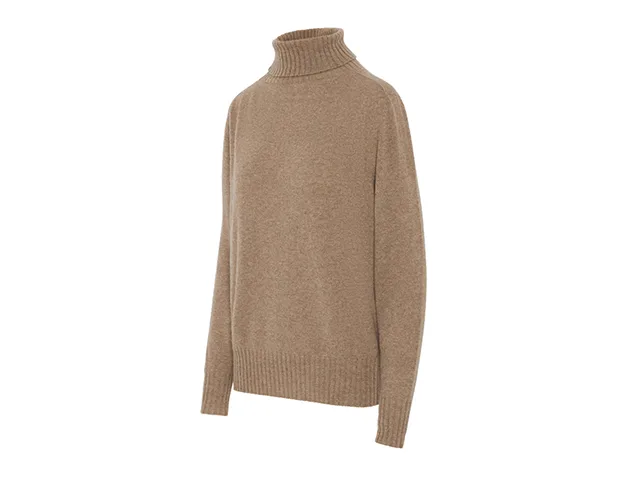
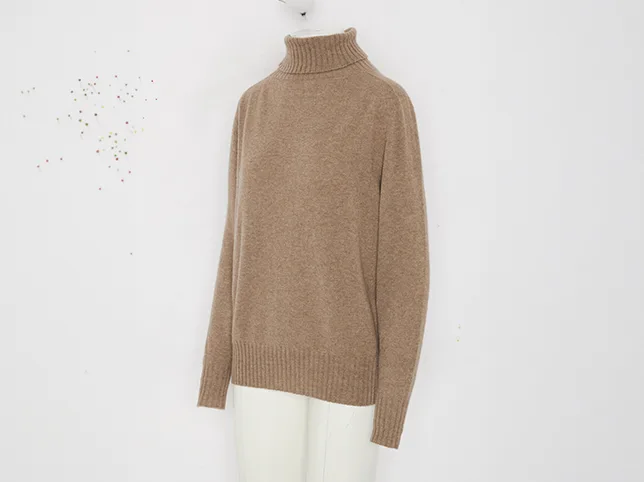
Camel knit turtleneck after background removal and dust cleanup
Camel knit turtleneck before background removal and dust cleanup
Before After

Background Removal & Replacement

The garment is cut out by hand and placed on pure white for marketplaces, a brand colour for your own site, or transparency for layouts. Soft edges, knitwear fibres and lace are masked rather than clipped.

  • Hand-drawn path, never automated
  • Loose fibres masked, not clipped
  • Pure white, custom colour or transparent
  • Amazon-compliant white on request
Try it on 3 images

Colour Correction & Matching

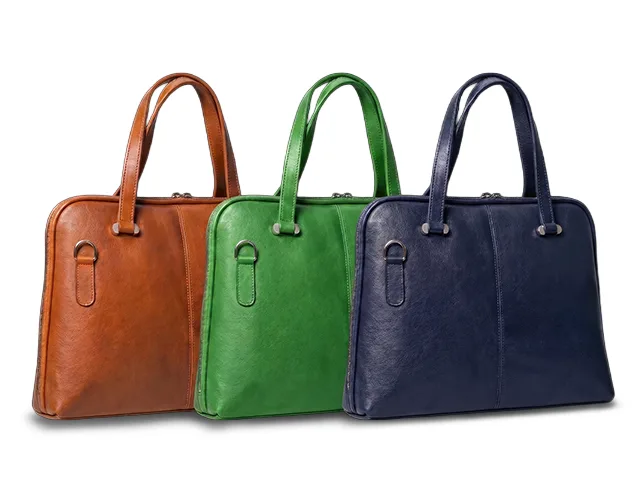
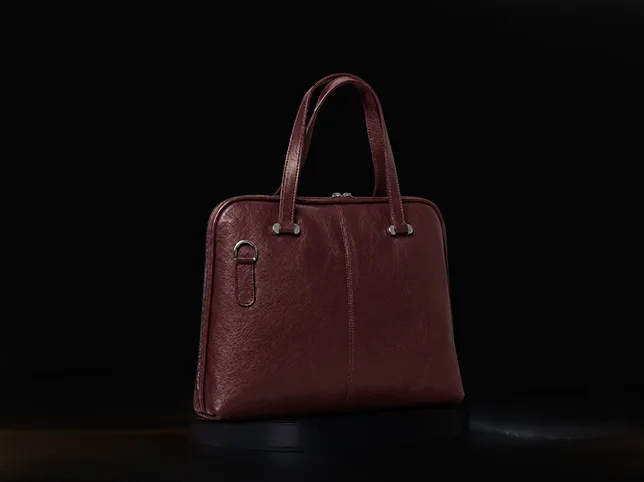
Fabric colour matched to the physical garment, with white balance and studio cast corrected. Textiles shift more under artificial light than most materials, which is why this is the largest single lever on apparel returns.

  • Colour matched to the real cloth
  • White balance and cast corrected
  • Held consistent across every size
  • Fewer colour-related returns
Try it on 3 images
Leather handbag after colour matching, delivered as three colourways from one shot
Leather handbag before colour matching, delivered as three colourways from one shot
Before After
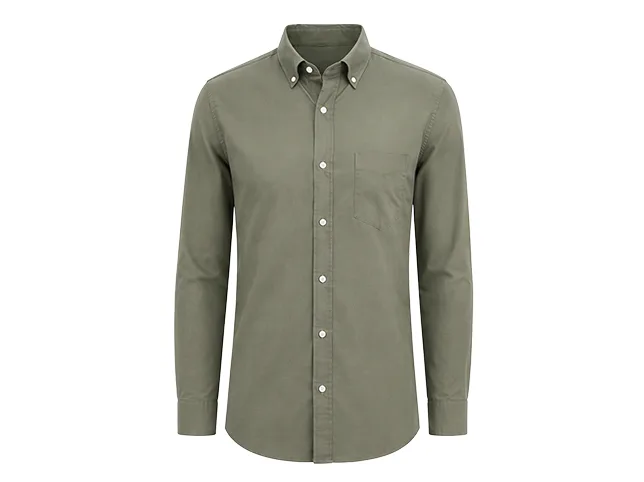
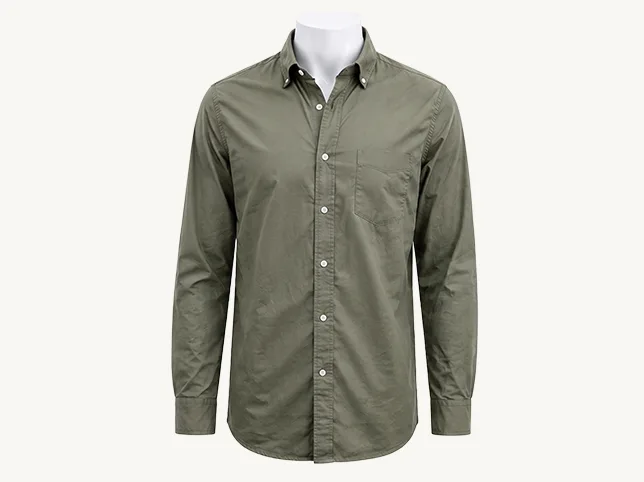
Olive cotton shirt after fabric cleanup and mannequin removal
Olive cotton shirt before fabric cleanup and mannequin removal
Before After

Fabric Clean-up & Retouching

Creases from packaging and handling, loose threads, lint and hair are removed while genuine weave, texture and intentional pleats are kept. Steaming before the shoot still beats fixing it afterwards.

  • Packaging creases removed
  • Loose threads and lint cleared
  • Weave and texture retained
  • Intentional pleats kept
Try it on 3 images

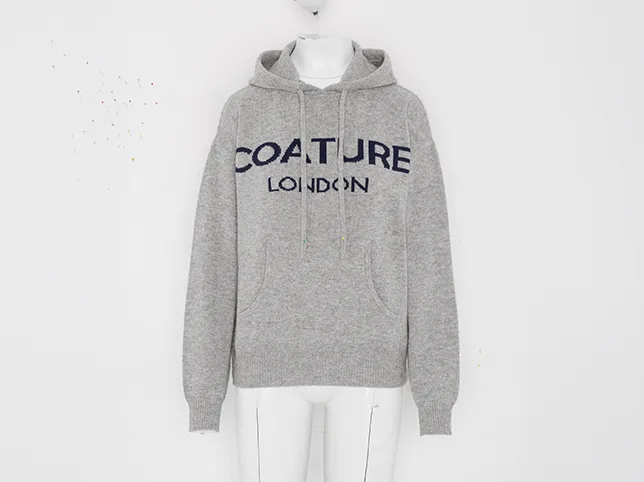
Ghost Mannequin, Neck Joint & Symmetry

The mannequin is removed and the interior collar composited in so the garment holds its own three-dimensional shape. In the same pass shoulders are squared, sleeve lengths matched and hems levelled, because uneven pieces are the most common reason a catalogue looks inconsistent when scrolled quickly.

  • Mannequin removed, shape retained
  • Neck, sleeve and hem joints built
  • Shoulders squared, sleeves matched
  • Garment reads worn, not propped
Try it on 3 images
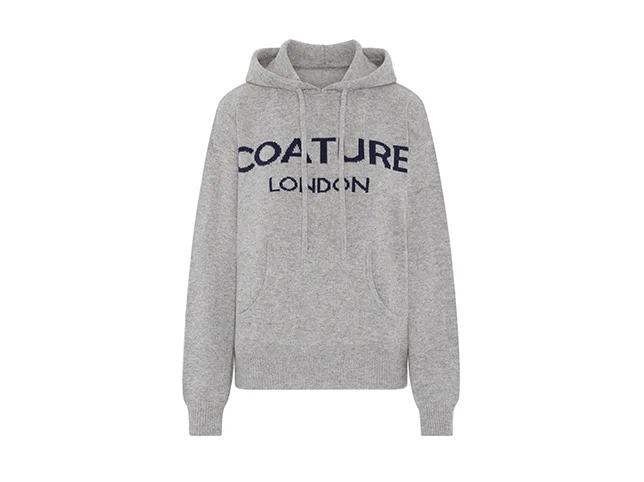
Grey printed hoodie after ghost mannequin and neck joint editing
Grey printed hoodie before ghost mannequin and neck joint editing
Before After
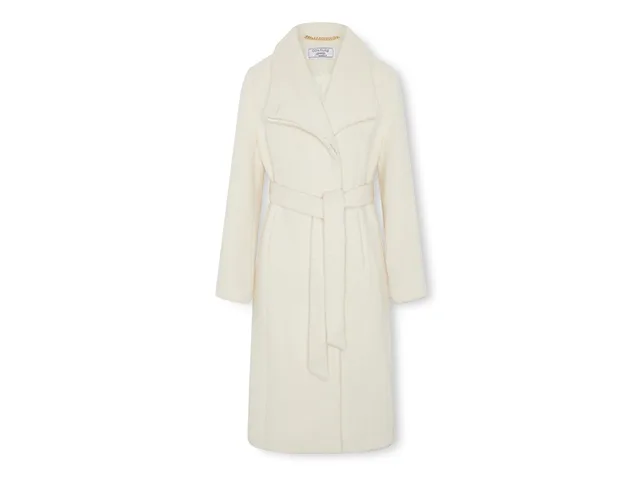
Cream belted coat after natural shadow creation
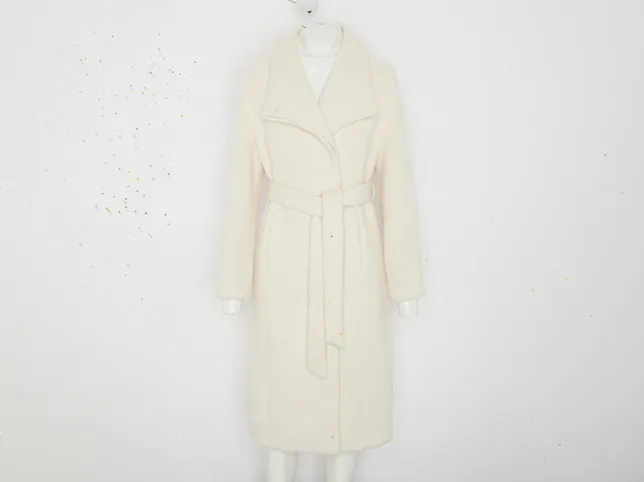
Cream belted coat before natural shadow creation
Before After

Shadow & Reflection Creation

A natural drop or reflection shadow so the garment sits on the surface instead of floating on white. Depth is set once for your account and held across the whole collection.

  • Natural drop or reflection shadow
  • Depth set once, held catalogue-wide
  • Garment grounded, never floating
  • Works on white and custom backgrounds
Try it on 3 images

Cropping, Resizing & Optimisation

Final files cropped to the frame fill each marketplace expects and exported at the dimensions and file sizes those platforms accept, with composition kept across every colour and size variant.

  • 85% frame fill for Amazon
  • Sized per marketplace spec
  • Composition kept across variants
  • JPEG, PNG or TIFF output
Try it on 3 images
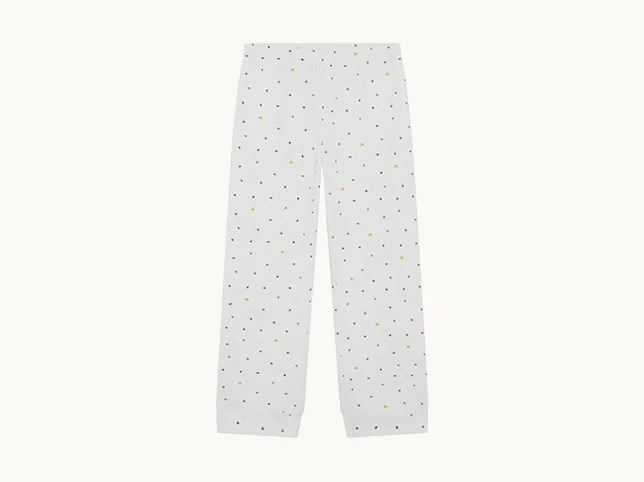
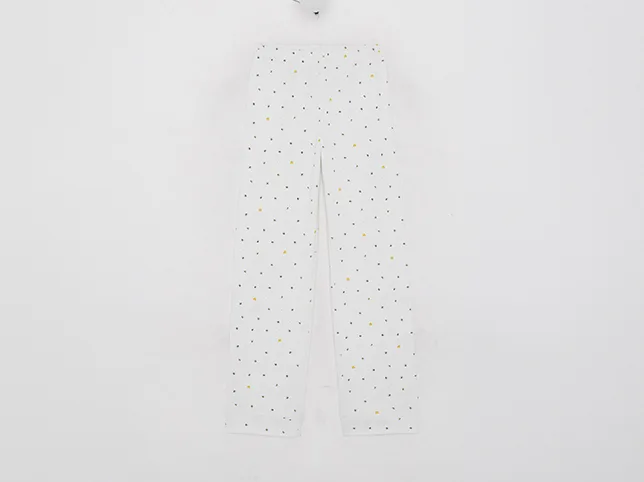
White polka dot trousers after cropping, resizing and listing optimisation
White polka dot trousers before cropping, resizing and listing optimisation
Before After
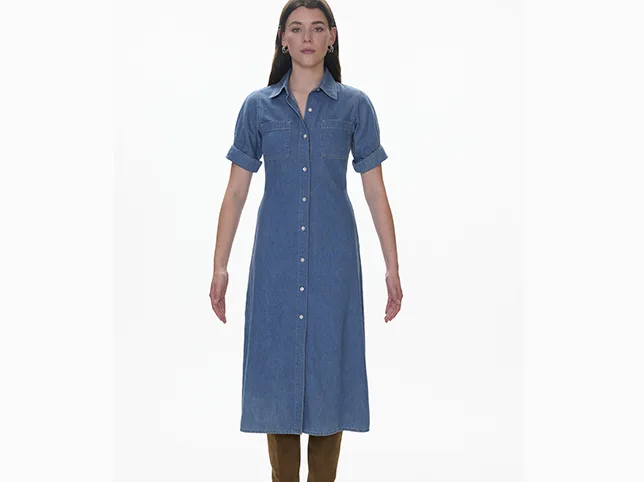
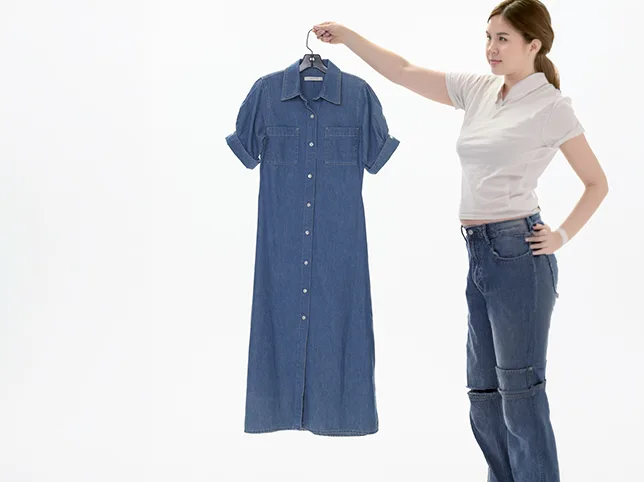
Blue denim shirt dress after model and lookbook retouching
Blue denim shirt dress before model and lookbook retouching
Before After

Model & Lookbook Retouching

On-model frames finished for campaigns and lookbooks: skin and hair kept natural, garment shape and fabric prioritised, background cleaned or replaced.

  • Garment prioritised over the model
  • Natural skin and hair retouching
  • Background cleaned or replaced
  • Campaign and lookbook finishing
Try it on 3 images
Apparel categories

How the Garment Was Shot Decides the Edit

Fabric matters, but the bigger variable is how the garment was photographed. These six cover everything that arrives, and what each one costs in editing time.

Flat lay: the ironing is the edit

A garment photographed flat has nothing holding its shape, so every crease, twisted seam and rucked sleeve is in the frame permanently. Most of the work is pressing the garment after the fact — relaxing fold lines, squaring the shoulders, evening the sleeves — plus correcting the perspective an overhead shot introduces at the edges, which is why a flat lay often comes back subtly wider at the hem than it went in.

On-model: the person is half the file

On-model shots bring a second subject into an apparel edit. Stray hairs across a shoulder, a strap showing through, skin tone shifting between frames of the same look — all of it competes with the garment, which is what the listing is actually selling. We clean what distracts and leave the model alone: we do not slim, lengthen or reshape bodies, because a garment that only fits an edited body is a return waiting to happen.

Ghost mannequin: a discipline of its own

The invisible-mannequin effect is enough work to have its own page, and re-explaining it here would only do it badly. In short: the form is removed and the inside of the collar composited from a second frame, so the garment holds its shape with nothing inside it. Everything about joints, linings and awkward fabrics is on the ghost mannequin page.

Hanger and rail: removing what held it up

Rail shots are the fastest way to photograph a large range and the most awkward to edit, because the hanger sits in front of the garment rather than behind it. Removing it means rebuilding the shoulder line and collar it was covering, and the shape that goes back has to match the other twenty pieces from the same rail, not just look plausible on its own.

Prints, graphics and colourways

Printed garments add two problems at once: the artwork has to stay aligned and legible as the file is resized down to a thumbnail, and the colour has to be the colour of the cloth rather than the colour the studio lights made it. Once one frame is corrected, the remaining colourways can be built from it, so a nine-colour run does not need nine separate shoots.

Fabrics where the texture is the product

Chunky knit, denim wash, suede, technical weave and anything reflective all lose the thing that sells them if the file is cleaned too hard. Wash variation on denim is not a defect, and a knit that has been noise-reduced into a flat grey shape reads as cheap. These are edited with a lighter hand and masked rather than pathed, because the edge is loose fibre, not an outline.

Who we work with

Who Uses Our Apparel Photo Editing Services

From single-line labels to catalogue teams shipping thousands of SKUs a season. What separates them is not the garments, it is whose photography they are working from.

Fashion brands: four drops, one standard

A collection is shot over days and published as one page, so the standard has to be written down rather than carried in someone’s head. Background, shadow, crop ratio and how far to push fabric colour are recorded on the first order and applied to every drop after it, including the ones shot in a different studio six months later.

Multi-brand retailers: imagery you did not shoot

Stocking forty labels means receiving forty houses’ photography, each with its own background, crop and idea of what white is. Normalising that into one grid is a different job from retouching a shoot: the reference is your own site rather than the original file, and the answer is usually rebuilding the background rather than correcting it.

Apparel manufacturers: line sheets, not listings

Wholesale buyers compare construction across a range, so accuracy of shape and fabric colour matters more than styling. The other half is volume against one deadline: a line sheet is hundreds of pieces that must read as a single shoot even though it was not, which is a consistency problem before it is a retouching one.

Fashion photographers: delivered under your name

Apparel post-production eats the day after the shoot, which is why photographers hand it over. Files return unbranded in your naming and folder convention, ready to deliver as your own work. We do not contact your client and we are not credited in the delivery.

Print-on-demand: one garment, every artwork

Print-on-demand inverts the usual problem. Rather than many garments needing one standard, it is one garment template carrying hundreds of artworks, so the base file has to be clean enough to survive being reused indefinitely and the artwork has to sit on the fabric with the weave and folds showing through rather than pasted flat on top.

Why it converts

Why Apparel Images Decide the Sale

Clothing is bought on fit, colour and quality — three things a buyer can only judge from the photograph.

Colour drives the return

A garment that arrives a different shade than the listing showed is the most common apparel return there is, and the one most likely to end in a poor review.

Shape communicates fit

A garment that reads as worn tells a buyer how it will sit on them. One lying flat and creased tells them nothing, so they hesitate.

Fabric detail signals quality

Weave, stitching and trim are what separate a premium piece from a cheap one at thumbnail size. Flatten them and the price stops being believable.

Consistency makes a collection

When every tile shares a background, a shadow and a crop, a drop looks like a considered collection instead of a folder of snapshots.

Our workflow

Our Apparel Retouching Workflow

The same four stages run on a three-image trial and a four-thousand-image catalogue.

  1. 01

    Cut-out

    Garment pathed and separated, soft edges and fibres masked.

  2. 02

    Retouching

    Fabric cleaned, colour matched, shape and symmetry corrected.

  3. 03

    Quality control

    Second editor checks the file against your written style guide.

  4. 04

    Delivery

    Cropped, sized and delivered by link or FTP within 24 hours.

Pricing

Apparel Photo Editing Pricing, per Image

Starting rates for standard complexity. Send a sample and we confirm the exact price before any work begins.

Camel knit turtleneck after background removal and dust cleanup
Background removal

Hand-drawn path with the garment placed on white or transparent.

From $0.39 Try it free
Leather handbag after colour matching, delivered as three colourways from one shot
Colour correction

Fabric colour matched to the physical garment, cast corrected.

From $0.50 Try it free
Olive cotton shirt after fabric cleanup and mannequin removal
Fabric clean-up & retouching

Creases, threads and lint removed with the weave kept intact.

From $0.80 Try it free
Grey printed hoodie after ghost mannequin and neck joint editing
Ghost mannequin

Mannequin removed and the interior collar composited in.

From $0.99 Try it free
Cream belted coat after natural shadow creation
Shadow or reflection

Natural drop or reflection shadow added to an edited garment.

From $0.50 Try it free
White polka dot trousers after cropping, resizing and listing optimisation
Bulk catalogue work

Ten images or more. Send a sample and we quote the whole batch upfront.

From Custom Try it free

Bulk orders of 10+ images qualify for discounted pricing, and 100+ for up to 50% off.

Common questions

Frequently Asked Questions

Prices and turnaround on this page were last reviewed in August 2026.

What kinds of apparel do you edit?

Everything a clothing catalogue contains: t-shirts, shirts, dresses, skirts, jackets, blazers, hoodies, knitwear, denim, trousers, activewear, kids and baby clothing, lingerie, swimwear, outerwear and accessories. If your category is not listed, send a sample and we will confirm feasibility and price.

Do you offer ghost mannequin editing?

Yes, and it is one of our largest categories. The mannequin is removed and the interior collar composited in so the garment holds its shape. Neck, sleeve and bottom joints are all covered — our dedicated ghost mannequin page goes into the technique in detail.

Can you remove wrinkles and creases?

Yes, and it is included in the standard edit. Creases from the mannequin, packaging and handling are removed while genuine fabric texture and intentional folds are preserved. Steaming garments before the shoot still produces the best result.

Can you match colour to the physical garment?

Yes, and it is the edit we would prioritise if you only picked one. Send a reference — a swatch photo, a Pantone reference or an approved sample image — and every variant is matched to it and held consistent across the batch.

Can you edit sheer, lace or knitted fabrics?

Yes. Lace, mesh, chiffon and open-weave knitwear are edited with channel and alpha masking so the semi-transparent fibres survive, rather than being clipped away by a hard outline.

Do you edit on-model and flat lay photography?

Yes, both, alongside ghost mannequin. On-model work prioritises the garment while keeping skin and hair natural; flat lay work focuses on shape, symmetry and fabric texture.

Do you meet marketplace image requirements?

Yes. Amazon listings are returned on pure white with the garment filling roughly 85% of the frame at compliant dimensions. Shopify, eBay and Etsy work is matched to each platform’s own grid, aspect ratio and file size limits.

Do you edit bulk apparel catalogues?

Yes, and it is one of our core strengths. Capacity runs to 8,000 images a day, and your style guide is recorded once so a second drop matches the first months later.

What is your turnaround time?

Standard turnaround is 24 hours for most orders, and 24–48 hours for complex or high-volume work. For large catalogue projects we agree a delivery timeline upfront and meet it. Rush and same-day editing is available.

What file formats do you accept?

JPEG, PNG, TIFF and RAW from any camera. Layered PSDs are welcome and we will keep the layer structure intact. For high volume we can connect directly to your FTP server.

Is there a minimum order?

No. You can send a single image, or start with the free trial of three garments. There is no minimum quantity and no sign-up required.

What if I am not satisfied with the edits?

Revisions are unlimited on every order. Tell us what needs to change and we keep working until it is right. If revisions still do not resolve the issue, a money-back guarantee applies.

Related services

Related Photo Editing Services

Apparel work pairs naturally with ghost mannequin editing, clipping path work and colour change for building colourways without a reshoot. This page covers the editing; what changes when you are running it as a streetwear label, an online boutique or an independent designer is set out on those pages instead.

Get started

Start Your Free Apparel Editing Trial

Send three garments and see the difference before you commit to anything. No credit card, no sign-up, no obligation.

Scroll to Top