ISO-certified studio · 80+ retouchers · 3M+ images +65 9050 7285 [email protected] Open 24 hours
Start a Free Trial
Built for Depop shops Depop photo editing services

Photo Editing & Retouching for Depop Sellers

Professional photo editing for Depop sellers, graded as one consistent grid, from $0.39 an image. A clinical white cut-out works against you here — the edit protects the mood while fixing the mechanics, so the grid never staggers. Pixel Retouching has run Depop listing editing since 2014, from ISO-certified studios in Singapore and Dhaka.

Leather jacket after retouching Leather jacket before retouching After editBefore

Hover to see before

Send three listings. Back as a set that shares one look, sized for the grid.

$0.39 per image
24h standard turnaround
3M+ images edited

The studio behind two hundred brands, with no minimum order

One listing is a valid job. It is edited by the same retouchers who run catalogues, on the same quality process.


ZEELUM
SQUARESHOT
soona
Pro Product Photo
OMS Photo
Prop Photo Studio
Northlane
VANTRA
Lumeo
Kindred & Co.
Atelier Nine
HALCYON
ZEELUM
SQUARESHOT
soona
Pro Product Photo
OMS Photo
Prop Photo Studio
Northlane
VANTRA
Lumeo
Kindred & Co.
Atelier Nine
HALCYON
3M+Images processed
80+In-house retouchers
8,000+Images a day
200+Brands worldwide
The real constraint

Why Depop Is Not Just Another Marketplace

Every instinct that works on Amazon is wrong here, and that catches out most editing services.

The grid is the shop

Buyers judge your whole shop before opening any single listing. Six good photographs that do not look related read worse than six average ones that do, because the grid is what communicates that you have taste.

White cut-outs kill the vibe

The sterile catalogue look signals dropshipper, not curator. Correcting the light while keeping the setting is a much harder brief than removing a background, and it is the one this platform actually wants.

Square, or the grid staggers

Depop crops to square. Portrait shots get their tops and bottoms taken off, so a shop of mixed ratios ends up looking accidental rather than styled.

Honest colour still matters

Mood is not a licence to mislead. A washed-out filter that hides the real shade of a garment turns into a return, and on a platform built on seller ratings that costs more than the sale.

Delivery spec

What We Deliver for Depop

Matched to how the app crops and displays a shop, with the styling left intact.

Aspect ratio
1:1 square — the grid crops everything to square
Look
Editorial and consistent, not stripped to white
Background
Your own setting, kept and cleaned rather than replaced
Set size
Four shots per listing where your angles allow it
Colour
Corrected to true daylight under any styling treatment
Turnaround
24 hours standard, same day for small batches before the cut-off

Depop crops the shop grid to square, so compose with room around the garment — anything tight to the frame loses part of itself in the view buyers see first.

What we edit

What We Edit for a Depop Shop

Five jobs, all aimed at a grid that looks deliberate. Each links to the service page that performs the technique.

Khaki t-shirt on a hanger after the shop-wide white background treatment
Khaki t-shirt on a hanger before the shop-wide white background treatment
Before After

One Treatment Across the Whole Shop

The highest-value change on this platform, and the one sellers most often skip. A single grade, crop discipline and brightness level applied across every listing turns a collection of separate evenings into something that reads as curated — which is what makes people follow a shop rather than buy once.

  • One written treatment across every listing
  • Consistent brightness and grade
  • Uniform square crops so the grid sits level
  • Reapplied to new listings as you add them

How this is done: eCommerce Photo Editing

Try it on 3 images

Texture and Embellishment Kept

Beading, sequins, embroidery and heavy surface work are exactly what an over-cleaned edit destroys: run noise reduction across a beaded clutch and it comes back as a smooth blue shape. The piece is lifted and separated with the surface left alone, because on resale the texture is the proof that the item is what the listing says it is.

  • Beading and sequins left sharp
  • No noise reduction across the surface
  • Depth kept in the embellishment
  • Separated cleanly without softening edges

How this is done: Photo Enhancement

Try it on 3 images
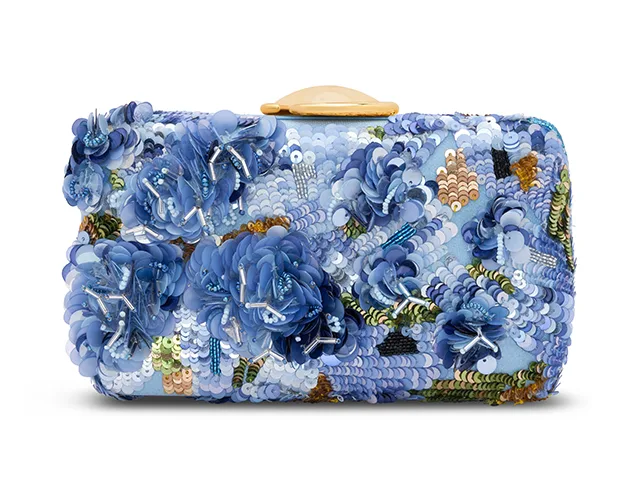
Blue floral clutch bag after isolation that keeps the print and character intact
Blue floral clutch bag before isolation that keeps the print and character intact
Before After
Brown patterned dress after try-on lighting correction and cleanup
Brown patterned dress before try-on lighting correction and cleanup
Before After

On-Model Shots Without the Model

A garment already photographed on someone can be listed without them. The body is removed and the dress rebuilt where arms, neck and hands were covering it, which is harder than working from a mannequin — a form is a known shape, a person is not. It recovers a whole set of shots that would otherwise only work as lifestyle images.

  • Model removed, garment rebuilt behind
  • Arms, neck and hands reconstructed
  • No reshoot needed for the listing image
  • Lifestyle shot and listing shot from one frame

How this is done: eCommerce Photo Editing

Try it on 3 images

Knitwear, Lace and Fuzzy Edges

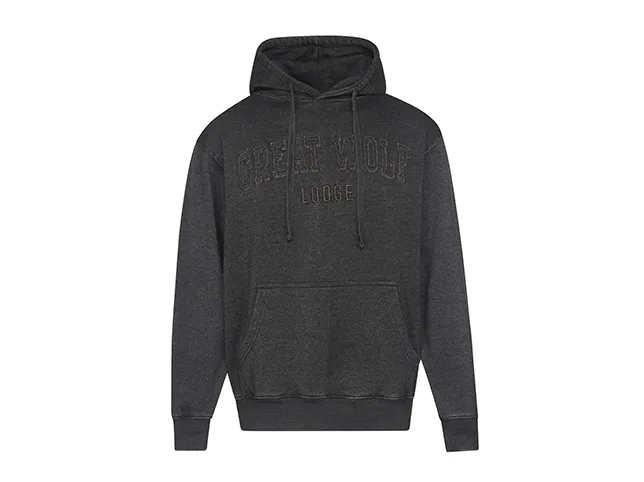
Vintage knits, mohair, lace and anything with a fringe cannot be cut with a path without losing exactly the detail that sells them. Masking preserves the fibre per pixel, so a fluffy jumper still looks fluffy at the edge.

  • Strand-level extraction on knit and fibre
  • No halo where the fuzz meets the background
  • Per-pixel transparency
  • Works against a styled scene, not just white

How this is done: Image Masking

Try it on 3 images
Washed grey fleece hoodie after masking along a fuzzy fleece edge
Washed grey fleece hoodie before masking along a fuzzy fleece edge
Before After
Navy denim fabric after cleanup that keeps the weave and texture intact
Navy denim fabric before cleanup that keeps the weave and texture intact
Before After

Creases, Lint and Stray Threads

Second-hand garments arrive folded and photographed straight away. Easing the worst creases and lifting the lint makes the piece look cared for, which is what a buyer is really assessing — without touching genuine wear that belongs in the listing.

  • Fold creases eased, not erased
  • Lint, hair and stray threads removed
  • Fabric texture and weave kept
  • Real wear deliberately left visible

How this is done: Photo Enhancement

Try it on 3 images
The services behind it

The Services a Depop Shop Bundles

Mostly the listing edit, enhancement, masking and crops. Each page carries its own rate and before-and-after.

How it runs

How a Depop Order Runs

Built around batches, because consistency is the product here.

  1. 01

    Send a batch and point at your best listings

    Consistency needs a reference. Tell us which of your existing photographs you want the shop to look like, and that becomes the spec everything else is matched to.

  2. 02

    We set the treatment and show it on one

    The grade is applied to a single listing first so you can approve the look before it goes across the batch. Changing your mind at that point costs nothing.

  3. 03

    Edited by hand, listing by listing

    One-of-one stock cannot take a blind preset, so a person edits each item and a second editor checks the batch for consistency before it ships.

  4. 04

    Delivered square and ready to post

    Back at 1:1, named per item, as a set that sits together in the grid. Revisions are unlimited.

Common questions

Frequently Asked Questions

Should Depop photos have a white background?

Usually not, and this is the biggest difference from every other marketplace. The sterile white cut-out reads as dropshipping here, while a consistent real setting reads as a curated shop. What matters is that the setting is the same across your listings, not that it is white — consistency does the work that a white background does elsewhere.

How is this different from your Poshmark page?

The platforms share the resale label but not the problem. Poshmark work is mostly about speed and colour honesty on phone shots, one item at a time. Depop work is mostly about the shop grid reading as one coherent thing, which means batching and a single agreed treatment. Same rates, genuinely different brief.

What size should Depop photos be?

Square is the part that matters, because the grid crops everything to 1:1 regardless of what you upload. Shoot at your phone’s full resolution and compose with room around the garment, since anything framed tight loses part of itself in the crop buyers see first.

Can you make my shop look consistent without reshooting?

Usually yes, and it is the main reason sellers come to us. Send a batch, point at the listings you already like, and one treatment is matched across the rest. Where photographs are too different to reconcile — wildly different light, wildly different backdrop — we will tell you which ones need reshooting rather than pretend otherwise.

Will you edit out damage or wear?

Not unless you ask, and we would advise against it. Second-hand buyers expect wear and are fine with it when the listing is honest; what they are not fine with is a surprise. We ease fold creases and remove lint, which are artefacts of storage, and leave genuine wear alone so the photograph and the description agree.

Do you edit on-model shots?

Yes, and they are worth the extra care on this platform because they convert better. Hair over fabric and a busy room behind an outline are the two fiddly parts, and both are done by hand. Skin is left natural — this is a garment listing, not a beauty retouch.

How quickly do I get a batch back?

Standard turnaround is 24 hours, and small batches sent before the cut-off usually come back the same working day. Larger batches get a confirmed date before anything starts, so you can plan a posting session around it.

How do I try it?

Three images through the free trial, with no card and no account. Send three listings from your next batch and post them alongside your usual photographs — the grid will tell you within a week whether it was worth it.

Get started

Send Three Listings and Watch the Grid

Consistency is the thing you cannot judge from a single image, so post them together and look at the shop rather than the listing.

Scroll to Top