Photo Editing & Retouching for Online Boutiques
Professional photo editing for online boutiques, brought to one standard across every supplier, from $0.39 an image. Carry sixty pieces rather than six thousand and there is nowhere for a weak image to hide. Pixel Retouching has run boutique product editing since 2014, from ISO-certified studios in Singapore and Dhaka.
Hover to see before
Send three pieces, ideally from three different shoots. That is the real test.
Studio-grade work without a studio-sized minimum
No minimum order and no retainer. Two hundred brands run through the same floor, and so can a sixty-piece shop.
What Makes a Small Catalogue Harder, Not Easier
Fewer products sounds like less work. In practice it raises the standard each image has to meet.
Every image is seen
A shopper browses your entire shop in one sitting, which no Amazon customer ever does. One weak photograph is a measurable share of everything you sell rather than a rounding error.
Stock from several suppliers
Wholesale imagery arrives in a dozen different styles and standards, and mixing it with your own shots is what makes a boutique look like a marketplace reseller instead of a curated shop.
Three formats, one shop
On-model, flat-lay and hanging pieces need three different treatments but have to end up looking like one collection. Most shops get each format right individually and the set wrong.
Seasonal, not continuous
The catalogue turns over a few times a year in bursts, so the work arrives in lumps and each new season has to match the last one visually or the shop resets its own look every few months.
What We Deliver for a Boutique
One written standard applied across every format and every supplier, season after season.
- Formats handled
- On-model, flat-lay, hanging and supplier imagery
- Consistency
- One white point, shadow weight and scale across all of them
- Background
- Clean white, or one brand background across the shop
- Season to season
- Your style guide kept on file and reapplied to new stock
- Outputs
- Store, marketplace and social sizes from one master
- Turnaround
- 24 hours standard, with a confirmed date on seasonal batches
The standard is kept on file between seasons, so an autumn drop matches the spring one without you having to explain it again.
What We Edit for a Boutique
Five jobs covering the formats a small catalogue actually contains. Each links to the service page that performs the technique.
On-Model Shots, Cleanly Cut
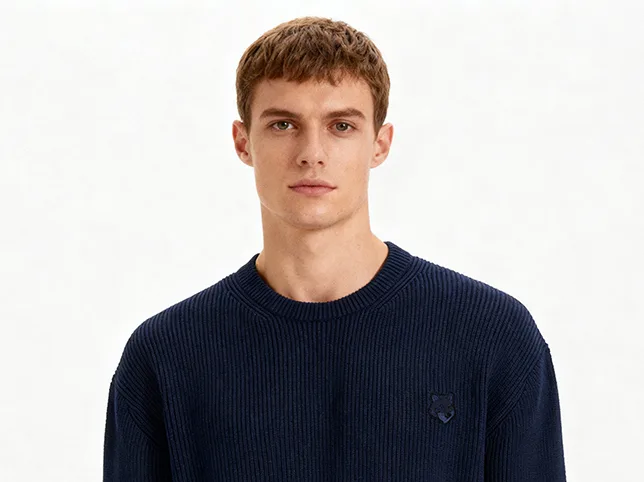
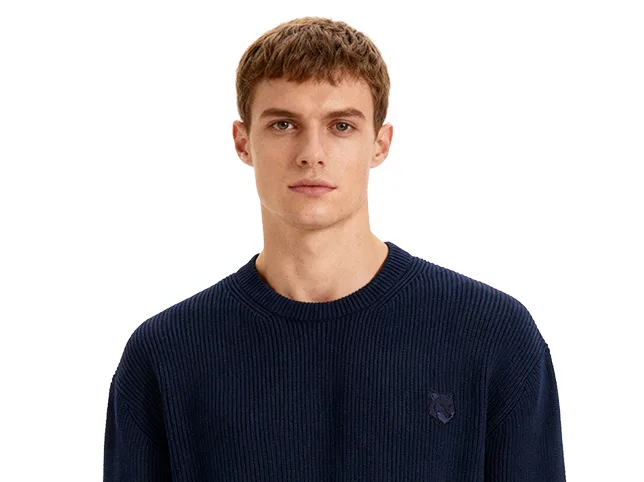
The best-converting images in a boutique and the fiddliest to edit. Hair against a busy background, a garment that must not be reshaped and a room that needs cleaning without touching the person — all done by hand so the clothing stays the subject.
- Model and garment separated by hand
- Hair masked rather than clipped
- Background cleaned or replaced
- Skin and garment both kept natural
How this is done: Apparel Editing
Try it on 3 imagesHangers Out, Shape In
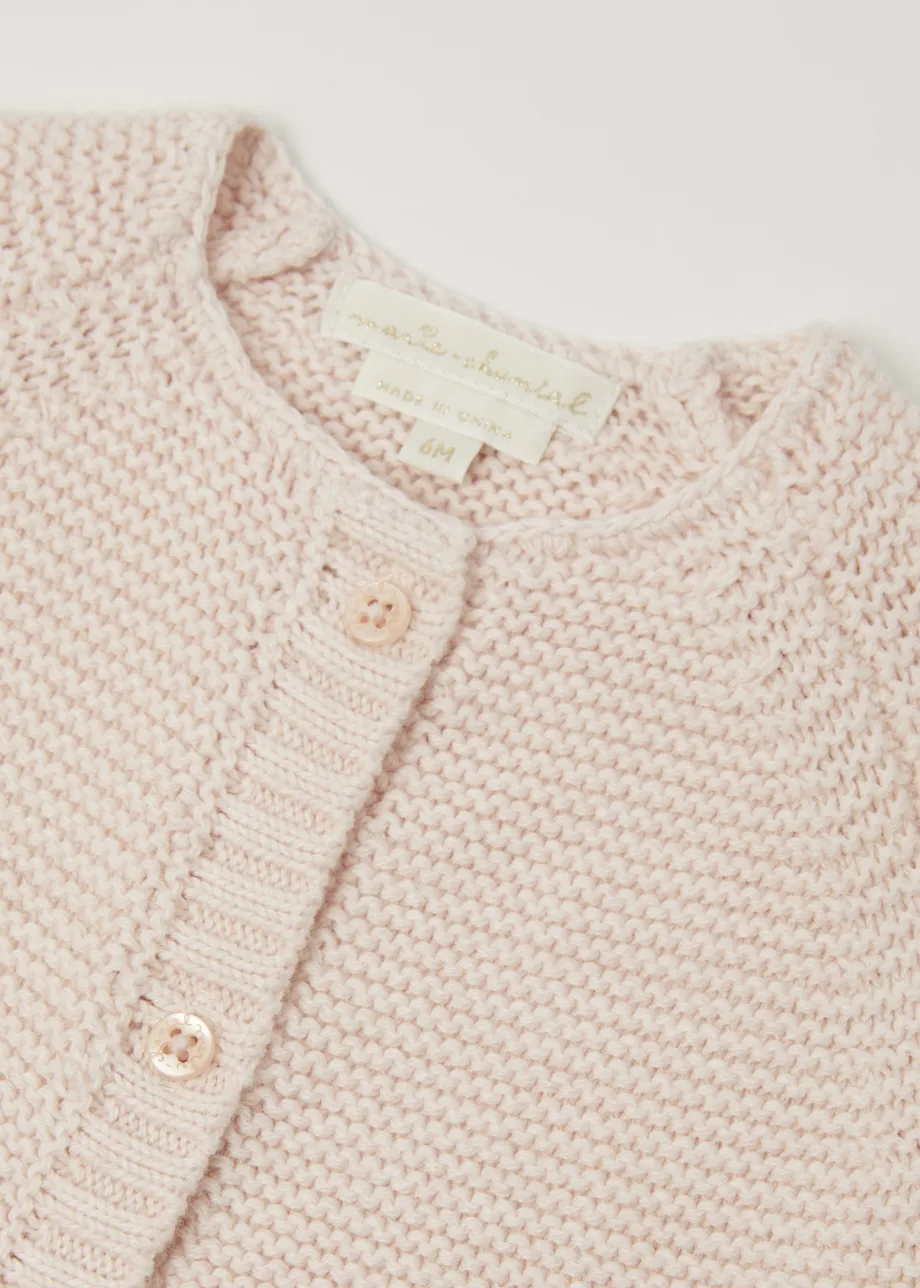
Half a boutique catalogue is photographed on a hanger because there is no model budget. The hanger comes out and the garment’s interior is composited back in, so the piece holds its own shape on white instead of drooping from an invisible hook.
- Hanger and mannequin removed
- Garment interior composited back in
- Neck, sleeve and hem joints built
- Shape symmetrical and shoulders squared
How this is done: Ghost Mannequin
Try it on 3 imagesPrints, Florals and Small Accessories
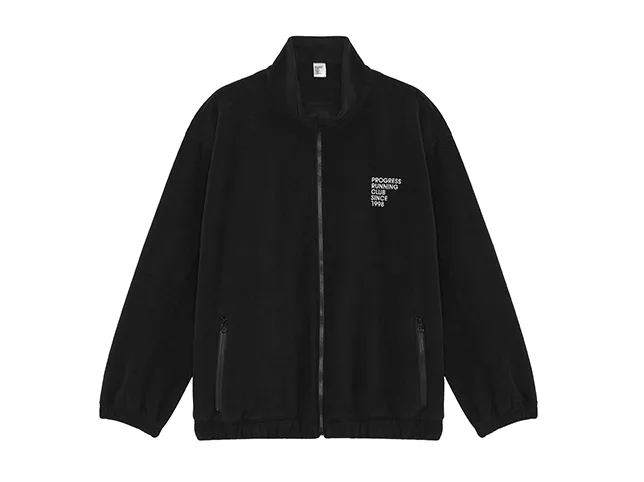
A busy floral on a soft-brimmed hat is two difficulties in one object: the print must not muddy when the piece is lifted off its background, and the brim has no straight edge anywhere to cut along. Both are handled by hand, because an automatic selection follows the pattern rather than the shape and leaves the brim looking bitten.
- Print kept crisp through the cut-out
- Curved and irregular brims followed by hand
- No pattern bleed at the edge
- Small accessories framed to sit level in the grid
How this is done: Colour Change
Try it on 3 imagesCreases, Threads and Fabric Cleanup
Stock arrives folded and gets photographed the same afternoon. Fold lines, loose threads and lint are removed so the piece looks like something worth its price, while the weave and the drape stay exactly as they are.
- Fold creases eased out
- Loose threads and lint removed
- Weave and drape untouched
- Applied consistently across the season
How this is done: Apparel Editing
Try it on 3 imagesVelvet, Satin and Anything That Catches Light
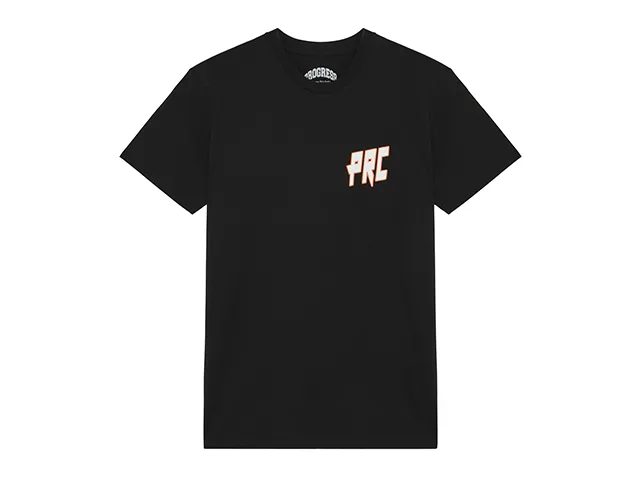
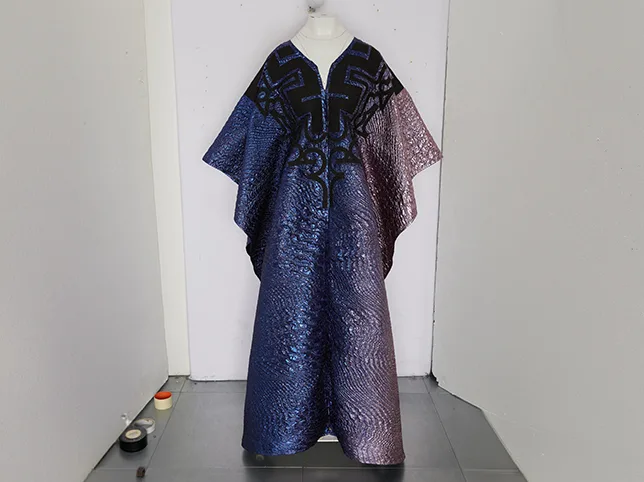
Velvet is the hardest fabric to photograph and the easiest to ruin in the edit. The pile reads almost black in shadow and almost silver where the light rakes across it, and lifting the shadows to "fix" it removes the very thing that identifies the fabric. The garment is separated with that range left intact, so the sheen still moves across the piece the way it does in the shop.
- Pile and sheen left as photographed
- Shadows not lifted flat
- Edge found where fabric meets dark background
- Satin highlights kept, not clipped
How this is done: eCommerce Photo Editing
Try it on 3 imagesThe Services a Boutique Bundles
Apparel work, ghost mannequin, colour and the listing edit. Each page carries its own rate and before-and-after.
How a Boutique Season Runs
Set the standard once, then reapply it every season instead of renegotiating it.
-
01
Send the season and point at your best images
Rather than imposing a look, we take the shots you already consider right and write them up as a spec — white point, shadow weight, scale and crop.
-
02
We reconcile the mixed sources
Supplier imagery, your own shoots and phone shots get brought to that one standard, which is the part that stops a curated shop looking like a marketplace stall.
-
03
Hand-edited by a named retoucher
The same person across the season so it stays coherent, with a second editor checking the batch as a group before delivery.
-
04
Delivered, and the spec kept on file
Files come back named and in every size you need. The style guide stays on record so next season matches this one without a conversation.
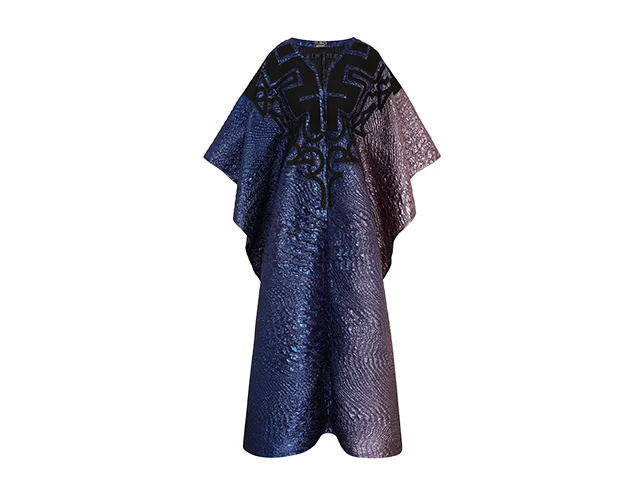
Boutique Work, Before and After
Real client files across the formats a small catalogue actually contains.
Frequently Asked Questions
Can you make wholesale supplier images match my own photographs?
Usually yes, and it is one of the most common boutique jobs. Supplier imagery arrives in a dozen standards, and bringing it to your white point, scale and shadow weight is what stops a curated shop from looking like a marketplace reseller. Where a supplier image is too low-resolution to rescue we will tell you rather than deliver something soft.
We photograph on hangers because we have no model budget. Is that a problem?
No, and it is very common. The hanger is removed and the garment’s interior composited back in so the piece holds its own shape on white — the ghost mannequin technique. It reads far better than a hanging shot and costs a fraction of a model shoot.
Do you have a minimum order or a monthly retainer?
Neither. A single piece is a valid order and a sixty-piece season is priced as sixty images. Discounts start at ten images and reach up to fifty percent above one hundred, so a seasonal batch naturally qualifies without you committing to anything ongoing.
How do you keep next season looking like this one?
The style guide we write from your existing images stays on file. When the next season arrives it is applied to the new stock, usually by the same retoucher, so the shop keeps one look instead of resetting every few months. You do not have to re-explain anything.
Can you handle on-model, flat-lay and hanging shots together?
Yes, and treating them as one job rather than three is the point. Each format needs different handling, but they are graded and scaled against the same standard so they sit together in a collection page. That coherence is what most boutiques are actually missing.
Will you reshape the garment or the model?
No. Fit and body shape are left alone — we clean fabric, remove creases and threads, and fix the background and colour. Reshaping a garment produces a listing the piece cannot live up to, and reshaping a person is not something we do at all.
How is this different from your apparel photo editing service?
The apparel service page explains each technique and its rate. This page is about the boutique constraint: a small catalogue built from mixed sources across several shoot days, where consistency matters more than any individual technique. Every row above links back to the service that does the actual work.
How do I test it?
Send three pieces from three different sources — one of your own shots, one supplier image and one phone photograph. If those three come back looking like they belong in the same shop, the rest of the season will too. Free, no card, no account.
Industries We Also Edit For
Different way of selling, different brief. Same price list and the same production floor.
Send Three Pieces From Three Different Shoots
That mix is the real test for a boutique, and it takes one look at the three files together to judge the answer.