Outdoor jewelry photography is like catching lightning in a bottle—it transforms your pieces into captivating stories, bathed in natural light that enhances their sparkle and allure. Whether you’re an eCommerce seller aiming for Etsy or Shopify success, a jeweler showcasing custom designs, or a hobbyist chasing creative shots, shooting outdoors can elevate your images from ordinary to extraordinary. The challenge? Tiny subjects, reflective metals, and unpredictable light demand precision to avoid glare, blur, or flat results.
In this guide, we’ll walk you through mastering outdoor jewelry photography, from planning your shoot to post-processing for that professional polish. You’ll learn optimal camera settings, how to harness natural light, and creative styling tips to make your pieces pop against nature’s backdrops. Expect actionable steps, gear recommendations, and fixes for common pitfalls—all tailored to create scroll-stopping images that drive clicks and conversions. Let’s dive in and make your jewelry shine under the open sky.
Planning & Pre-Shoot Preparation for Outdoor Jewelry Photography
A great outdoor jewelry shoot starts with intention. Here’s how to set the stage for success.
1. Defining Style & Brand Aesthetic
Your photos should scream you—whether that’s luxurious elegance, boho vibes, or minimalist chic. Define your target audience (e.g., high-end buyers, eco-conscious shoppers) and align your aesthetic:
- Mood: Want regal gold necklaces glowing in golden hour light or earthy gemstones nestled on moss? Pinpoint the vibe.
- Color Palette: Match metals (silver, rose gold) and gems (emerald, sapphire) to complementary tones—think neutral grays or soft greens for versatility.
- Props: Select textures like linen, slate, or driftwood that enhance without stealing focus. Create a Pinterest board for inspiration.
2. Selecting Jewelry Pieces
Not every piece thrives outdoors. Choose wisely:
- Clean & Polish: Use a microfiber cloth to remove fingerprints; for gems, a quick ultrasonic clean ensures sparkle.
- Pick Standouts: Prioritize pieces with unique finishes (hammered, brushed), vibrant gemstones, or intricate details like filigree. These catch light and draw eyes.
3. Choosing Time of Day & Weather Conditions
Timing is everything in outdoor photography and specially for jewelry:
- Golden Hour: Shoot at sunrise or 1–2 hours before sunset for warm, soft light that flatters metals and adds glow to gems. Shadows are gentle, reducing harsh contrasts.
- Overcast Skies: Light cloud cover acts like a natural diffuser, softening light for even illumination—ideal for mid-morning shoots.
- Avoid Midday Sun: Noon light creates harsh shadows and blown highlights, washing out delicate details like engravings.
4. Gear & Accessories
You don’t need a fortune in equipment, but the right tools make a difference:
- Camera: A DSLR/mirrorless (e.g., Canon EOS R50, $679) or even a high-end smartphone (iPhone 14 Pro with macro mode) works. Pair with a macro lens (e.g., 100mm f/2.8, ~$699) for close-up clarity.
- Tripod: Essential for stability—Manfrotto Compact Action ($90) is budget-friendly.
- Reflectors/Diffusers: Use 5-in-1 reflector kits ($20) or white foam boards ($5) to bounce light or soften glare. Translucent fabric ($10) works as a scrim.
- Props: Natural elements (stones, leaves) or neutral surfaces (white slate, gray linen). Holding wax/putty ($5) secures tiny pieces.
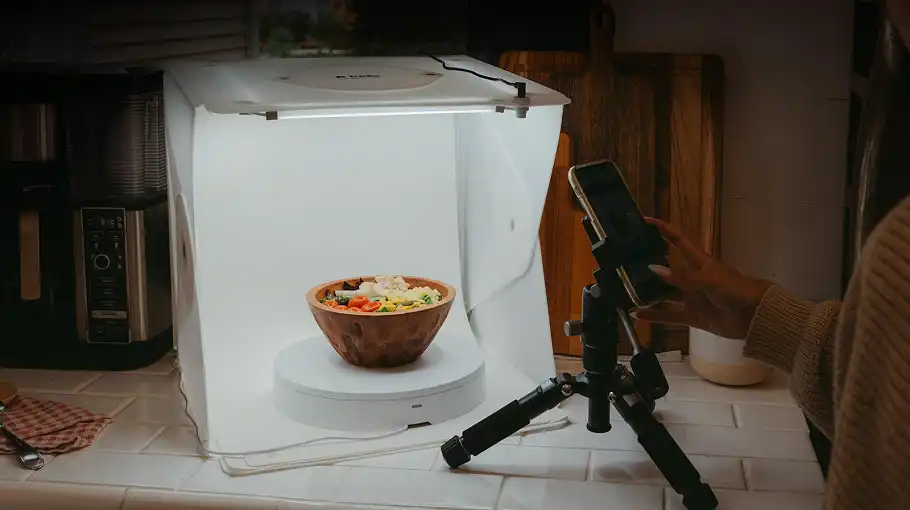
- Extras: Clamps for props, portable light tent ($30) for controlled diffusion.
Light & Exposure Techniques
For jewelry photogaphy outdoor light is your greatest asset—and challenge. Master it with these techniques.
1. Soft Natural Light Techniques
Harsh sunlight kills detail; soften it for brilliance:
- Shade: Position under trees, awnings, or overhangs for bright, even light without glare. A shaded porch is perfect for consistent results.
- Diffusion: Hold a translucent white sheet or scrim ($15) above jewelry to scatter harsh rays. Portable diffusers (22-inch, $20) are game-changers for on-location shoots.
2. Backlighting & Side Lighting
Strategic light placement adds dimension:
- Backlighting: Position light behind the jewelry (e.g., sun through leaves) for a glowing halo effect on translucent gems like opals. Use f/11 to keep edges sharp.
- Side Lighting: Angle light at 45° to highlight textures like hammered silver or gem facets. Reflectors fill shadows for balanced depth.
3. Controlling Reflections & Unwanted Glare
Shiny surfaces are reflection magnets—tame them:
- Camera Positioning: Angle your lens 30–45° from reflective surfaces to minimize direct glare. Test multiple angles.
- Polarizing Filter: A circular polarizer ($40) cuts 90% of reflections on metals/gems—screw onto your lens and rotate for effect.
- Bounce Cards: White foam boards ($5) or small mirrors ($10) redirect light to soften shadows without adding hotspots.
4. Setting Camera Exposure
Manual mode is king for precision:
- Aperture: f/11–f/16 for deep depth of field, ensuring entire pieces (e.g., long necklaces) stay sharp. Drop to f/5.6 for selective focus on single gems.
- ISO: 100–200 for noise-free clarity. Bump to 400 in shade, but avoid higher to preserve gemstone detail.
- Shutter Speed: 1/125s base with tripod; slower (1/15s–1s) for low light. Use remote shutter ($15) to eliminate shake.
- White Balance: Set custom Kelvin (5000–6500K for daylight). Use a gray card ($10) for accurate metal/gem colors—auto WB often misreads outdoor tones.
Shoot RAW for maximum post-processing flexibility.
Composition & Styling Outdoors
Great settings for jewelry photos mean nothing without compelling visuals. Here’s how to frame and style.
1. Background Selection
Your backdrop should enhance, not compete:
- Natural Elements: Wood grain, river rocks, or moss complement earthy jewelry. Avoid busy patterns (e.g., dense foliage) that distract.
- Neutral Surfaces: Slate tiles or beige linen keep focus on the piece. Black velvet adds drama for diamonds.
- Contrast: Pair light metals (silver) with dark backgrounds (charcoal stone); dark gems (onyx) with light (sand).
2. Props & Context
Add storytelling without clutter:
- Lifestyle Props: Arrange leaves, shells, or linen swatches for organic vibes. A single flower can evoke romance for bridal pieces.
- Human Touch: Use a hand or model for scale—keep skin tones neutral (avoid bright nail polish). Simple clothing (white blouse) ensures jewelry stands out.
3. Angles & Details
Capture every facet:
- Angles: Shoot overhead (0°) for flat lays, 45° for dimension, close-ups for engravings or clasps. Aim for 3–5 angles per piece.
- Focus: Manual focus with live view (10x zoom) for pinpoint sharpness on gem facets or textures.
- Composition: Apply rule of thirds—place the jewelry off-center for dynamic balance. Use leading lines (e.g., a chain’s curve) to guide eyes. Leave negative space for a clean, airy feel.
Shooting in Different Outdoor Scenarios
Adapt your approach to nature’s moods.
1. Sunny Days
Bright sun is tricky but manageable:
- Tactics: Seek shade or use a diffuser to soften light. Position reflectors to fill shadows. Shoot at f/13, ISO 100, 1/200s.
- Avoid: Direct midday sun—harsh shadows obscure details.
2. Cloudy / Overcast Days
Nature’s softbox—perfect for jewelry:
- Tactics: Shoot mid-morning for even, diffused light. f/11, ISO 200, 1/125s. No diffusers needed; reflectors boost brightness.
- Pro Tip: Overcast skies enhance pastel gems like aquamarine.
3. Backdrops in Nature
Match environment to style:
- Forests: Mossy logs or bark for rustic pieces; f/16 for deep focus.
- Beaches: Sand or shells for coastal vibes; watch for wind (use clamps).
- Urban: Stone walls or concrete for modern, minimalist jewelry. f/8 for selective focus.
4. Models vs. Static Shots
- Models: Pros—adds relatability, shows scale/wearability. Cons—higher cost, potential distraction. Style minimally (neutral tones, simple poses).
- Static: Pros—budget-friendly, full focus on jewelry. Cons—lacks human context. Use props for storytelling.
Post-Processing & Retouching
Outdoor shots need polish to compete with studio work.
1. Color Correction & White Balance
- Goal: True-to-life metals (gold stays warm, silver cool) and gem colors (ruby’s red, not pink).
- How: In Lightroom, adjust WB sliders (Temp: 5000–6500K). Use eyedropper on gray card for precision.
2. Cleaning Up
- Fixes: Remove dust, scratches, or fingerprints in Photoshop (Spot Healing Brush). Zoom to 100% for micro-flaws.
- Tip: Check for lens flares from outdoor light—Clone Stamp tool erases them.
3. Sharpening & Contrast
- Sharpen: Apply Unsharp Mask (Amount: 50–100%, Radius: 1–2px) to enhance facets without halos.
- Contrast: Boost via Curves for sparkle—lift highlights, deepen shadows slightly.
4. Cropping & Background Refinement
- Crop: Tight for detail shots (e.g., ring prongs); wider for lifestyle context.
- Background: Smooth distractions (e.g., Healing Brush for stray leaves). Ensure uniform tones for catalog consistency.
5. Consistency Across Shots
- Batch Edit: Apply Lightroom presets for uniform WB, exposure, and contrast. Sync settings across 20+ images for cohesive galleries.
- Check: Review on calibrated monitor to avoid color shifts.
Common Mistakes & How to Avoid Them
Avoid these traps to save time and frustration:
- Overexposed Highlights: Meter for midtones, not gems. Check histograms for clipped whites.
- Harsh Shadows: Use diffusers or shade to soften light. Reflectors fill dark areas.
- Distracting Backgrounds: Scout simple, non-cluttered settings. Blur backgrounds with f/8 if needed.
- Inaccurate Colors: Set custom WB; shoot RAW for fixes.
- Blurry Shots: Always tripod-mount; use remote shutter or 2s timer.
- No Scale: Include a hand or ruler in one shot to show size.
Advanced Tips & Creative Techniques
Push your outdoor shots to the next level:
- Macro Mastery: Use extension tubes ($50) for ultra-close gemstone shots; f/11, ISO 100, stack 10–20 images.
- Reflective Surfaces: Place jewelry on small mirrors or near water for dreamy reflections—watch angles to avoid camera glare.
- Motion: Capture wind-blown leaves or water droplets near pieces for dynamic shots; 1/250s shutter freezes action.
- 360° Views: Shoot multi-angle sequences for interactive eCommerce listings—use turntables ($30).
- Mixed Lighting: Combine flash (1/4 power) with golden hour light for controlled sparkle; test at f/13.
Conclusion: Make Your Jewelry Shine Outdoors
Outdoor jewelry photography blends art and strategy—golden hour light, f/11–f/16, ISO 100, and thoughtful props create images that captivate buyers. From diffused shade to polished post-processing, these techniques ensure your pieces sparkle with authenticity. Experiment with angles, backdrops, and creative reflections to find your signature style.
Ready to shoot? Grab your tripod, scout a shaded spot, and test these settings on your next piece. Share your results or questions below—we’d love to see your sparkle! Download our free outdoor jewelry photography checklist to streamline your next shoot.