The best prime lens for fashion photography is usually a 50mm or an 85mm. A 50mm keeps body proportions natural for full-length and lookbook work, and an 85mm adds the background compression and subject separation that make beauty and portrait frames look expensive. A 35mm earns its place for environmental editorials, and a 135mm is the specialist choice for runway and outdoor campaigns.
That is the short answer. The longer one comes from where we sit. At Pixel Retouching we have retouched fashion work for photographers, brands and independent designers for years, and every file that reaches our desk carries the fingerprint of the lens that made it. We see which lenses give us clean skin texture to work with, which ones leave purple fringing along a white collar, and which ones flatten a model’s face so badly that no amount of liquify will fix it honestly. This guide picks lenses by that standard: not just how they test on a chart, but how their files hold up in post-production.
What the lens changes in a fashion image
Before the list, it helps to know what you are actually buying. In fashion, the lens decides five things that retouching can only partly repair.
- Proportion and perspective. Shoot a full-length look at 35mm from too close and the legs shorten, the head grows and the garment’s hemline distorts. At 50mm to 85mm the body reads the way the designer cut the clothes for it.
- Background compression. Longer focal lengths pull the background closer and make it larger behind the model, which is why an 85mm or 135mm street shot looks like a campaign and a 24mm shot looks like a snapshot.
- Bokeh and focus falloff. Wide apertures such as f/1.2 and f/1.4 blur the background, but the quality of that blur matters. Smooth, round out-of-focus highlights look premium. Busy, nervous bokeh draws the eye away from the outfit.
- Fabric and skin detail. Sharp modern primes resolve the weave of a knit, the grain of leather and the pores on a cheek. That detail is what a retoucher protects. A soft lens forces us to sharpen, and sharpening amplifies noise and makeup flaws along with the texture.
- Colour and contrast. Coatings and glass affect colour cast, flare and microcontrast. When a brand needs the red of a dress to match the swatch, a lens with a neutral rendering saves real time in colour correction.
The best prime lenses for fashion photography
Prices below were correct at the time of writing and change often, so check the retailer before you buy.
1. Sony FE 50mm f/1.2 GM
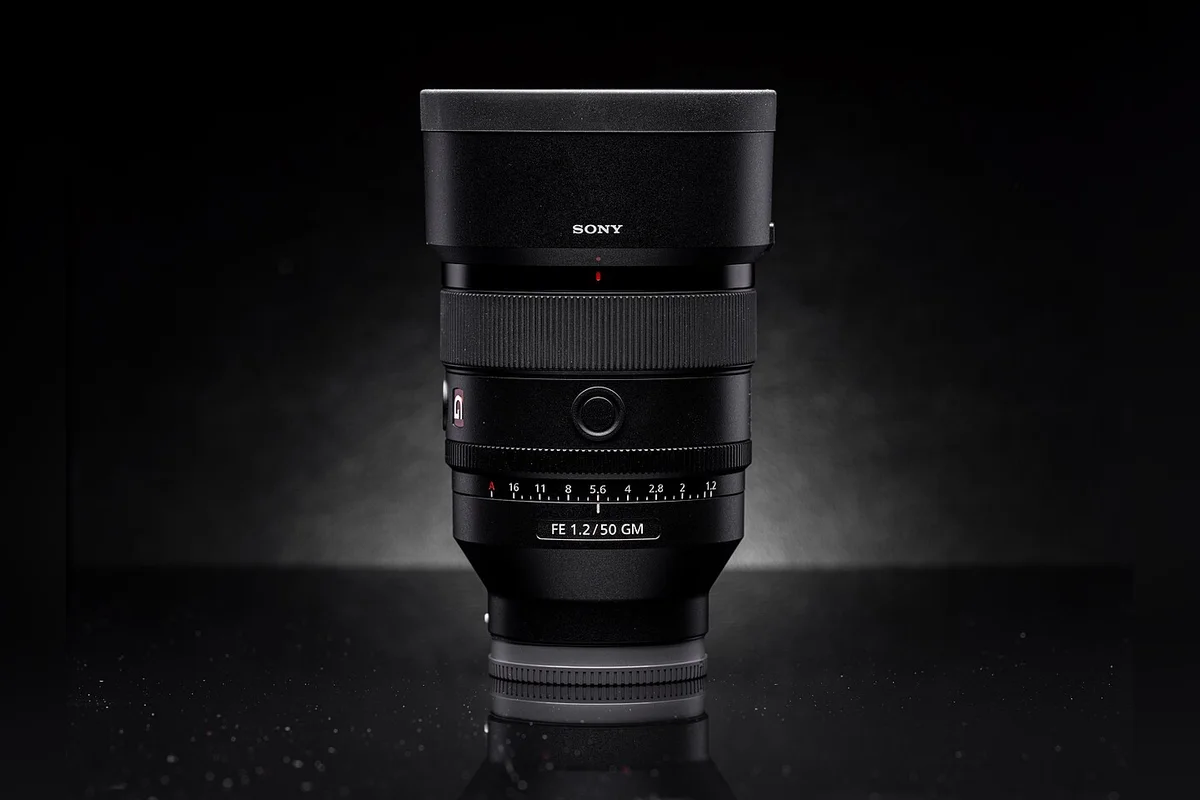
Best for: lookbooks, full-body studio fashion and natural-light editorials.
Price: around $2,298.
The 50mm field of view sits close to human vision, so a full-length frame looks honest: the model’s height, the drape of a coat and the length of a skirt all read correctly. Sony’s G Master glass adds extreme sharpness and soft, even bokeh wide open. It is sold through retailers such as B&H Photo.
What we see in post: files from this lens are some of the easiest lookbook sets to batch. Corners stay sharp and vignetting is mild, so a 60-look shoot keeps a consistent tone from frame to frame. Our tip: at f/1.2 the depth of field on a full-length shot is still generous, but on a three-quarter crop it gets thin. Stop to f/2 or f/2.8 when the whole outfit needs to be crisp.
2. Canon RF 85mm f/1.2 L USM DS
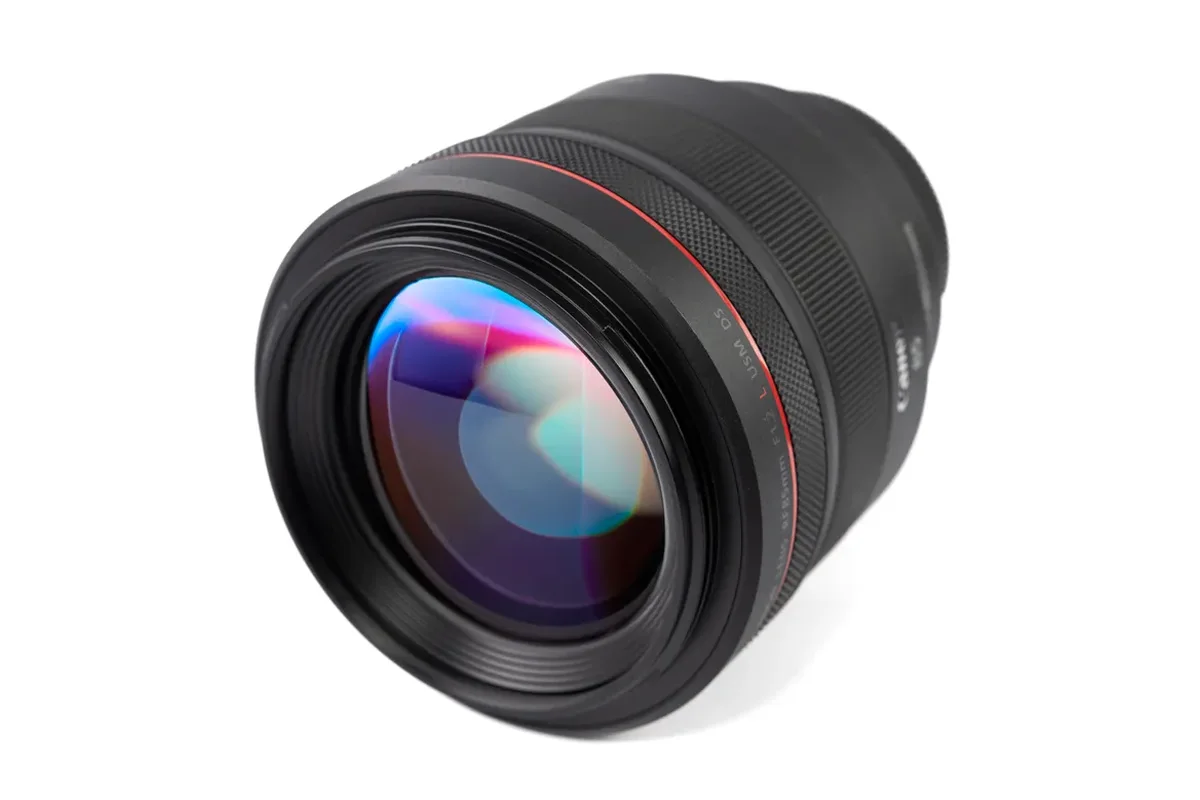
Best for: high-fashion beauty shots and tight portraits.
Price: around $3,299.
85mm is the classic fashion portrait length. It flatters facial features, slims slightly, and separates the model from the background with strong compression. The DS version adds Canon’s Defocus Smoothing coating, which gives an unusually dreamy, creamy bokeh. It is available directly from Canon.
What we see in post: the DS coating costs some light, so photographers often push ISO indoors, and we see a touch more noise in the shadows of beauty files. That is easy to manage. The real advantage is that out-of-focus hair and shoulders melt away so smoothly that background clean-up around flyaway hair takes less time.
3. Nikon AF-S NIKKOR 85mm f/1.4G
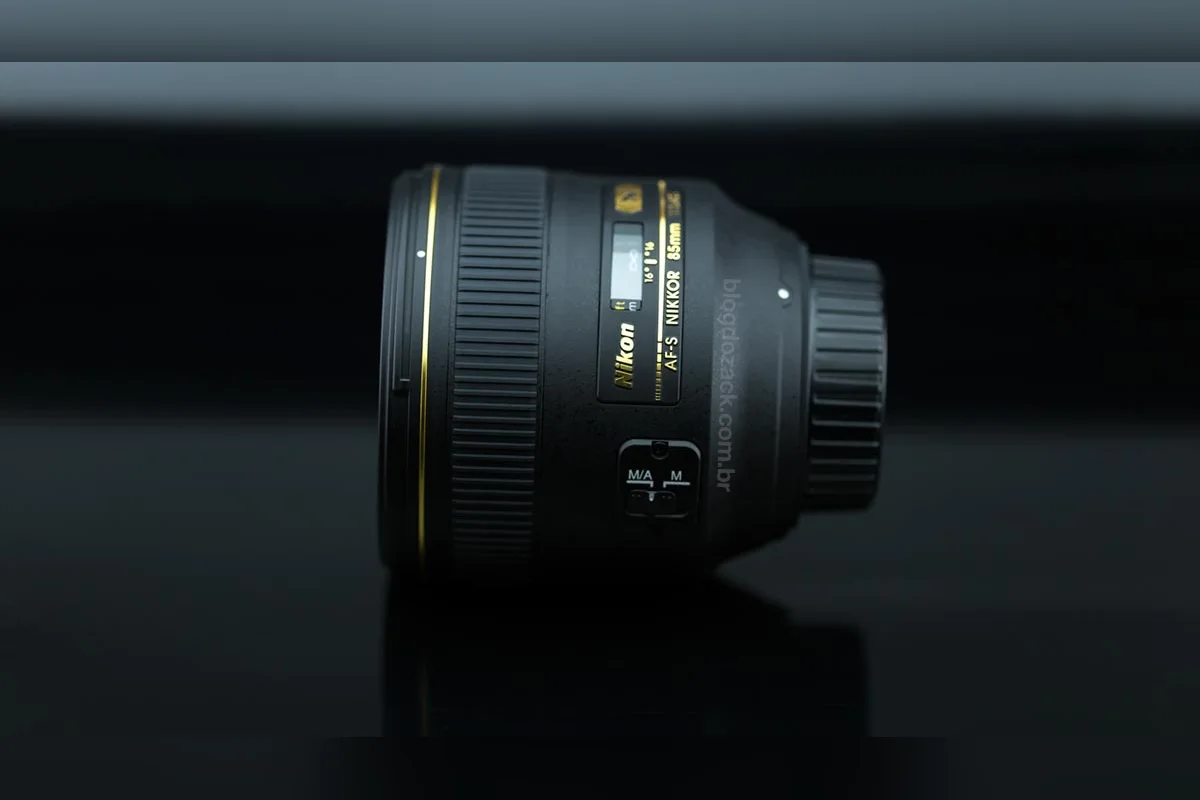
Best for: classic portraiture and subject isolation.
Price: around $1,679.99.
A bright f/1.4 aperture and a nine-blade rounded diaphragm give smooth background rendering and good low-light performance. It is a DSLR lens, but it still works well on Nikon Z bodies through the FTZ adapter, which makes it a sensible way into professional 85mm rendering for less money.
What we see in post: older fast primes like this one can show longitudinal chromatic aberration wide open: green fringes behind the focus point and magenta ones in front, especially on jewellery, sequins and white shirt collars against dark backgrounds. We remove it during retouching, but stopping down to f/2 avoids most of it in camera.
4. Fujifilm Fujinon XF 35mm f/2 R WR
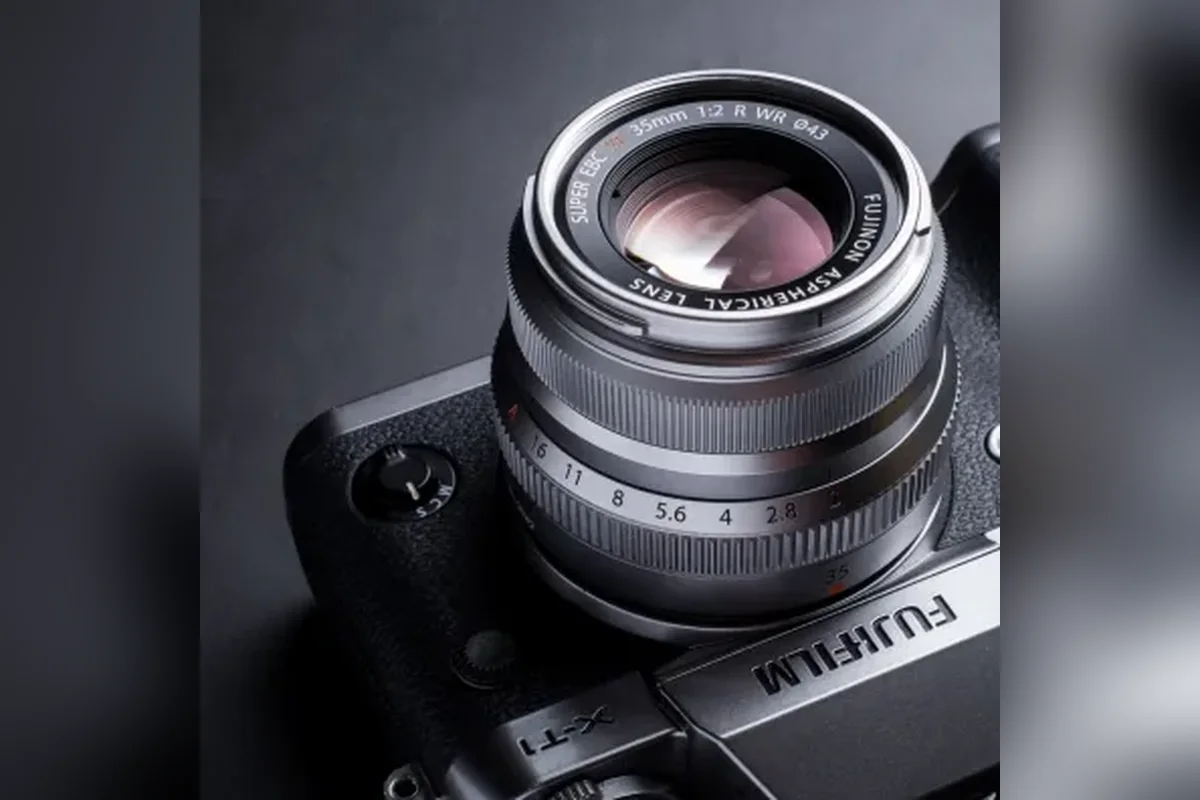
Best for: environmental editorials, street style and backstage shooting.
Price: around $449.95.
On Fujifilm’s APS-C sensor this lens gives roughly a 53mm full-frame field of view, so it behaves like a normal lens in a tiny, weather-sealed body with quick autofocus. It is light enough to carry all day backstage and quiet enough not to distract a model.
What we see in post: files are clean and contrasty with pleasant colour, which suits editorial grading. Because it is a smaller sensor, background blur is gentler than on full-frame f/1.2 glass, so the location matters more. When the background is busy, clients often ask us to soften or tidy it afterwards. Choose a clean wall or street and you will save that step.
5. Sony FE 85mm f/1.4 GM II
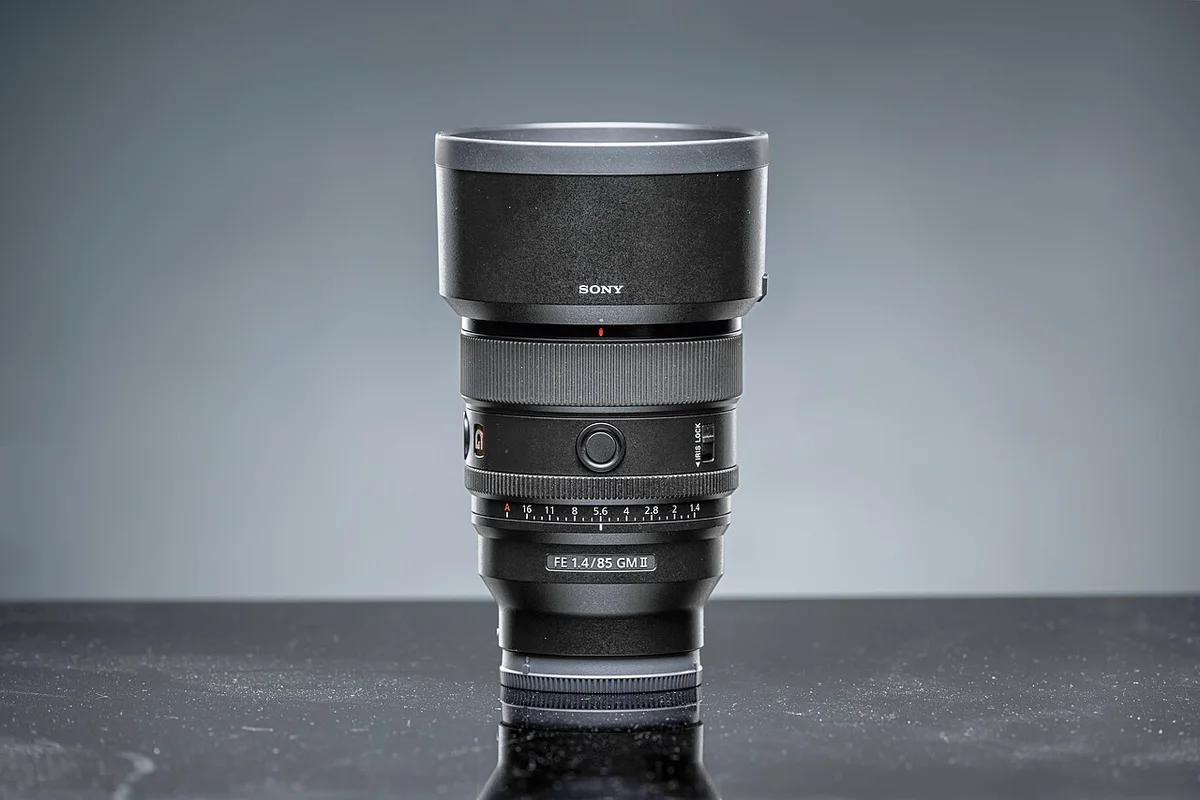
Best for: campaign portraits and fast-moving model sessions.
The second-generation G Master 85mm is noticeably lighter than the original and focuses much faster, which matters when a model is walking, turning or moving fabric. Eye autofocus on modern Sony bodies locks on reliably even at f/1.4.
What we see in post: the biggest retouching cost on fast fashion sessions is missed focus. When the eyelashes are soft and the earring is sharp, there is no fix; the frame is gone. Faster, more accurate focus means more keepers, which means the client chooses on expression and styling, not on which frame happens to be sharp.
6. Canon RF 50mm f/1.2 L USM
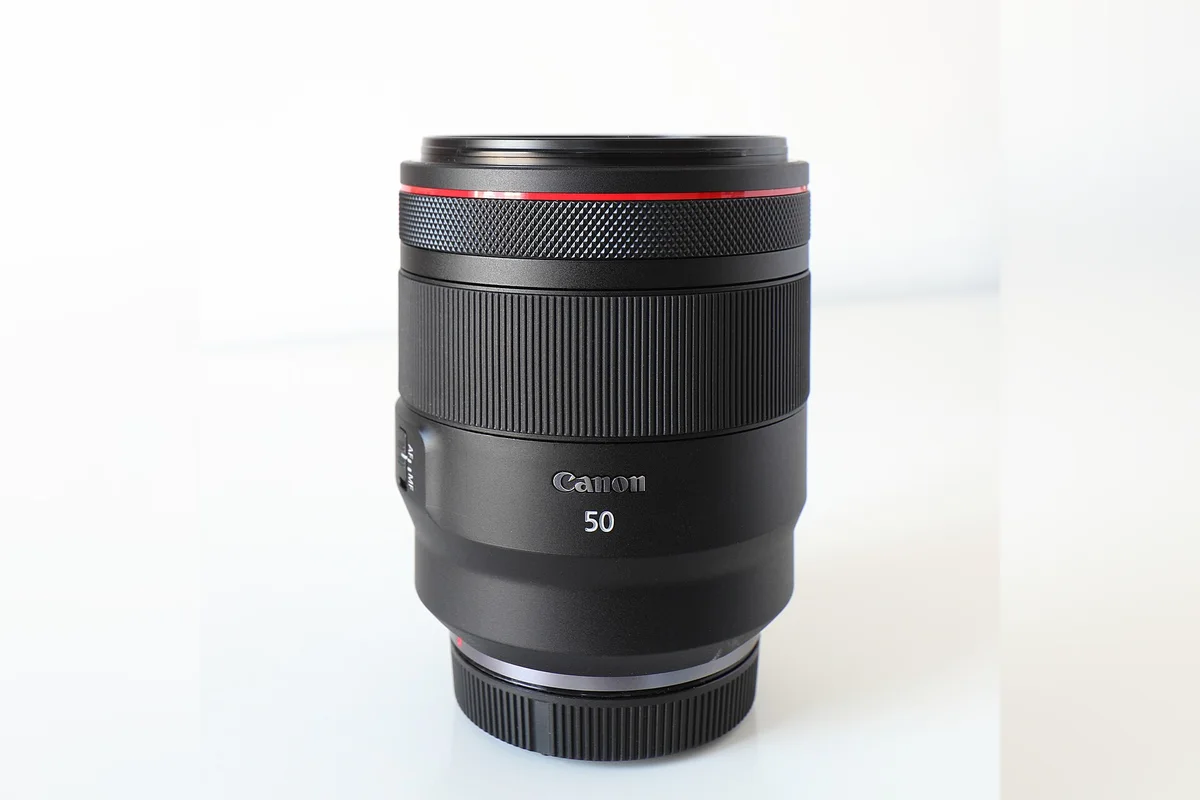
Best for: editorial full-length and three-quarter frames on Canon.
Canon’s flagship 50mm is heavy, but it is one of the sharpest wide-aperture normal lenses made, with very well controlled fringing. For Canon shooters who want the natural 50mm perspective of the Sony GM above, this is the equivalent.
What we see in post: fine fabric detail survives even at f/1.2, so tweed, lace and knitwear keep their texture without extra sharpening. That is important, because over-sharpened fabric looks crunchy and cheap on an eCommerce listing.
7. Nikon NIKKOR Z 85mm f/1.2 S
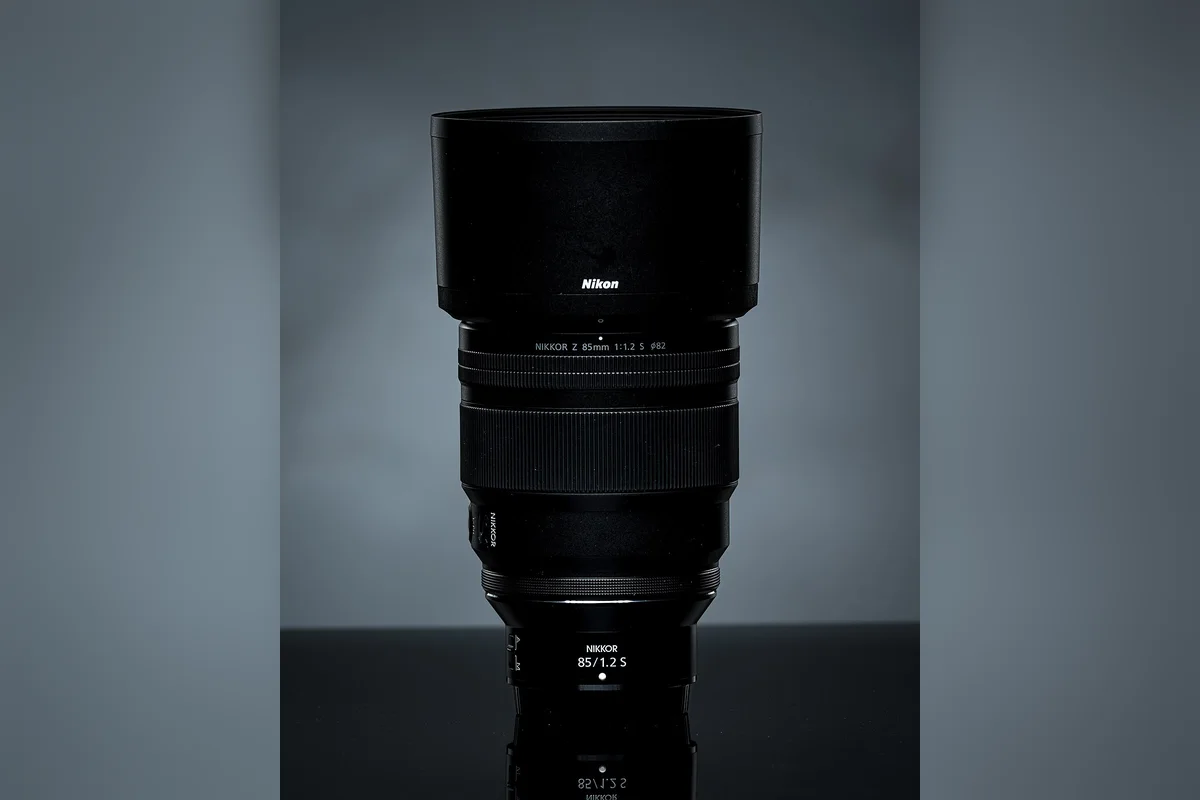
Best for: beauty close-ups with the softest possible falloff.
Nikon’s f/1.2 85mm for the Z mount is large and heavy, but it renders focus transitions more smoothly than almost anything else at this length. Skin falls from sharp to soft gradually rather than abruptly, which looks natural in beauty work.
What we see in post: smooth falloff keeps our skin retouching honest. When the cheek nearest the camera is crisp and the far cheek softens gently, frequency separation and dodge and burn blend invisibly. Abrupt focus edges are where retouched skin starts looking plastic.
8. Canon RF 135mm f/1.8 L IS USM
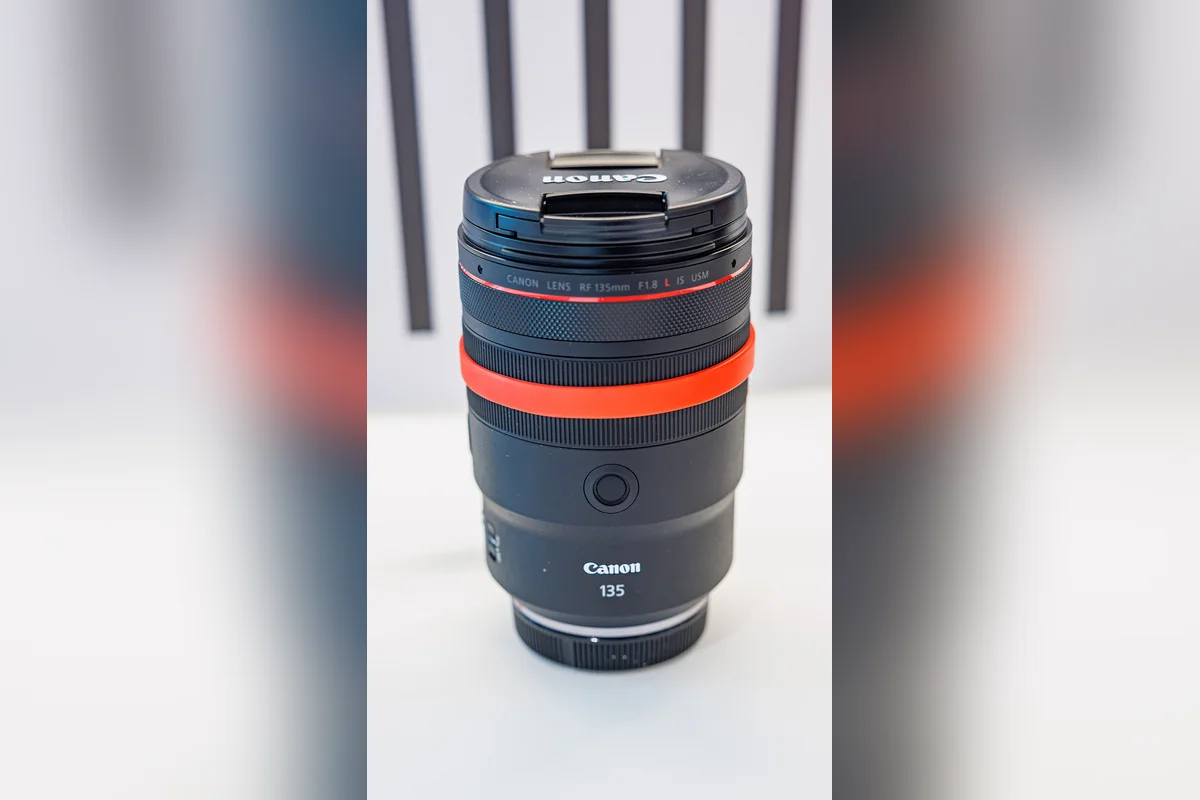
Best for: runway, outdoor campaigns and strong compression.
135mm is where background compression becomes dramatic. A busy street turns into soft colour behind the model, and you can shoot from further away, which many models find more relaxed. Built-in image stabilisation helps handheld shooting outdoors and at shows.
What we see in post: the long working distance makes the face and body look slightly slimmer and very even, so we do less perspective correction. The trade-off is space. In a small studio you simply cannot get far enough back for a full-length look.
Quick comparison
| Lens | Focal length | Widest aperture | Best fashion use |
|---|---|---|---|
| Sony FE 50mm f/1.2 GM | 50mm | f/1.2 | Lookbooks and full-body studio |
| Canon RF 85mm f/1.2 L USM DS | 85mm | f/1.2 | Beauty and tight portraits |
| Nikon AF-S 85mm f/1.4G | 85mm | f/1.4 | Classic portraits on a budget |
| Fujifilm XF 35mm f/2 R WR | 35mm (about 53mm equivalent) | f/2 | Street style and backstage |
| Sony FE 85mm f/1.4 GM II | 85mm | f/1.4 | Fast-moving campaign sessions |
| Canon RF 50mm f/1.2 L USM | 50mm | f/1.2 | Editorial full-length on Canon |
| Nikon Z 85mm f/1.2 S | 85mm | f/1.2 | Beauty close-ups |
| Canon RF 135mm f/1.8 L IS USM | 135mm | f/1.8 | Runway and outdoor campaigns |
How to choose the right focal length for your fashion work
If you shoot lookbooks and eCommerce on models, start with a 50mm. You need the whole outfit in frame without distortion, in a studio that is rarely as large as you would like. If you are not sure whether 35mm or 50mm suits your space, our 35mm vs 50mm lens comparison walks through the difference.
If you shoot beauty, portraits or editorial close-ups, buy an 85mm. It is the most flattering length for faces, and it is the lens we most often see behind the fashion portraits clients send us.
If you shoot street style, backstage or travel editorials, a 35mm keeps the story in the frame. Step back for full-length shots so the edges do not stretch the model.
If you shoot runway or outdoor campaigns, add a 135mm. Distance and compression give you control over messy backgrounds you cannot move.
For flat-lay and on-mannequin garment shots, the needs are different again; see our guide to the best lens for clothing product photography.
What we notice when fashion photos arrive for retouching
After years of editing fashion sets, the same issues come up again and again. Most are lens and technique problems that are cheaper to avoid on set than to fix afterwards.
- Wide-open by default. f/1.2 is beautiful for a portrait, but a full outfit shot at f/1.2 often has a sharp face and soft shoes. If the brand is selling the shoes, that frame does not work.
- Chromatic fringing on high-contrast edges. White shirts against black backdrops, metallic hardware and sequins show colour fringes on fast lenses. Stopping down one stop helps a lot.
- Distortion from shooting too close. A 35mm used at arm’s length for a full-length look gives oversized heads and short legs. We can correct some of this, but heavy correction stretches the garment pattern.
- Inconsistent colour across a set. Swapping between lenses from different makers mid-shoot often changes the colour cast slightly. For a lookbook where every image sits side by side, that inconsistency stands out. Stick to one lens family per set, and shoot a grey card when you change.
- Over-sharpened texture. Softer lenses tempt photographers to add heavy sharpening in-camera or in Lightroom. That makes skin and fabric look harsh, and it is hard for us to undo.
A great lens gets the image most of the way. The final step to a professional fashion image is still retouching: natural skin work that keeps texture, accurate garment colour, cleaned-up backgrounds, stray hair and lint removed, and consistent tone across the whole set. If you are a designer working on a budget, our page on photo editing for independent fashion designers explains how we handle both lookbook and listing finishes from one shoot, and this guide explains why you need both.
Frequently asked questions
Is 50mm or 85mm better for fashion photography?
Use 50mm for full-length and lookbook work, where you need natural proportions in limited space. Use 85mm for portraits, beauty and half-length frames, where compression and background separation flatter the model. Many fashion photographers carry both.
Do I need an f/1.2 lens for fashion?
No. f/1.2 gives the most background blur and the best low-light performance, but most fashion images are shot between f/2 and f/5.6 so the garment stays sharp. An f/1.4 or f/1.8 prime is enough for most working photographers and is usually lighter and cheaper.
Why use a prime lens instead of a zoom for fashion?
Primes are usually sharper, brighter and lighter than zooms of the same quality, and they render bokeh more smoothly. A fixed focal length also gives a consistent look across a set. Zooms like a 24-70mm f/2.8 remain useful when you need speed and flexibility at events and shows.
What focal length is most flattering for models?
Between 85mm and 135mm on full frame. These lengths keep facial features in natural proportion and slightly slim the face and body, which is why they are the standard for beauty and fashion portraits.
Can retouching fix problems caused by the lens?
Partly. We routinely remove chromatic aberration, correct mild distortion and vignetting, match colour across lenses and clean up backgrounds. What retouching cannot honestly fix is missed focus or severe perspective distortion, so those are worth getting right in camera.
Want to see how your fashion images look after professional retouching? Send us a few photos for a free trial and we will edit them to your brief.