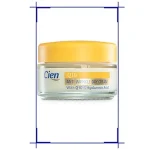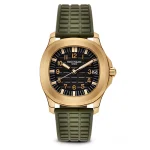

An agency wins a client with forty products and a launch date. The photography is booked. The retouching is the part nobody costed, and it is now sitting between the shoot and the deadline with no one assigned to it.
White label retouching is how that gets solved without hiring: the work is produced by a studio and delivered under the agency’s name. Here is how the arrangement actually works, what it costs, and the parts of it that go wrong.
The images here are not AI output. Every before and after is real client work retouched by hand at Pixel Retouching. Drag the handle on any of them to see what is being described.
What is white label photo editing?
White label photo editing is retouching produced by one studio and delivered to the end client under another company’s name, with no reference to the studio in the files, the emails or the deliverables. The agency owns the client relationship, sets the brief and the price; the studio supplies capacity and specialist skill and stays invisible.
It is the same arrangement print shops and web studios have used for decades, and it exists for the same reason: a client wants one supplier accountable for the whole job, and no agency can staff every specialism a campaign needs.

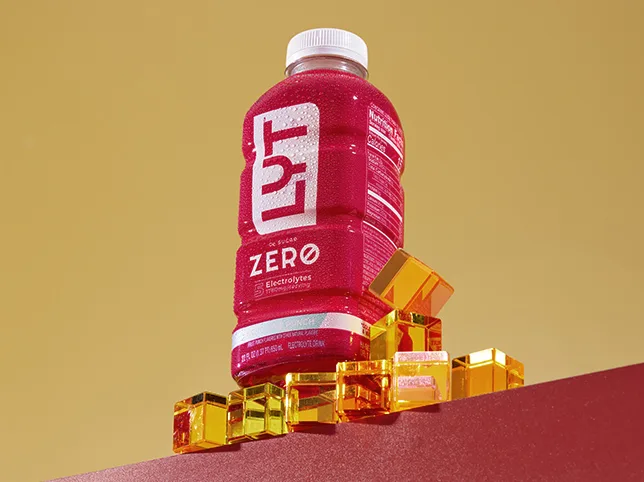
Before
After
A campaign hero frame, finished for an agency’s client. Drag to compare.
Who actually uses it?
- Creative and marketing agencies handling a client’s whole catalogue, where retouching is a line item rather than the offer.
- Photography studios that would rather shoot more days than spend evenings pathing.
- eCommerce and marketplace consultancies whose deliverable is a live listing, images included.
- Print and packaging suppliers who receive client artwork that needs work before it can go on press.
The common thread is that none of them sells retouching. They sell an outcome that happens to contain it.
What does white label retouching cost an agency?
The same per-image rates as anyone else — ours start at $0.30 an image for agency and studio work — with the difference being predictability rather than discount. You know the unit cost before you quote, so retouching becomes a line you can price with a margin instead of a risk you absorb.
Two things are worth getting straight before the first job:
- The rate is per image, not per hour, so a quote to your client can be built from a count rather than an estimate.
- Revisions have a defined boundary. A correction to the agreed brief is a revision. A change of brief is new work. Agreeing that once prevents the argument that otherwise arrives on every project.
How does the work stay anonymous?
Four practical things, and they are worth confirming rather than assuming:
- No metadata. Files carry no studio name in IPTC or XMP, and the layer names do not give it away either.
- Your naming convention, not ours. Files come back named the way your client expects to receive them.
- No contact with your client, ever, in any direction.
- An NDA that covers the relationship, not just the images — so the fact that you outsource is itself confidential.
If a studio hesitates on the fourth, that is the answer to whether they understand white label work.
What does an agency gain beyond capacity?
Three things that hiring one retoucher does not give you.
Volume that does not need a hire
A pitch won on Friday becomes four hundred images on Monday. With a per-image supplier that is a purchase order; with a salaried editor it is a queue and a conversation about overtime.


Before
After
Volume catalogue work, one standard across the batch. Drag to compare.
Specialisms you cannot justify employing
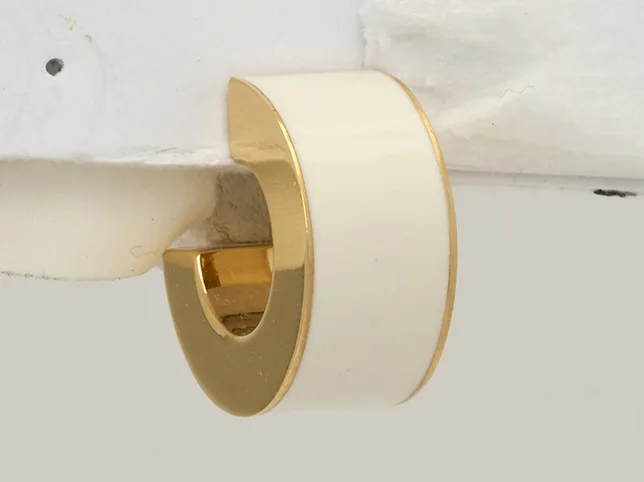
Food, jewellery, fine metal edges and liquid are each their own craft. One generalist retoucher will be good at some of them.

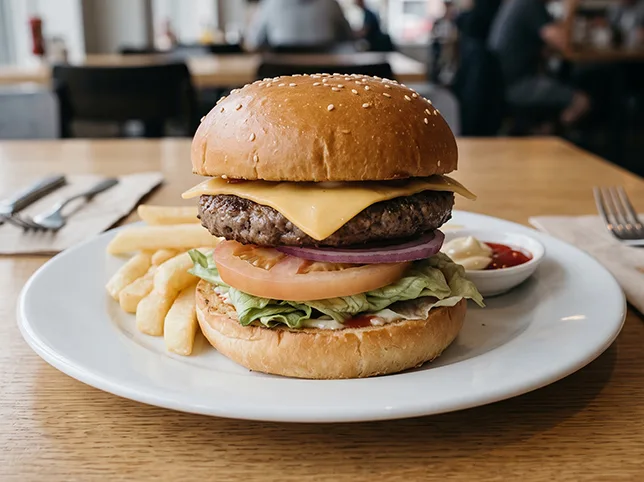
Before
After
Food, finished to campaign standard. Drag to compare.

Before
After
A fine metal edge — a specialism of its own. Drag to compare.
Every format from one edit
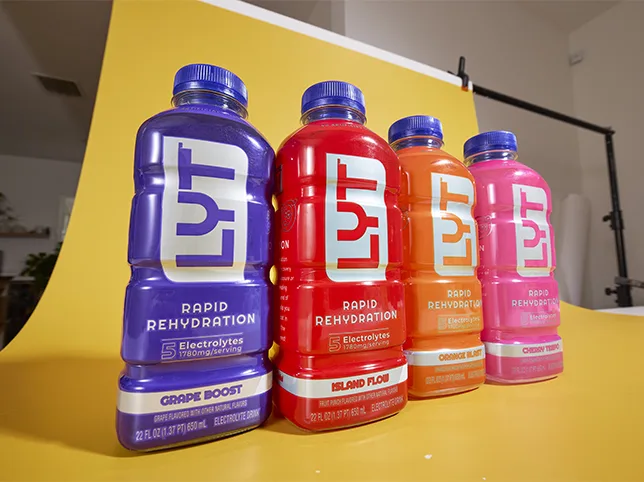
A campaign is rarely one crop. The same asset has to work as a square, a story, a banner and a print placement, and cropping a finished flat image into a banner usually cuts the product in half. Done properly the product stays on its own layer and the canvas is rebuilt per format.

Before
After
One asset, extended to a banner format. Drag to compare.
How do you brief a white label studio?
The brief is the whole relationship. A studio cannot ask your client what they meant, so anything ambiguous gets decided by someone who has never met them.
A workable brief is short and specific:
- Canvas and colour space — dimensions, sRGB or CMYK, file format.
- Background — exact value, not “white”.
- Product-to-frame proportion and alignment.
- Shadow — type, direction, or none.
- Colour reference — an approved image, a swatch, or a Pantone where one exists.
- One approved example, which is worth more than all of the above combined.
Send a reference image the client has already signed off and most of the ambiguity disappears. What is being matched stops being a description and becomes a file.
What goes wrong, and how do you avoid it?
- Drift across a long project. Images edited in March and June stop matching. Fix it by nominating reference files per product family and matching to them rather than to each brief.
- The revision loop. Client feedback arrives as adjectives. Translate it into the spec’s language before passing it on — “raise the black point” rather than “make it pop”.
- A deadline set by your timezone, not theirs. Agree delivery in a named timezone. This is the single most common cause of a job arriving on the right date and the wrong morning.
- Testing on easy files. Every studio passes a simple cut-out. Test on the piece your current process gets wrong.


Before
After
Four colourways from one photograph, in one pass. Drag to compare.
How do you start without risking a client relationship?
Never on live client work. Take three images from a finished project — ones you already know the right answer to — and send those. You will be comparing the result against work you have already approved, which is the only fair test there is.
Then run one real job end to end and watch the things that are not the retouching: whether the brief was followed without needing a second explanation, whether the naming came back right, whether the delivery time held. Those decide whether a supplier is usable at scale. The retouching is usually the easy part.
Test it on work you have already approved
Send three images from a project you have finished — including the difficult one — and we will retouch them free. You will be judging against a standard you already set, under no obligation and with no contact with your client at any point.
Start a free trial — 3 images edited free. No credit card and no account required. Full rates are on the price list.
Frequently asked questions
What does white label photo editing mean?
Retouching produced by one studio and delivered under another company’s name. The agency owns the client relationship, the brief and the pricing; the studio supplies the capacity and stays invisible – no name in the files, no contact with the end client, and an NDA covering the arrangement itself rather than only the images.
How much does white label retouching cost?
The same per-image rates as any other client – ours start at $0.30 an image for agency and studio work. The value to an agency is predictability rather than a discount: a known unit cost means retouching can be quoted with a margin instead of absorbed as a risk.
Will my client know the work was outsourced?
Not if the arrangement is set up properly. Files should carry no studio metadata in IPTC or XMP, use your naming convention, and the studio should never contact your client. Ask for an NDA that covers the relationship, not just the images, so the fact that you outsource is confidential too.
How do you keep a long project visually consistent?
Nominate reference files per product family and match every later batch to them, rather than to each individual brief. Drift across months is the commonest failure on long agency projects, and it happens because each batch is judged on its own instead of against the set.
What should a white label brief contain?
Canvas size and colour space, the exact background value rather than the word white, product-to-frame proportion, shadow type and direction, and a colour reference. One client-approved example image is worth more than all of it, because it turns a description into a file to match.
How should an agency trial a retouching studio?
On three images from a finished project, including the one your current process gets wrong – never on live client work. You are then comparing against an answer you have already approved. Then run one real job end to end and watch the brief, the file naming and the delivery time, not just the retouching.