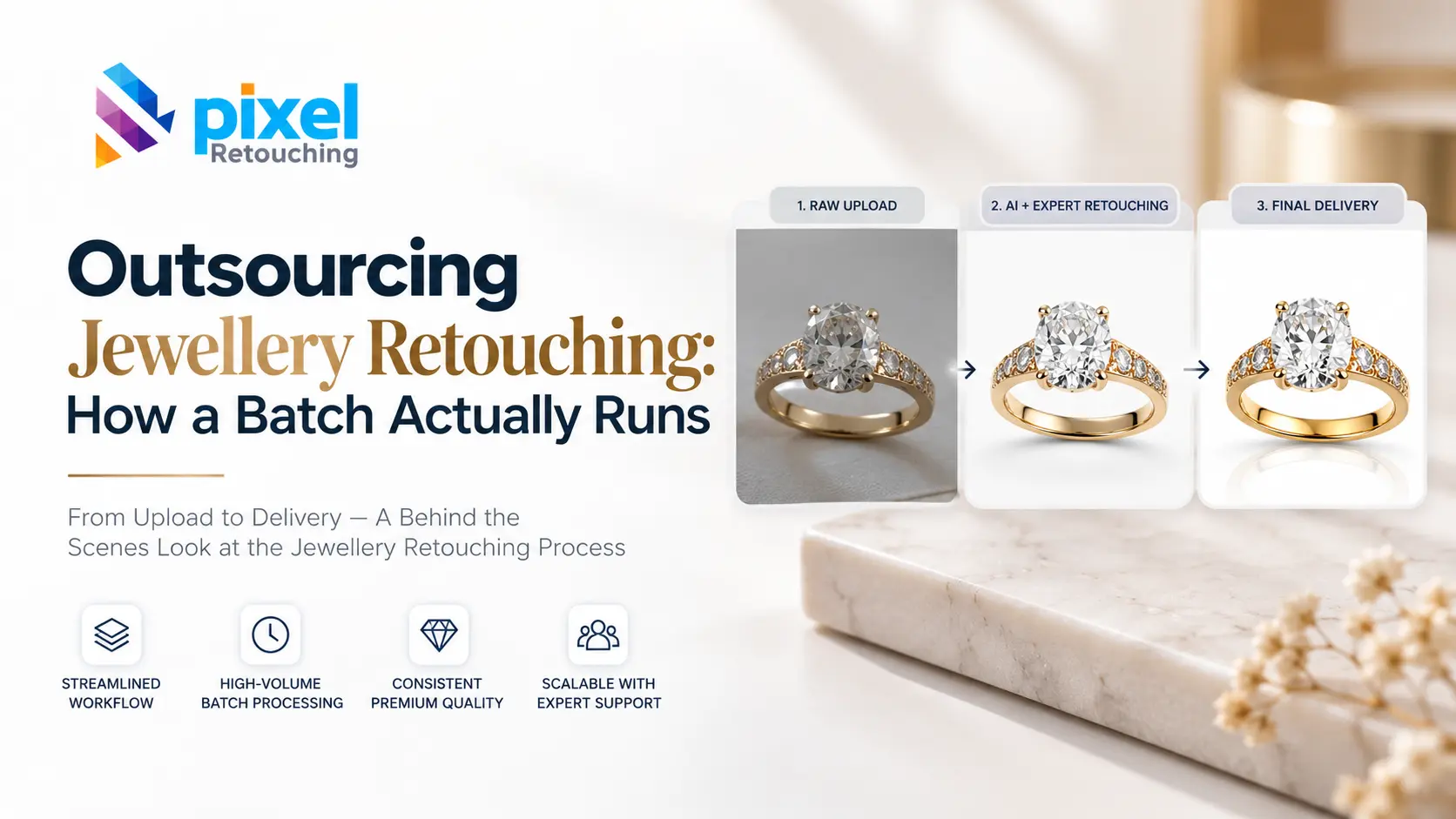
There is a point in every jewellery business where editing stops being something you fit around the day and starts being the thing eating it. Usually it arrives with a collection: forty new pieces, three shots each, and the realisation that macro dust removal at eleven at night is not what the business is for.
This is what happens when you hand that work to somebody else — not the sales pitch, but the mechanics. What you send, what comes back, what it costs, what goes wrong, and how to run the first batch so you find out cheaply rather than expensively.
The images here are not AI output. Every before and after is real client work retouched by hand at Pixel Retouching, shown so you can see what the process produces rather than a description of it.
When outsourcing starts to make sense
Not a sales answer: there is a genuine threshold, and below it doing your own editing is the right call.
Keep it in house while you are shooting a handful of pieces a month, the work is cleaning and a cut-out, and you enjoy it. Learning to retouch your own jewellery teaches you things about your lighting that nothing else will.
It stops making sense when any of these is true:
- Editing is delaying listings. A piece finished and unlisted earns nothing.
- Your catalogue has drifted — the metal reads differently across the grid because the edits happened over months.
- You are spending your best hours on dust rather than on design, buying or selling.
- A stone or a hallmark has come out wrong on a live listing.
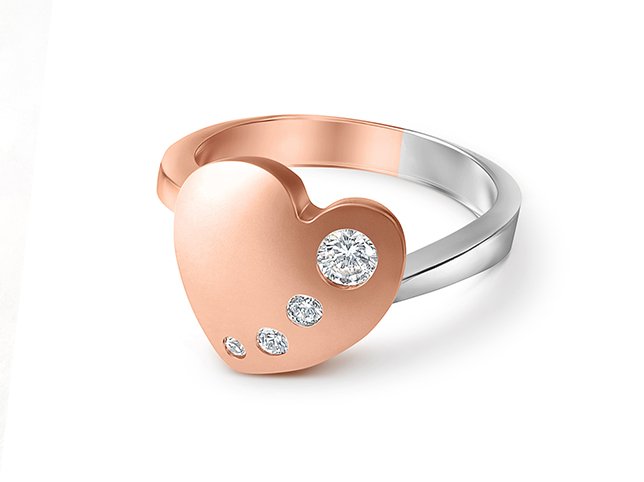
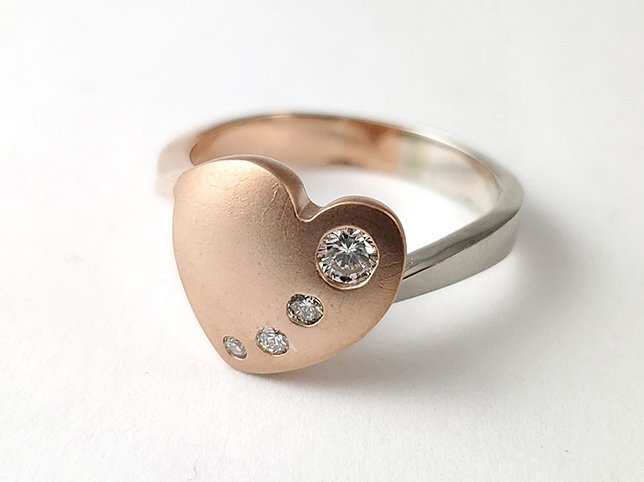
Before
After
Jewellery retouching, outsourced. Drag to compare.
What you actually send
The single thing that separates a smooth first batch from a frustrating one is the brief, and it takes about ten minutes to write once.
Files. RAW if you have it, otherwise the largest JPEG straight from the camera — not a version you have already edited, and not something resized for a listing. If you shot for focus stacking, send every frame rather than the merged file.
A spec sheet. One page, written once, reused for every batch afterwards:
- Background: pure white at RGB 255, or a named alternative
- Shadow treatment: reflection, contact shadow, or none — pick one for the whole catalogue
- Framing: how much of the frame the piece fills, and the aspect ratio
- Metal: which golds you sell, and that they must not drift into each other
- Output: file format, pixel dimensions, colour profile, naming convention
A reference image. One finished shot you are happy with beats a paragraph describing one. If you do not have one yet, that is what a test batch is for.
Your SKU mapping. Whatever links a file name to a product in your system. Getting forty images back named correctly is worth more than it sounds.
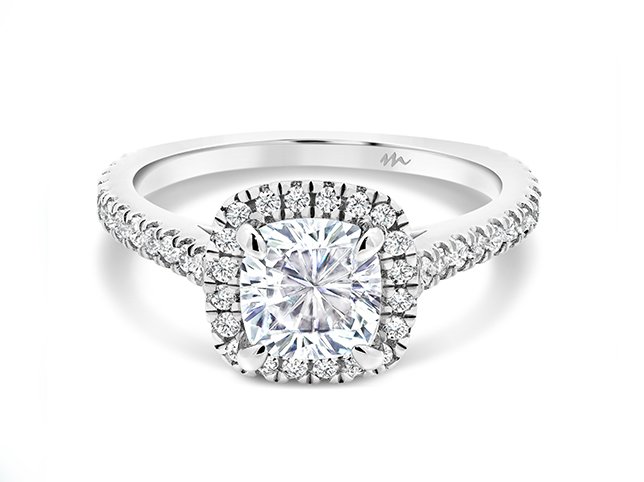
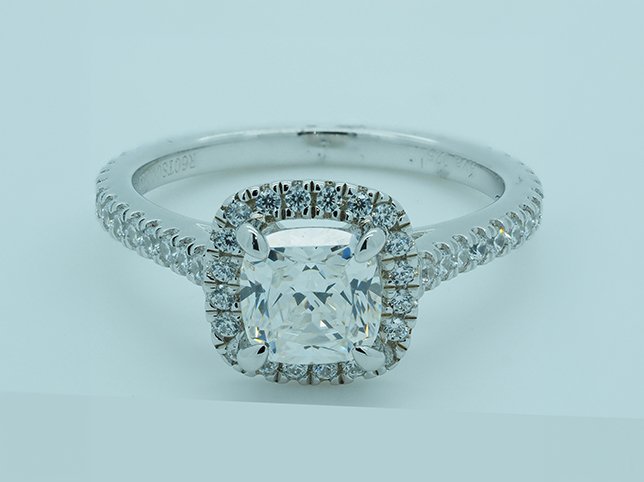
Before
After
Colour correction on jewellery. The spec sheet is what stops this drifting across a batch.
How a batch actually runs
Most studios, ours included, work roughly like this. Knowing the shape of it makes the first one much less anxious.
1. A test on a few images. Never start with the catalogue. Send three to five pieces including your hardest one, agree the result, and let that become the reference for everything after.
2. The spec is locked. The agreed test becomes the written standard. This is the step people skip and then wonder why batch three does not match batch one.
3. First pass. An editor works the batch against the spec.
4. A second pair of eyes. A quality check by somebody who did not do the editing. On a catalogue this matters more than the editing itself, because it is what catches drift.
5. Delivery, then revisions. You review against the spec rather than against taste. A revision is ‘this does not match what we agreed’; a new instruction is ‘I have changed my mind’, and the difference is worth being clear about on both sides.
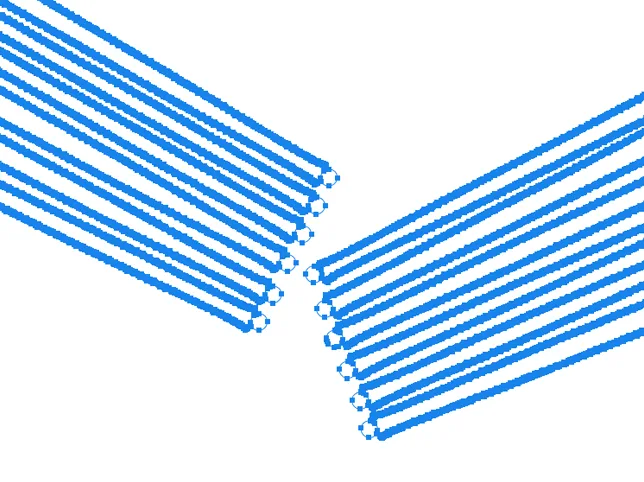
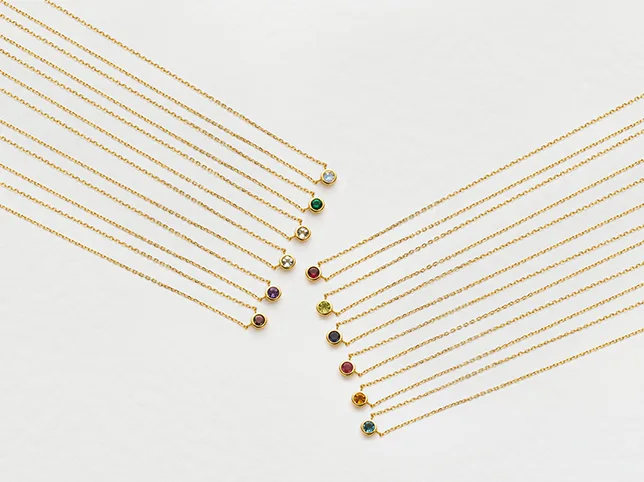
Before
After
Cut-outs at volume. This is the part that benefits most from being handed over.
What it costs, and what moves the number
Jewellery is priced per image and by complexity, not by the value of the piece — a plain band is a plain band whether it is nine carat or platinum.
Cheaper: a single piece, clean background, no stones, no focus stacking, and volume. Past a hundred images most studios drop the rate, ours by up to half.
More expensive: multiple stones, fine chains, filigree, focus stacking from several exposures, multi-item compositions, colour variants built from one shoot, and anything urgent.
Our own rates are on the price list, and there is a fuller breakdown of the category in jewellery photo editing costs. The number worth calculating on your side is your own hourly rate against the per-image price. Most jewellery sellers find the arithmetic decides it without much debate.
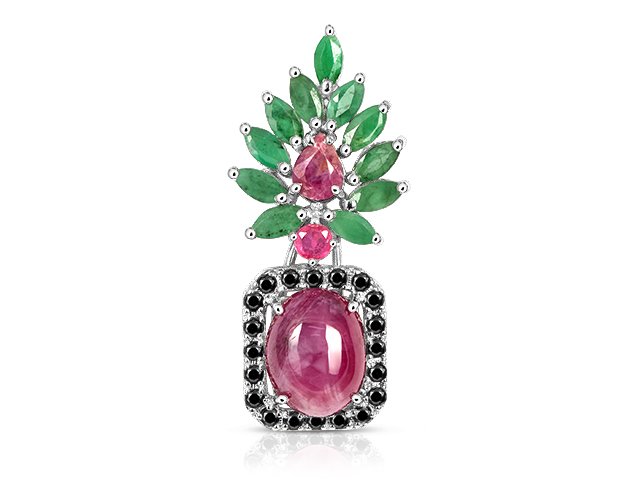
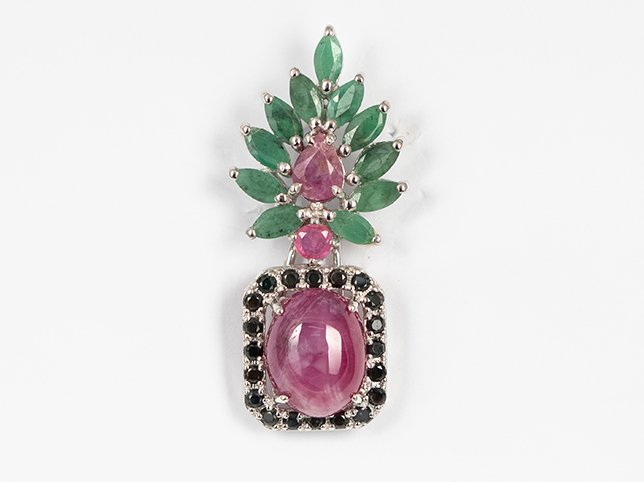
Before
After
Shadow creation. Consistency across a set is the part that is genuinely hard to do alone.
What goes wrong, and how to stop it
Four failures account for almost everything we see when a client arrives after a bad experience elsewhere.
No spec, so no agreement. Without a written standard, every revision is an argument about taste. Write the sheet.
Starting with the whole catalogue. If the first thing you send is four hundred images, you find out about the mismatch four hundred images later.
Softening instead of cleaning. The fastest way to remove dust is to blur, and it takes the facet edges with it. Check one macro shot at 100 percent in every batch — not all of them, just one.
Metal drift. Rose gold arriving slightly copper, or white gold slightly grey. Name the metals you sell in the spec and check them against a piece you have in your hand, not against the previous photograph.
Choosing who to send it to
The three questions that tell you most, quickly:
- Will you test on my worst image? Not the best one. A polished hero proves nothing.
- Who holds the spec across a batch, and who checks it? If the answer is ‘the editor’, there is no quality step.
- What happens to my files afterwards? Unreleased collections matter. Retention policy, and whether they will sign your NDA.
We have compared ten studios including ourselves, with who each suits, in jewellery retouching services compared. Our own jewellery work is on the jewellery retouching service page, and the wider outsource photo editing service covers the same process for the rest of a catalogue.
Frequently asked questions
Is it worth outsourcing jewellery retouching for a small shop?
It depends on volume rather than size. Below roughly twenty images a month, doing it yourself is usually the better use of money. Above that, the arithmetic of your own hourly rate against a per-image price tends to answer it.
What files should I send for jewellery retouching?
RAW where you have it, otherwise the largest unedited JPEG from the camera. Send every frame if you shot for focus stacking. Do not send a file you have already edited, because the retoucher then has to work around your decisions as well as the photograph.
How long does an outsourced jewellery batch take?
Twenty-four hours is standard for normal volumes. Focus stacking, multi-item compositions and large catalogues take longer, and you should be told before the work starts rather than after.
How do I keep a whole catalogue consistent?
A written spec sheet plus a quality check by someone who did not do the editing. Those two things, in that order, are what stop image four hundred drifting away from image one.
Can I outsource just the clipping paths and do the rest myself?
Yes, and for some shops it is the right split — hand over the mechanical cut-out work and keep the stone and metal decisions. Say so in the brief; it is a normal request.
What about confidentiality on unreleased collections?
Ask for it in writing. Any studio used to working with jewellery brands will sign your NDA without discussion, and should be able to tell you how long they keep your files.
Test it on a batch that matters
The cheapest way to find out whether outsourcing suits you is to send the pieces you have been putting off. Three images through the free trial, edited by hand, back within 24 hours. No card. Send your hardest piece rather than your prettiest — it is the only test that tells you anything.