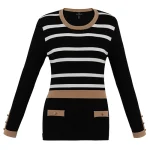
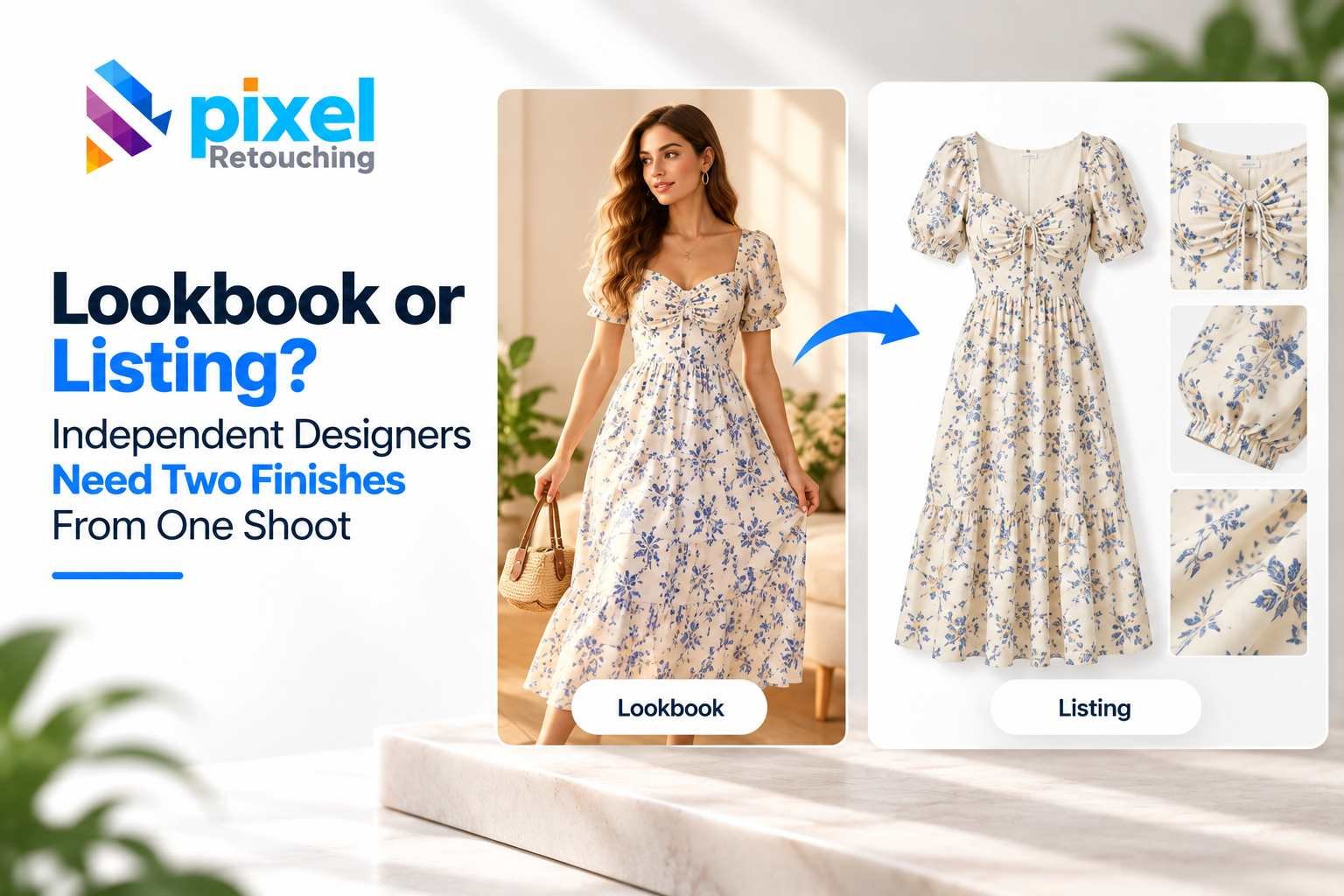
An independent designer shoots once and needs the images to do two incompatible jobs. The lookbook has to make somebody want the collection. The listing has to make somebody able to buy one piece from it.
Trying to satisfy both with one finish is why so many designer sites have beautiful imagery that does not sell.
The images here are not AI output. Every before and after is real client work retouched by hand at Pixel Retouching. Drag the handle on any of them to see what is being described.
Why do lookbook and ecommerce images need different finishes?
Because they are answering different questions. A lookbook image sells a mood: the grade can be warm, the background can be anything, the model can be mid-movement. An ecommerce image sells a garment: the colour must be true, the background must match every other listing, and the garment must be legible.
One shoot can produce both, but not one edit. The same frame needs finishing twice, and it is cheaper to plan that than to discover it.
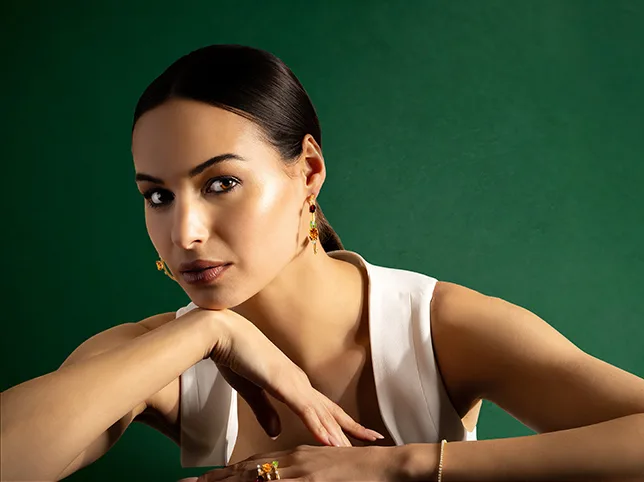
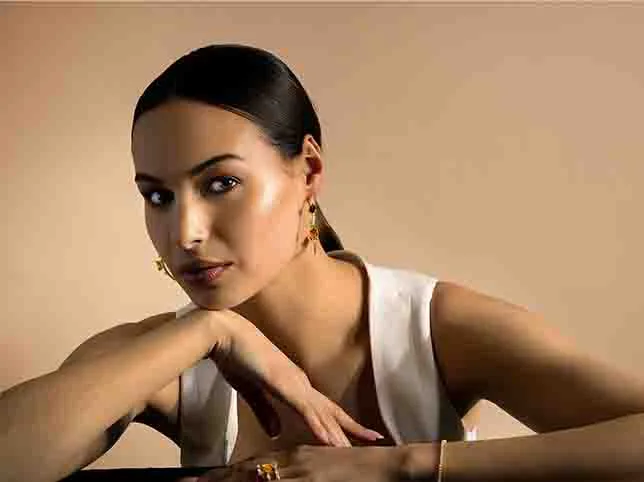
Before
After
The lookbook finish: mood first. Drag to compare.

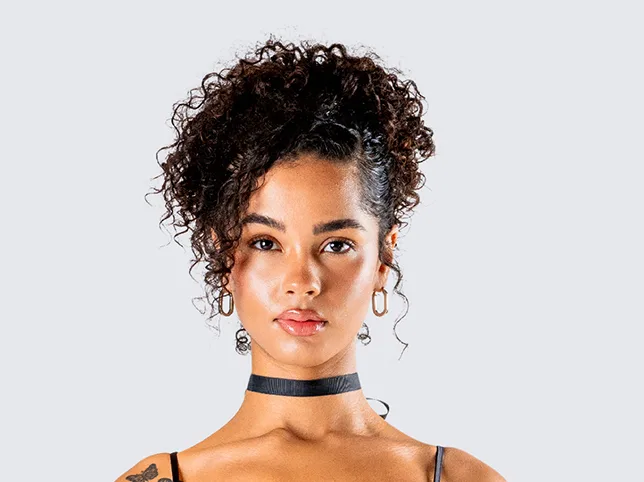
Before
After
The listing finish: garment first. Drag to compare.
What does a sample need that a production piece does not?
Independent designers photograph samples, and samples are not finished goods. They carry pins, chalk, pressing marks, an unfinished hem, a button that is standing in for the real one.
Cleaning those is legitimate — you are showing the garment as it will be made, not as the sample happens to be. What is not legitimate is changing the cut, the length or the fit, because that is a different garment from the one that will ship.

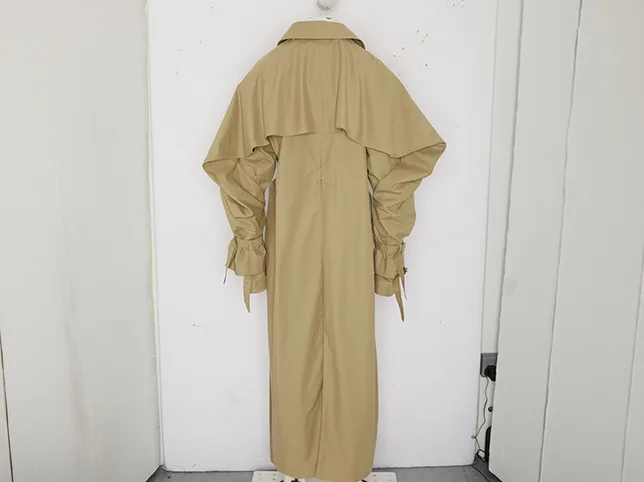
Before
After
Sample marks cleaned; the cut untouched. Drag to compare.
Can you show colourways before you have sampled them?
Yes, and for a small label this is one of the few genuine shortcuts. A single photographed garment can be recoloured into the full range, which lets you test demand before committing fabric — a decision that otherwise costs thousands.

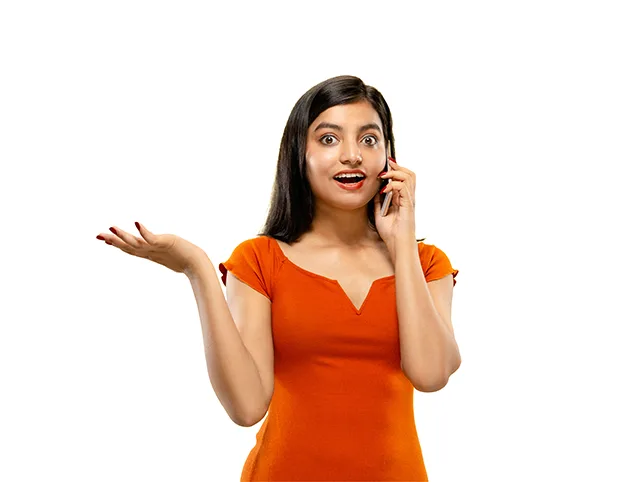
Before
After
Three colourways from one sample. Drag to compare.
The condition is the same as everywhere: the recolour must match the fabric you will actually produce. Recolouring to a shade the mill cannot hit is a pre-order you will have to refund. Colour change keeps the drape and shadow of the original while changing hue.
How do you keep the garment’s shape without a body in it?
Structured pieces — tailoring, knitwear, anything with a defined shoulder — collapse when laid flat and look wrong. The ghost mannequin technique keeps the three-dimensional shape and removes the form, which for a designer matters more than for a reseller: the shape is the design.
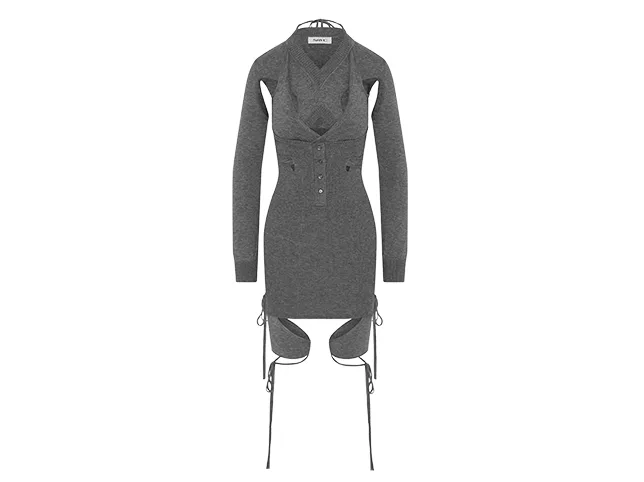
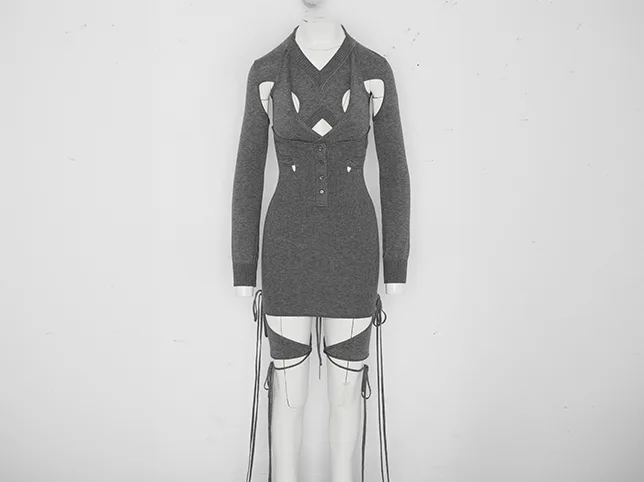
Before
After
Shape kept, mannequin gone. Drag to compare.
What should you brief when you send a shoot out?
Two specs, not one. Say which frames are lookbook and which are listings, and give each its own background, grade and crop. Send one approved reference image per finish — it settles more than any written description, because it turns a description into a file to match.
How do you plan a shoot that produces both?
The saving is in the planning, not the editing. Decide before the day which frames are which, because the two finishes want different things from the same set-up:
- Shoot the listing frames on a clean, even background – they are going to be cut out anyway, and a busy backdrop makes that slower and more expensive.
- Shoot them square-on and still. Movement is lookbook language; a listing needs the garment legible.
- Get every garment on the same mark, at the same height in frame, so the set is consistent before any editing happens.
- Then shoot the lookbook frames freely. Different location, different light, movement – none of it has to match, because those images are never going in a grid together.
A designer who does this gets two coherent sets from one day. A designer who shoots everything creatively and hopes to standardise afterwards pays for the difference in retouching.
What does an independent label need that a large brand does not?
- Images that outlast the season. A large brand reshoots. A small label needs the same photographs working in eighteen months, which argues for restraint in the grade and the styling.
- To sell from a sample. Pre-orders and made-to-order mean the listing image is often the only version of the garment that exists.
- Range from fewer frames. One shoot has to yield listings, lookbook, social crops and a line sheet – which is an argument for keeping layered files rather than flat exports.
- Colour that a mill can hit. Nothing is more expensive than pre-orders for a shade that the production fabric does not match.
What goes wrong
- One finish for both uses. Usually the lookbook grade applied to listings, which makes every product page a slightly different colour.
- Flat exports only. The first social crop or banner then means re-editing rather than exporting.
- Sample flaws left in. Pins and chalk read as a poorly made garment rather than as a sample.
- Retouching the silhouette. For a designer this is worse than for a reseller: the silhouette is the thing being sold.
Try it on three of your own
Send three listing photographs — ideally the ones you are least happy with — and we will edit them free and tell you what was holding them back.
Start a free trial — 3 images edited free. No credit card and no account required. More on how a collection is handled is on photo editing for fashion designers.