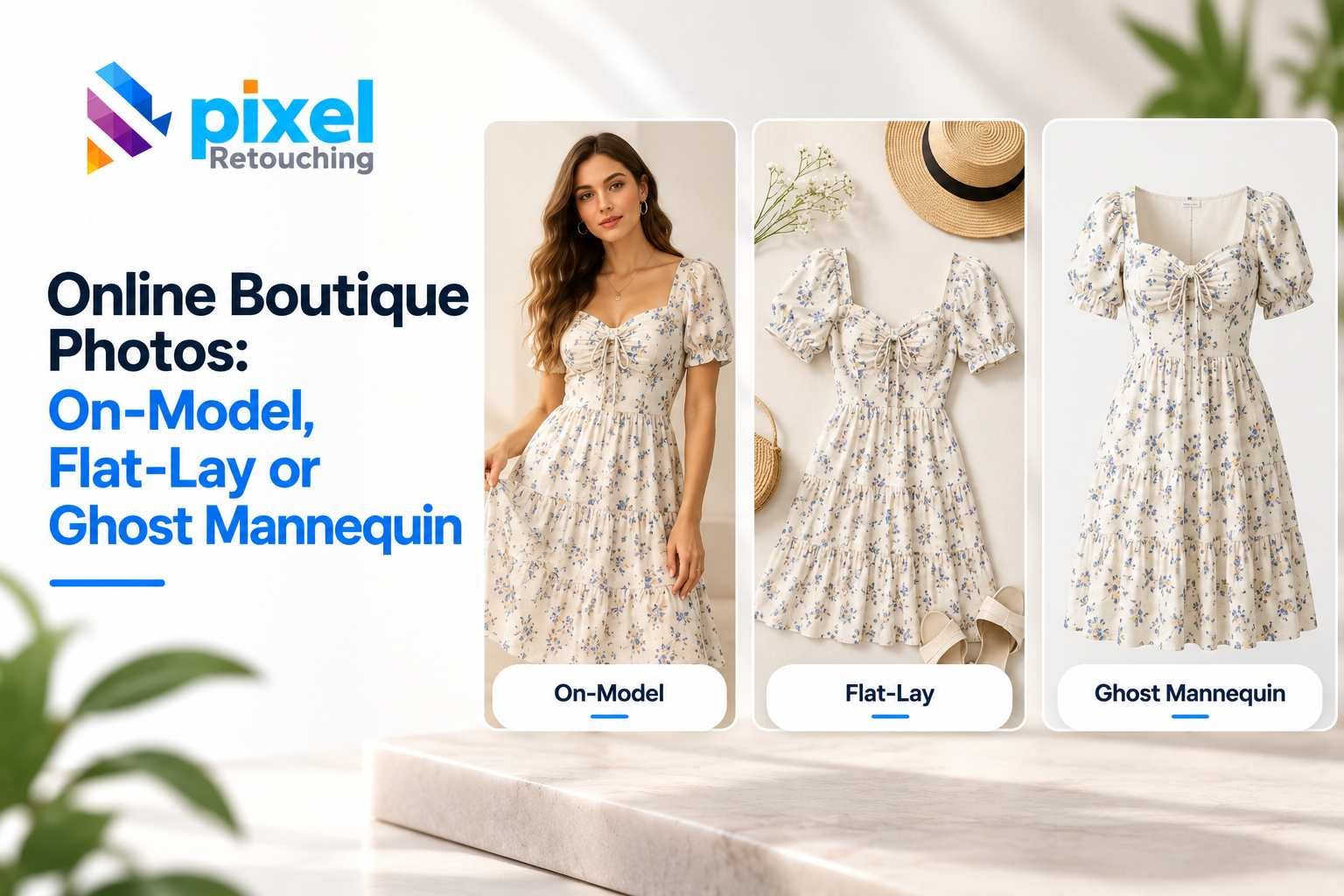
An online boutique sells clothes a customer cannot try on, from photographs that have to do the job of a fitting room. The first decision is not lighting or background. It is which of the three shots you are taking at all.
The images here are not AI output. Every before and after is real client work retouched by hand at Pixel Retouching. Drag the handle on any of them to see what is being described.
On-model, flat-lay or ghost mannequin: which should you use?
Each answers a different question, and the right listing usually contains more than one:
- On-model answers how does it hang and how does it fit. Best for anything whose drape matters — dresses, tailoring, anything cut on the bias.
- Ghost mannequin answers what is the shape of the garment itself, with no body to distract or date it. Best for the main catalogue image.
- Flat-lay answers what is the pattern, the colour and the detail. Cheapest to produce and weakest at fit.
If you can only afford one, ghost mannequin is the safest main image for a boutique, because it shows the garment’s real shape and stays current when styling trends move.
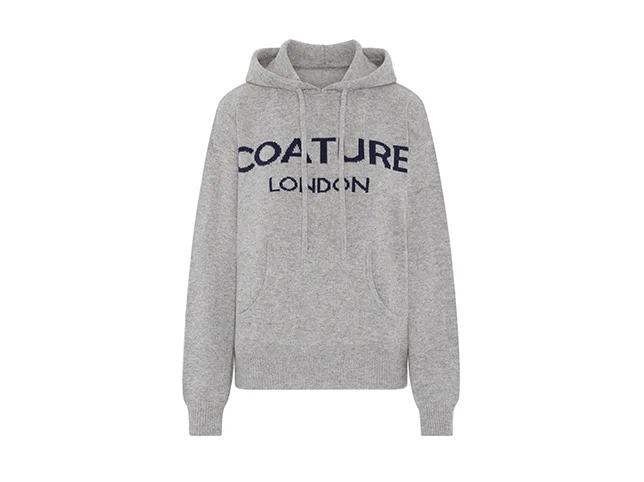
Before
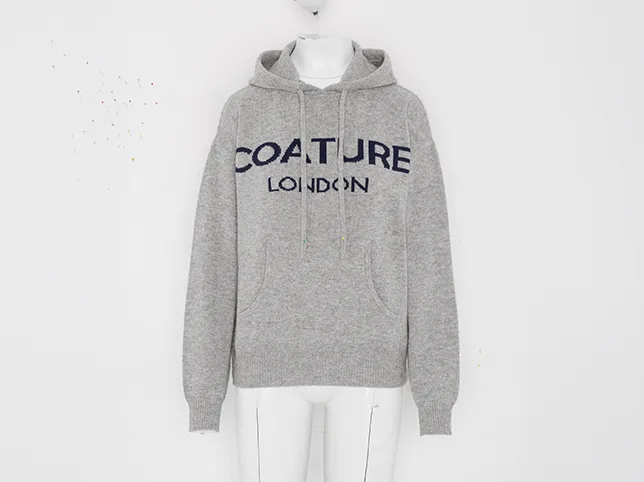
After
The garment’s own shape, with the mannequin gone. Drag to compare.
Why does on-model work need different editing?
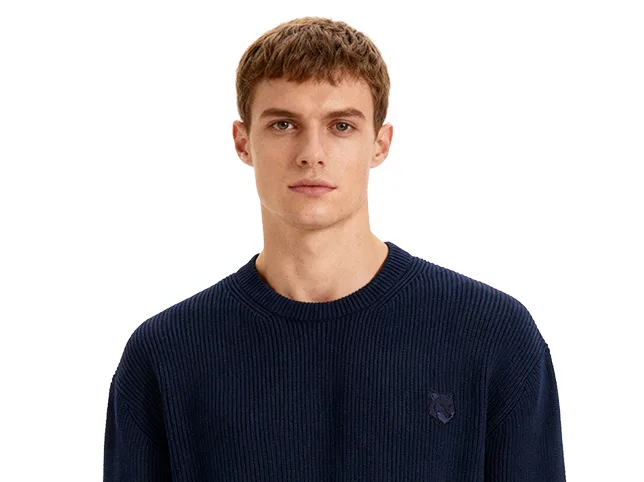
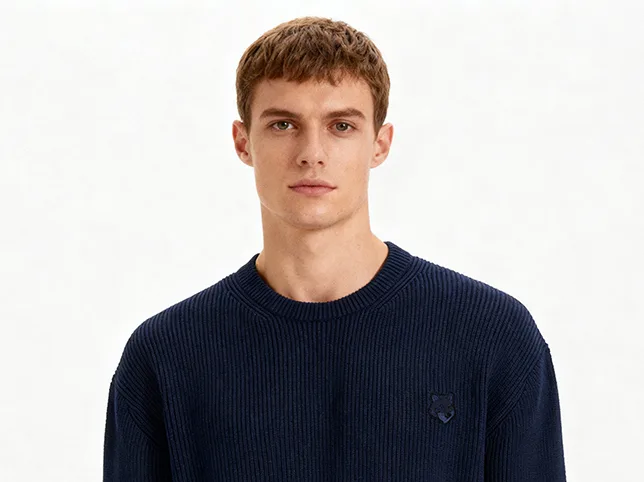
Because you are now editing a person as well as a product, and the two have different rules. The garment should be corrected — colour, creases from the rail, a twisted hem. The model should be left alone beyond the ordinary: stray hair, a distracting background, a lighting fix.
Where boutiques get into trouble is reshaping. Slimming a model or a garment misrepresents the fit, and fit is the single largest cause of clothing returns.
Before
After
On-model, cut cleanly without touching the fit. Drag to compare.
Does a boutique need a plain background?
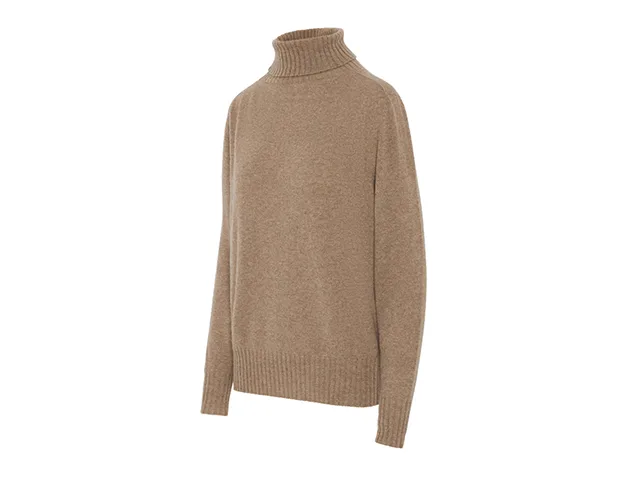
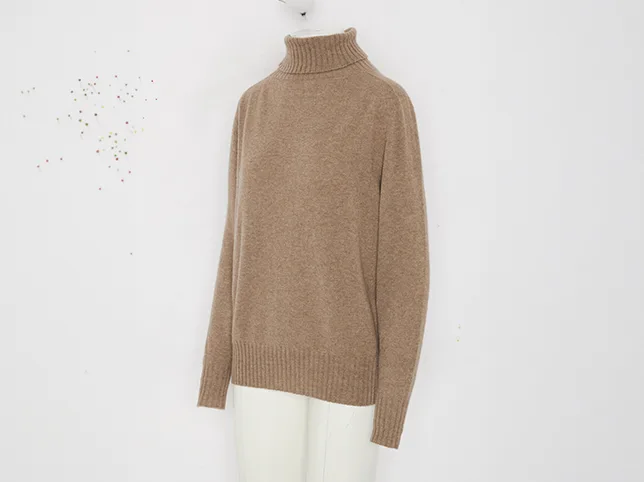
For the main image, almost always — it is what makes a collection page read as one shop rather than a series of holiday snaps. For the later slots, context is useful and a styled shot sells the piece.
The practical order is: clean main image for consistency, styled shots after it for desire, detail shots last for reassurance.
Before
After
A clean main image, whatever the later slots do. Drag to compare.
What has to be true about colour?
More than in almost any other category. Clothing is returned for colour and fit more than for quality, and a boutique carrying forty pieces photographed over several months will drift unless something holds it.
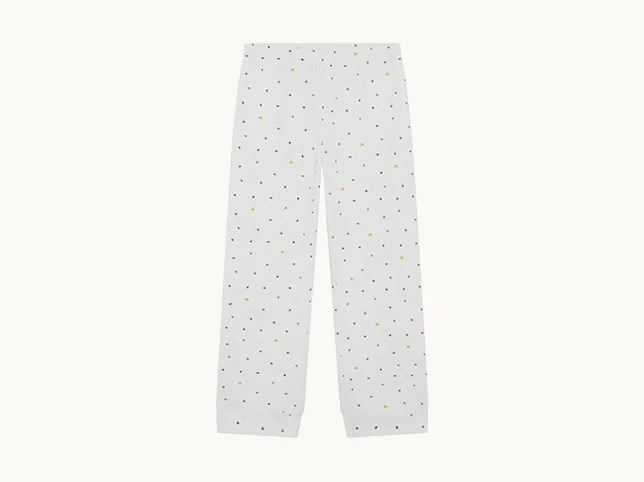
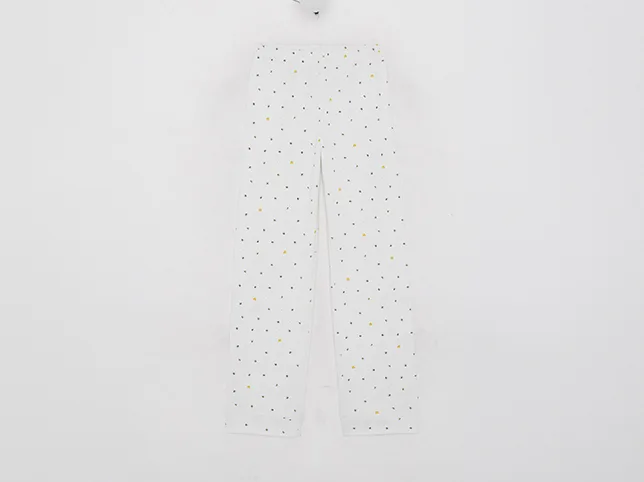
Correct each garment against the real thing, then match the set against one reference image rather than judging each photograph alone.
Before
After
Framed to the same rule as everything else. Drag to compare.
How many photographs does a garment need?
Five is a sensible minimum for a boutique: the clean main image, an on-model or styled shot, a back view, a fabric or detail close-up, and something that gives scale or shows the garment worn in context. Anything a customer would have checked in a fitting room is a photograph you are missing.
How do you keep forty garments looking like one boutique?
Clothing is the hardest category for consistency, because the products genuinely differ – a black dress and a cream knit cannot be lit identically and still both look right.
What holds a boutique together is not identical images but identical rules:
- One background for every main image, replaced rather than photographed.
- One garment height in frame, so hems and shoulders land at the same place across the grid.
- One shadow decision, used everywhere.
- One reference garment that the colour of everything else is matched against, rather than each piece corrected on its own.
The last is the one that saves a season. Correcting each garment to look good alone produces forty individually pleasant images that do not belong together.
What does a customer look for that you have not photographed?
Run this list against a listing before publishing it. Each of these is a question a fitting room would answer:
- How does the fabric move, and how heavy is it?
- What does the closure look like – zip, buttons, hook?
- Is it lined?
- Where does the hem fall on a real person?
- What does the back look like?
- Is the colour the same in daylight?
Most boutique listings answer two of those. Every one you do not answer is either a message to reply to or a return to process.
The mistakes that cost the most
- Retouching the fit. Slimming a garment or a model is the shortest route to a return, and clothing returns are already the highest of any category.
- Different models across the collection without saying so. A customer cannot judge fit if the height and size change between listings.
- Photographing straight from the rail. Steam the garment. No edit fully recovers a crease pattern that says “this was folded in a box”.
- Cropping the shoes off. On a full-length dress, the eye reads an incomplete silhouette as a mistake.
Try it on three of your own
Send three listing photographs — ideally the ones you are least happy with — and we will edit them free and tell you what was holding them back.
Start a free trial — 3 images edited free. No credit card and no account required. What a garment set involves is on online boutique photo editing, and the neck-joint work is ghost mannequin.