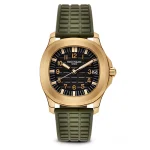

A reseller’s economics are the opposite of a brand’s. Every item is one of one, most are worth tens of dollars rather than hundreds, and the photography has to be finished tonight because the listing earns nothing until it is up.
Which means the question is never “what is the best possible image”. It is “what is the most that is worth doing in the time available”.
The images here are not AI output. Every before and after is real client work retouched by hand at Pixel Retouching. Drag the handle on any of them to see what is being described.
How much editing is worth it on a resale listing?
Four things, in this order, and they cover almost everything: remove the room, correct the colour, straighten and crop, recover the exposure. Beyond those, effort stops paying on a single-item listing.
The reason to do them at all is that a Poshmark closet is browsed as a grid. A closet where every item is framed the same way and lit the same way reads as a seller who knows what they are doing, which is most of what a buyer has to go on.
Why does the background matter more than the photograph?
Because resale photography happens at home, and home is visible. A hanger on a door, a radiator, a patterned duvet, a corner of a room — every one of those says “somebody’s bedroom” rather than “a shop”.
Removing it is the single highest-return edit in resale, and it is also the cheapest: background removal from $0.39.


Before
After
Room removed. The largest single improvement available. Drag to compare.
Why is colour the thing that causes returns?
Indoor light is rarely neutral, and the item is usually being described from memory by the time it is listed. A brown shoe photographed under a warm bulb arrives looking like a different shoe, and on resale there is no second unit to send.
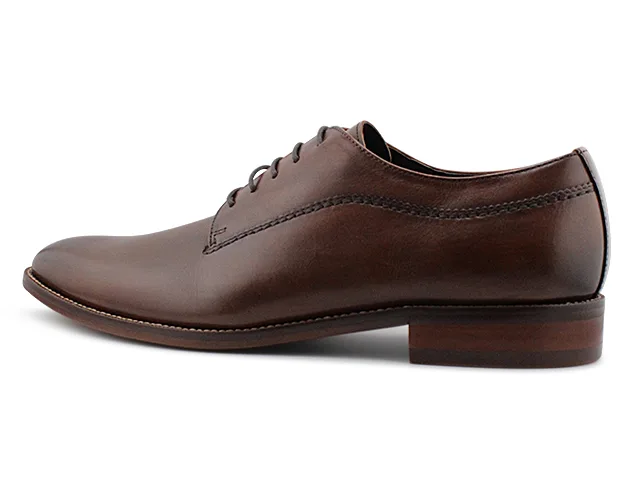
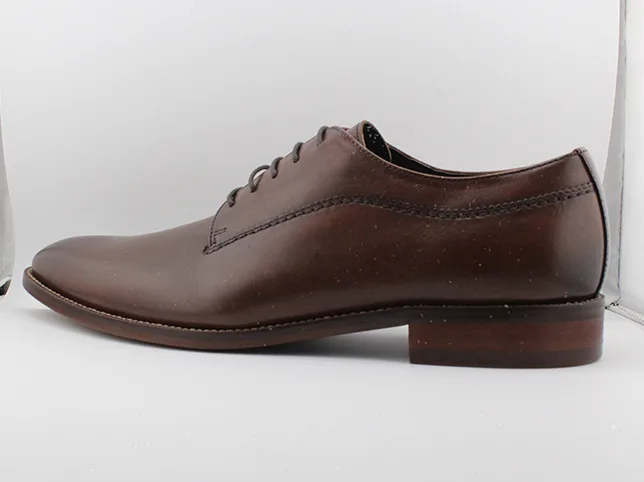
Before
After
Corrected to the colour the buyer will receive. Drag to compare.
What does exposure recovery buy you?
On anything reflective — sequins, patent leather, satin, metal hardware — a phone camera meters for the room and blows out the item. The detail is usually still in the file and simply needs bringing back.

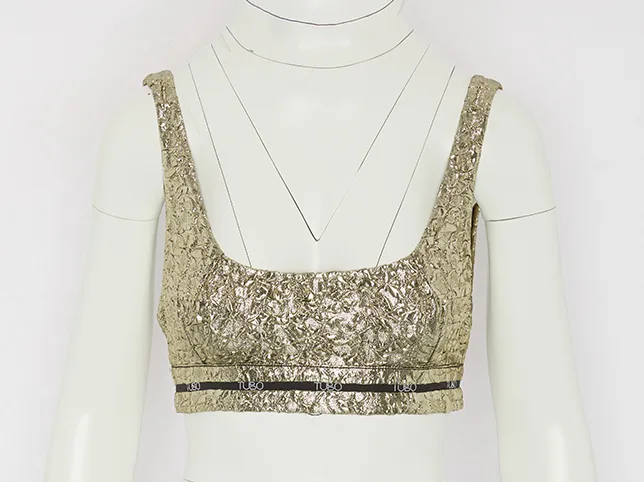
Before
After
Detail recovered from a blown highlight. Drag to compare.
Why straighten and crop at all?
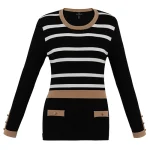
Because the closet grid crops your photographs whether you like it or not, and an item that is off-centre or two degrees off vertical looks accidental. It is a small edit that changes how the whole closet reads.


Before
After
Squared for a grid that will crop it anyway. Drag to compare.
How do you do this at resale speed?
In batches, not per item. Photograph a week’s listings in one session, in one spot, under one light, then edit them together to one standard. The setup is the expensive part; done once for twenty items it is negligible, done twenty times it is your evening.
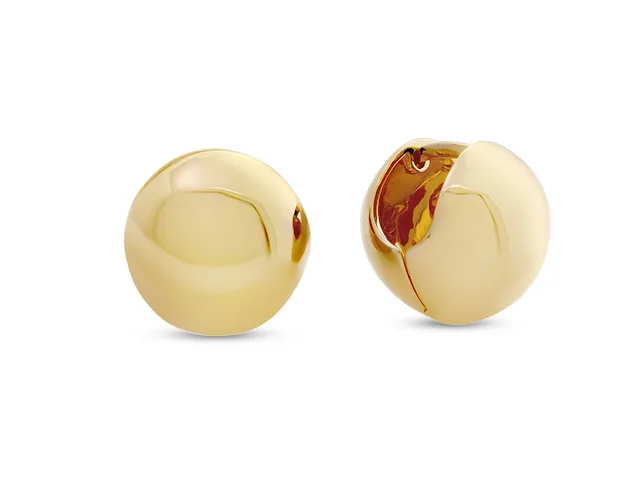
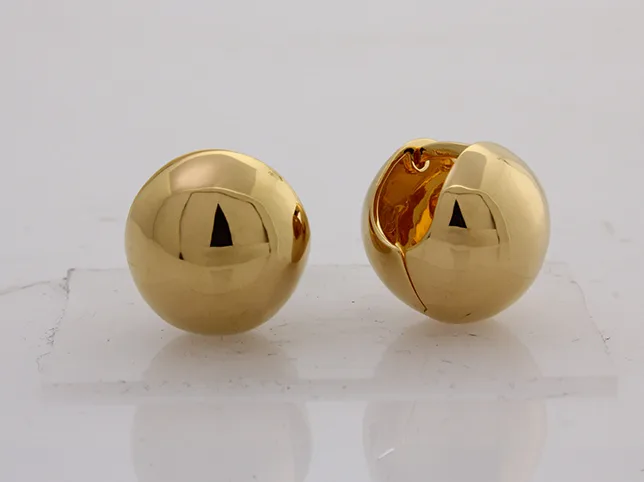
Before
After
Finished as one of a batch, to one standard. Drag to compare.
How do you set up so the editing is almost unnecessary?
The cheapest edit is the one you did not have to make. Twenty minutes of setup removes most of the work permanently:
- One spot, by a window, not in direct sun. Indirect daylight is flattering, free and consistent.
- One backdrop. A roll of white paper, a plain wall, a sheet on a board – anything, provided it is always the same one.
- One distance and one height. Mark the floor. This is what makes crops match without thinking about it.
- Shoot slightly under-exposed on anything shiny. Recovering a shadow is easy; recovering a blown highlight often is not.
- Turn off any overhead light so you have one light source rather than two colours of light.
After that, most listings need a crop and nothing else.
What does a resale listing need to show?
- Front, full item, clean background.
- Back.
- Brand and size label. This is the proof of what you are claiming and prevents most questions.
- Material or care label, particularly for anything sold as leather, silk, cashmere or wool.
- Any flaw, close and in focus, with scale.
- Worn or styled, if you can – it consistently outperforms flat-lay on resale platforms.
Photograph the labels even when the description repeats them. Buyers on resale platforms are checking for authenticity as much as condition, and a clear label photograph answers that before anyone has to ask.
The mistakes that slow a closet down
- Editing one listing at a time, which multiplies the setup cost by the number of items.
- Mixed backgrounds, which is what makes a closet look like a pile rather than a shop.
- Filters. They shift colour, and colour is what gets resale items returned.
- Cropping too tight. Platform grids crop again; leave margin.
- Using the brand’s stock photo. Beyond the accuracy problem, eBay explicitly prohibits it on used items and other platforms take a similar view.
Try it on three of your own
Send three listing photographs — ideally the ones you are least happy with — and we will edit them free and tell you what was holding them back.
Start a free trial — 3 images edited free. No credit card and no account required. How a closet batch is handled is on Poshmark photo editing.